
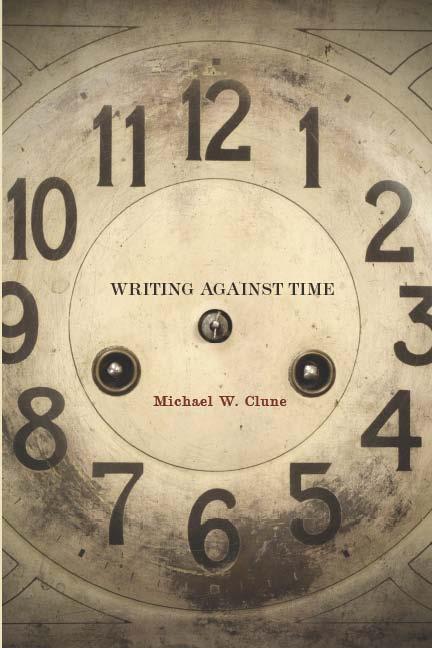
For centuries, a central goal of art has been to make us see the world with new eyes. Thinkers from Edmund Burke to Elaine Scarry have understood this effort as the attempt to create new forms. But as anyone who has ever worn out a song by repeated listening knows, artistic form is hardly immune to sensation-killing habit. Some of our most ambitious writers—Keats, Proust, Nabokov, Ashbery—have been obsessed by this problem. Attempting to create an image that never gets old, they experiment with virtual, ideal forms. Poems and novels become workshops, as fragments of the real world are scrutinized for insights and the shape of an ideal artwork is pieced together. These writers, voracious in their appetite for any knowledge that will further their goal, find help in unlikely places. The logic of totalitarian regimes, the phenomenology of music, the pathology of addiction, and global commodity exchange furnish them with tools and models for arresting neurobiological time. Reading central works of the past two centuries in light of their shared ambition, Clune produces a revisionary understanding of some of our most important literature.
Paga fácilmente con tarjeta, Klarna, Apple Pay o Google Pay. ¿No estás contento? Siempre tienes 14 días de garantía de devolución. Lee más en nuestros términos. Si tienes preguntas, escríbenos a hello@memmo.org.
Memmo hace que estudiar sea más fácil, estés donde estés. Aquí tienes tus libros de texto y herramientas de estudio inteligentes en un solo lugar: resúmenes, quizzes, podcasts y flashcards. Y también a Ted, tu compañero de estudio que responde a todo lo que te preguntes. Más de 50 000 estudiantes ya estudian aquí. Está hecho para que aprendas más rápido y te estreses menos.