
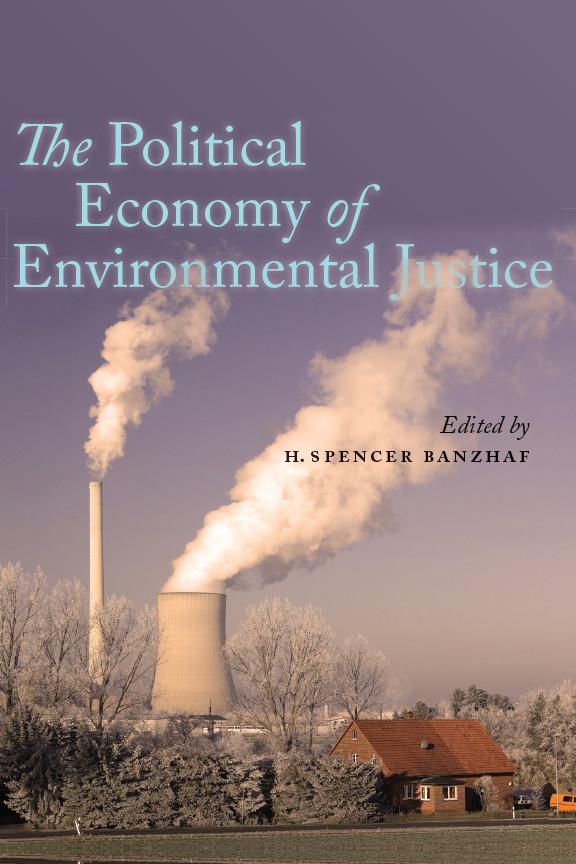
The environmental justice literature convincingly shows that poor people and minorities live in more polluted neighborhoods than do other groups. These findings have sparked a broad activist movement, numerous local lawsuits, and several federal policy reforms.
Despite the importance of environmental justice, the topic has received little attention from economists. And yet, economists have much to contribute, as several explanations for the correlation between pollution and marginalized citizens rely on market mechanisms. Understanding the role of these mechanisms is crucial to designing policy remedies, for each lends itself to a different interpretation to the locus of injustices. Moreover, the different mechanisms have varied implications for the efficacy of policy responses—and who gains and loses from them.
In the first book-length examination of environmental justice from the perspective of economics, a cast of top contributors evaluates why underprivileged citizens are overexposed to toxic environments and what policy can do to help. While the text engages economic methods, it is written for an interdisciplinary audience.
Paga fácilmente con tarjeta, Klarna, Apple Pay o Google Pay. ¿No estás contento? Siempre tienes 14 días de garantía de devolución. Lee más en nuestros términos. Si tienes preguntas, escríbenos a hello@memmo.org.
Memmo hace que estudiar sea más fácil, estés donde estés. Aquí tienes tus libros de texto y herramientas de estudio inteligentes en un solo lugar: resúmenes, quizzes, podcasts y flashcards. Y también a Ted, tu compañero de estudio que responde a todo lo que te preguntes. Más de 50 000 estudiantes ya estudian aquí. Está hecho para que aprendas más rápido y te estreses menos.