
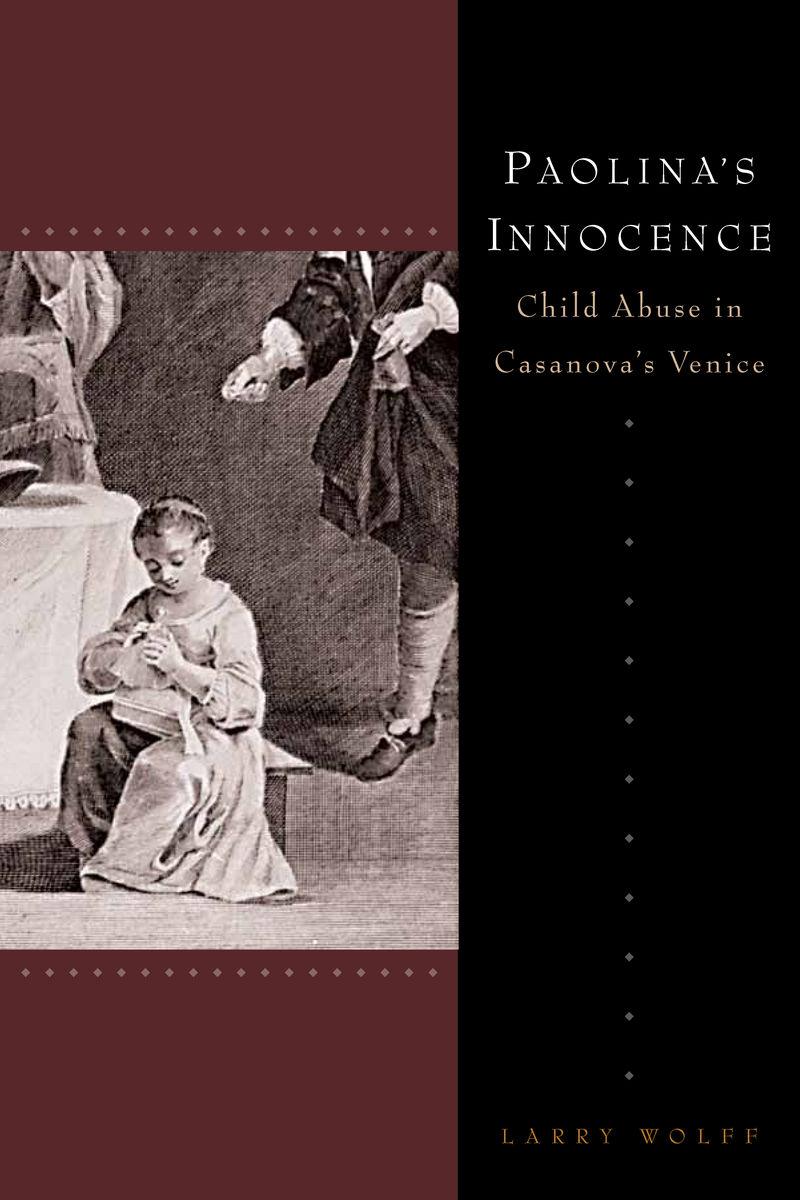
In the summer of 1785, in the city of Venice, a wealthy 60-year-old man was arrested and accused of a scandalous offense: having sexual relations with the 8-year-old daughter of an impoverished laundress. Although the sexual abuse of children was probably not uncommon in early modern Europe, it is largely undocumented, and the concept of "child abuse" did not yet exist. The case of Paolina Lozaro and Gaetano Franceschini came before Venice's unusual blasphemy tribunal, the Bestemmia, which heard testimony from an entire neighborhood—from the parish priest to the madam of the local brothel.
Paolina's Innocence considers Franceschini's conduct in the context of the libertinism of Casanova and also employs other prominent contemporaries—Jean-Jacques Rousseau, Carlo Goldoni, Lorenzo Da Ponte, Cesare Beccaria, and the Marquis de Sade—as points of reference for understanding the case and broader issues of libertinism, sexual crime, childhood, and child abuse in the 18th century.
Paga fácilmente con tarjeta, Klarna, Apple Pay o Google Pay. ¿No estás contento? Siempre tienes 14 días de garantía de devolución. Lee más en nuestros términos. Si tienes preguntas, escríbenos a hello@memmo.org.
Memmo hace que estudiar sea más fácil, estés donde estés. Aquí tienes tus libros de texto y herramientas de estudio inteligentes en un solo lugar: resúmenes, quizzes, podcasts y flashcards. Y también a Ted, tu compañero de estudio que responde a todo lo que te preguntes. Más de 50 000 estudiantes ya estudian aquí. Está hecho para que aprendas más rápido y te estreses menos.