
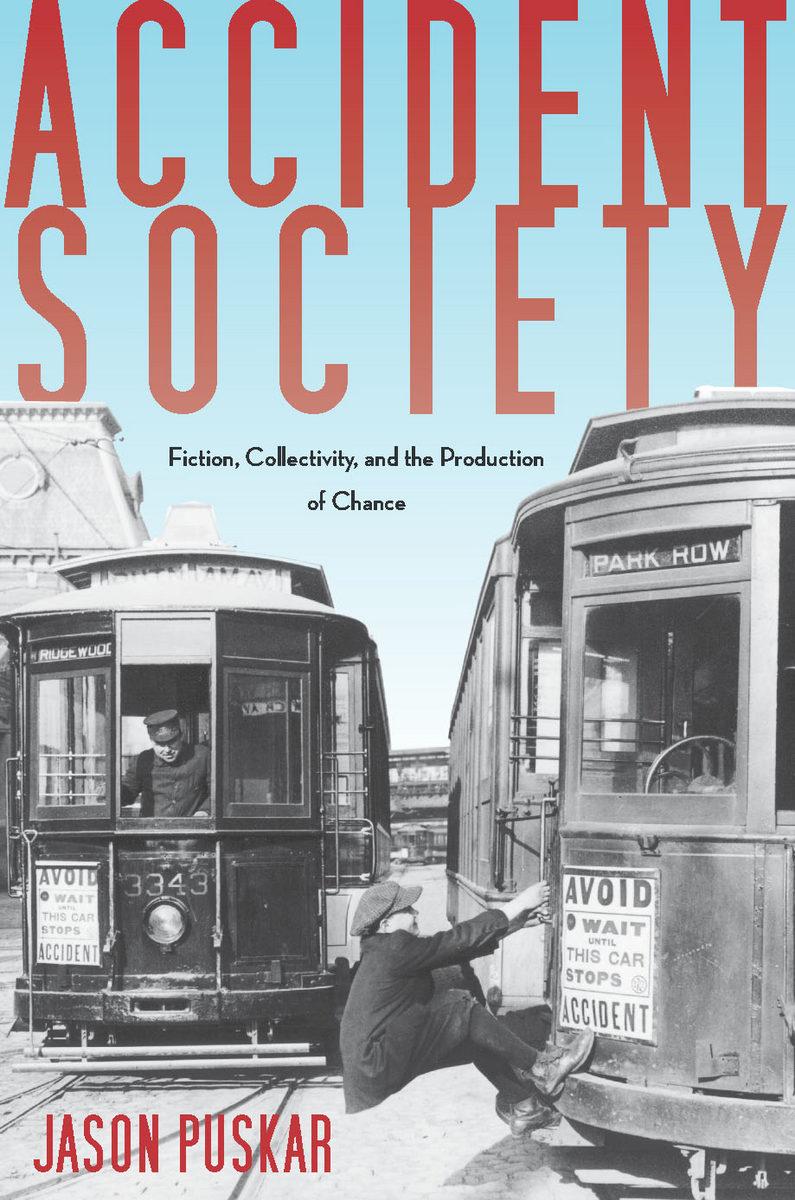
This book argues that language and literature actively produced chance in the late nineteenth and early twentieth centuries by categorizing injuries and losses as innocent of design. Automobile collisions and occupational injuries became "car accidents" and "industrial accidents." During the post-Civil War period of racial, ethnic, and class-based hostility, chance was an abstract enemy against which society might unite. By producing chance, novels by William Dean Howells, Stephen Crane, Anna Katharine Green, Edith Wharton, Theodore Dreiser, and James Cain documented and helped establish new modes of collective interdependence. Chance here is connected not with the competitive individualism of the Gilded Age, but with important progressive and social democratic reforms, including developments in insurance, which had long employed accident narratives to shape its own "mutual society." Accident Society reveals the extent to which American collectivity has depended—and continues to depend—on the literary production of chance.
Paga fácilmente con tarjeta, Klarna, Apple Pay o Google Pay. ¿No estás contento? Siempre tienes 14 días de garantía de devolución. Lee más en nuestros términos. Si tienes preguntas, escríbenos a hello@memmo.org.
Memmo hace que estudiar sea más fácil, estés donde estés. Aquí tienes tus libros de texto y herramientas de estudio inteligentes en un solo lugar: resúmenes, quizzes, podcasts y flashcards. Y también a Ted, tu compañero de estudio que responde a todo lo que te preguntes. Más de 50 000 estudiantes ya estudian aquí. Está hecho para que aprendas más rápido y te estreses menos.