
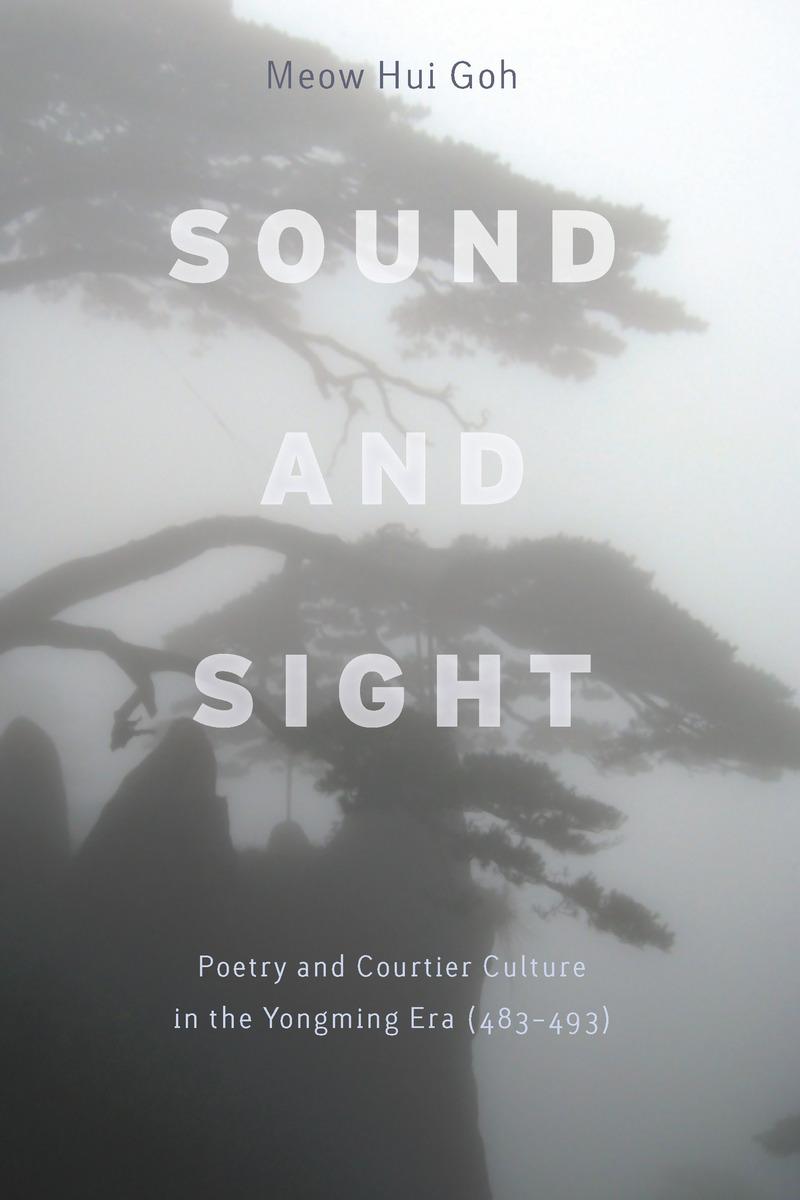
This is the first book to examine Chinese poetry and courtier culture using the concept of shengse—sound and sight—which connotes "sensual pleasure." Under the moral and political imperative to avoid or even eliminate representations of sense perception, premodern Chinese commentators treated overt displays of artistry with great suspicion, and their influence is still alive in modern and contemporary constructions of literary and cultural history.
The Yongming poets, who openly extolled "sound and rhymes," have been deemed the main instigators of a poetic trend toward the sensual. Situating them within the court milieu of their day, Meow Hui Goh asks a simple question: What did shengse mean to the Yongming poets? By unraveling the aural and visual experiences encapsulated in their poems, she argues that their pursuit of "sound and sight" reveals a complex confluence of Buddhist influence, Confucian value, and new sociopolitical conditions. Her study challenges the old perception of the Yongming poets and the common practice of reading classical Chinese poems for semantic meaning only.
Paga fácilmente con tarjeta, Klarna, Apple Pay o Google Pay. ¿No estás contento? Siempre tienes 14 días de garantía de devolución. Lee más en nuestros términos. Si tienes preguntas, escríbenos a hello@memmo.org.
Memmo hace que estudiar sea más fácil, estés donde estés. Aquí tienes tus libros de texto y herramientas de estudio inteligentes en un solo lugar: resúmenes, quizzes, podcasts y flashcards. Y también a Ted, tu compañero de estudio que responde a todo lo que te preguntes. Más de 50 000 estudiantes ya estudian aquí. Está hecho para que aprendas más rápido y te estreses menos.