
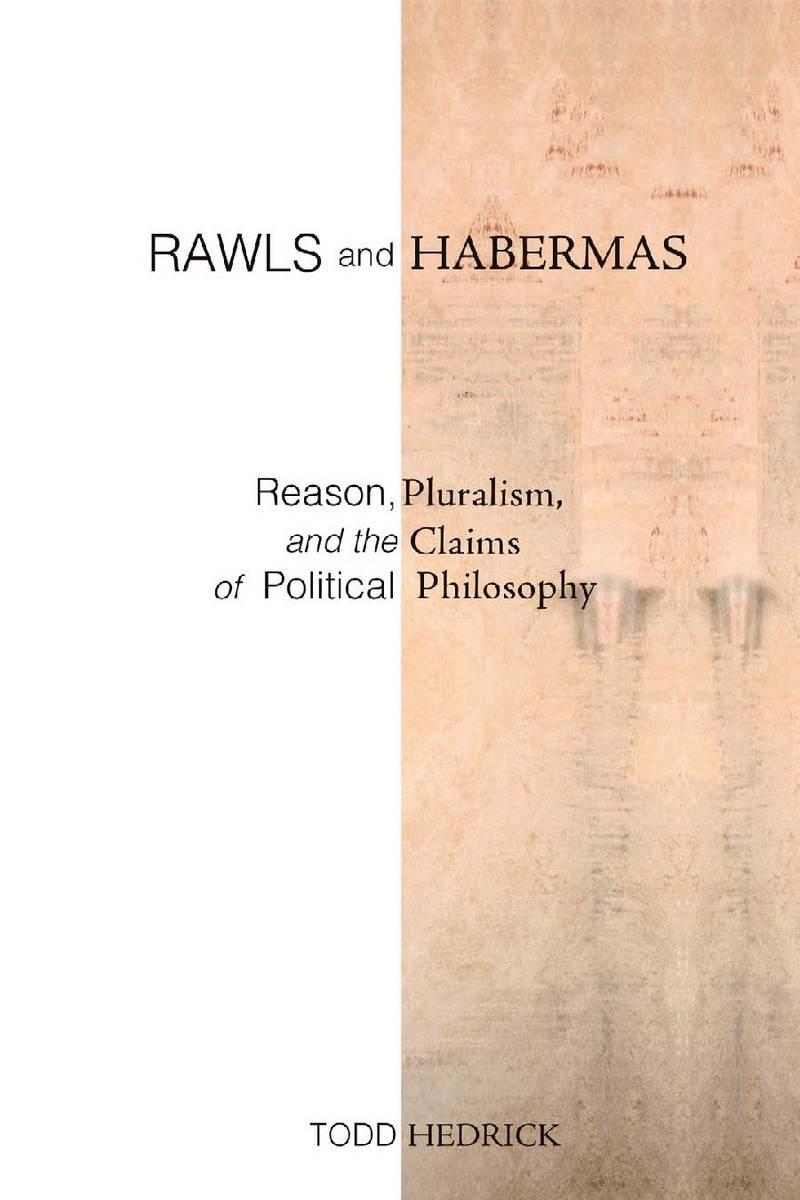
This book offers a comprehensive evaluation of the two preeminent post-WWII political philosophers, John Rawls and Jürgen Habermas. Both men question how we can be free and autonomous under coercive law and how we might collectively use our reason to justify exercises of political power. In pluralistic modern democracies, citizens cannot be expected to agree about social norms on the basis of common allegiance to comprehensive metaphysical or religious doctrines concerning persons or society, and both philosophers thus engage fundamental questions about how a normatively binding framework for the public use of reason might be possible and justifiable. Hedrick explores the notion of reasonableness underwriting Rawls's political liberalism and the theory of communicative rationality that sustains Habermas's procedural conception of the democratic constitutional state. His book challenges the Rawlsianism prevalent in the Anglo-American world today while defending Habermas's often poorly understood theory as a superior alternative.
Paga fácilmente con tarjeta, Klarna, Apple Pay o Google Pay. ¿No estás contento? Siempre tienes 14 días de garantía de devolución. Lee más en nuestros términos. Si tienes preguntas, escríbenos a hello@memmo.org.
Memmo hace que estudiar sea más fácil, estés donde estés. Aquí tienes tus libros de texto y herramientas de estudio inteligentes en un solo lugar: resúmenes, quizzes, podcasts y flashcards. Y también a Ted, tu compañero de estudio que responde a todo lo que te preguntes. Más de 50 000 estudiantes ya estudian aquí. Está hecho para que aprendas más rápido y te estreses menos.