
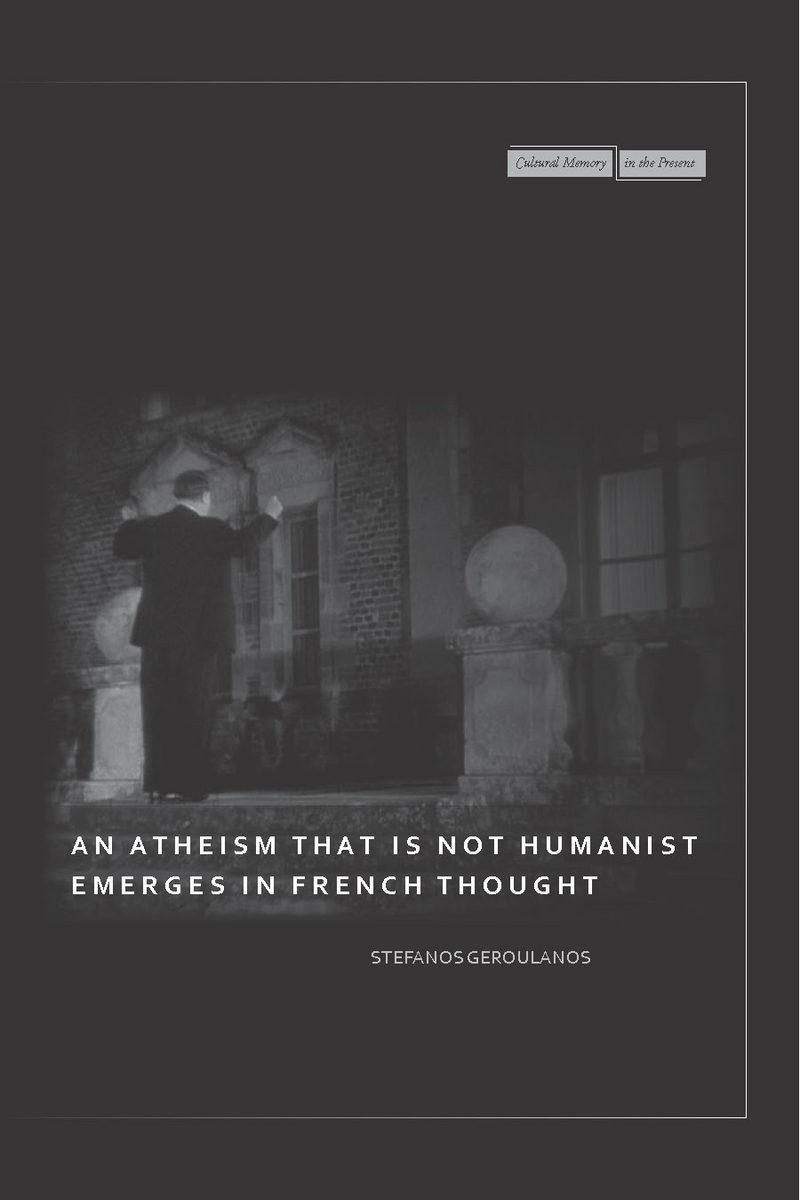
French philosophy changed dramatically in the second quarter of the twentieth century. In the wake of World War I and, later, the Nazi and Soviet disasters, major philosophers such as Kojève, Levinas, Heidegger, Koyré, Sartre, Merleau-Ponty, and Hyppolite argued that man could no longer fill the void left by the "death of God" without also calling up the worst in human history and denigrating the dignity of the human subject. In response, they contributed to a new belief that man should no longer be viewed as the basis for existence, thought, and ethics; rather, human nature became dependent on other concepts and structures, including Being, language, thought, and culture. This argument, which was to be paramount for existentialism and structuralism, came to dominate postwar thought. This intellectual history of these developments argues that at their heart lay a new atheism that rejected humanism as insufficient and ultimately violent.
Paga fácilmente con tarjeta, Klarna, Apple Pay o Google Pay. ¿No estás contento? Siempre tienes 14 días de garantía de devolución. Lee más en nuestros términos. Si tienes preguntas, escríbenos a hello@memmo.org.
Memmo hace que estudiar sea más fácil, estés donde estés. Aquí tienes tus libros de texto y herramientas de estudio inteligentes en un solo lugar: resúmenes, quizzes, podcasts y flashcards. Y también a Ted, tu compañero de estudio que responde a todo lo que te preguntes. Más de 50 000 estudiantes ya estudian aquí. Está hecho para que aprendas más rápido y te estreses menos.