
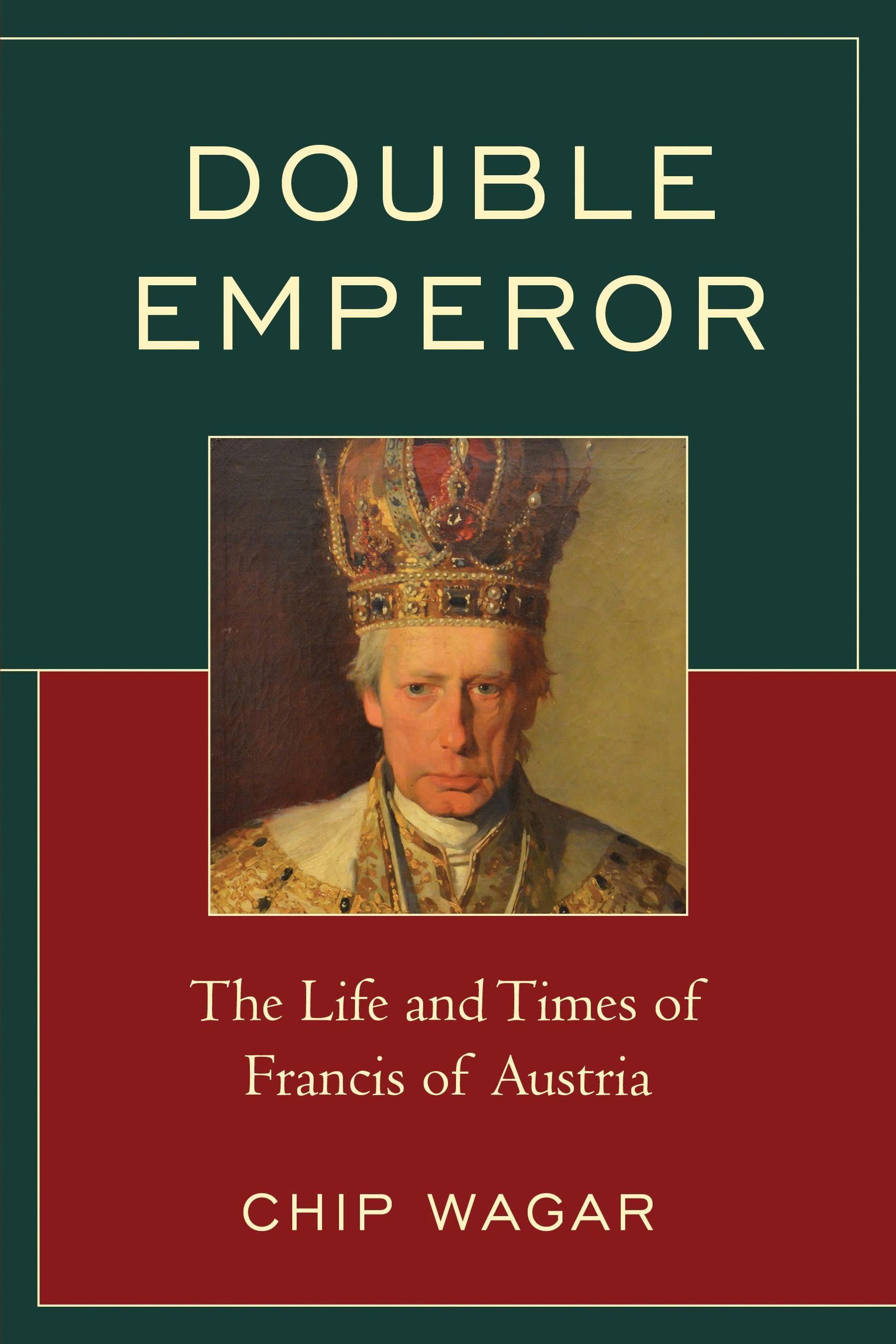
For forty-three years, Francis I of Austria ruled a vast heterogenous Empire that came to dominate the continent of Europe. Ascending Charlemagne’s thousand-year throne of the Holy Roman Empire at the age of twenty-four on the unexpected death of his father, this scion of the ancient Habsburg dynasty became the first Emperor of Austria and for two years, the only Double Emperor in history.
Both the father in law of Napoleon Bonaparte and his chief rival for dominance of the continent of Europe, Francis eventually led a coalition of nations to Paris in 1814 and sent Napoleon into exile. The exiled Napoleon’s only son and heir lived with his grandfather thereafter in Vienna until his tragic early death.
Kings, ministers, generals and the glitterati of Europe gathered under his watchful eye at the Congress of Vienna to decide the fate of a continent in the wake of the Napoleonic Wars in which he played a pivotal role. The Congress saw the emergence of his new Austrian Empire as the most dominant power in continental Europe until long after his death twenty years later.
A devoted husband, father and grandfather, his modest lifestyle and simple tastes that set the tone of the Biedermeier era concealed a complex and calculating ruler whose initial, cautious liberalism gradually evolved into a stoic conservatism. No other life-biography in English has been written about this mysterious but powerful figure of early 19th century Europe whom Metternich and Radetzky called their master.
Both the father in law of Napoleon Bonaparte and his chief rival for dominance of the continent of Europe, Francis eventually led a coalition of nations to Paris in 1814 and sent Napoleon into exile. The exiled Napoleon’s only son and heir lived with his grandfather thereafter in Vienna until his tragic early death.
Kings, ministers, generals and the glitterati of Europe gathered under his watchful eye at the Congress of Vienna to decide the fate of a continent in the wake of the Napoleonic Wars in which he played a pivotal role. The Congress saw the emergence of his new Austrian Empire as the most dominant power in continental Europe until long after his death twenty years later.
A devoted husband, father and grandfather, his modest lifestyle and simple tastes that set the tone of the Biedermeier era concealed a complex and calculating ruler whose initial, cautious liberalism gradually evolved into a stoic conservatism. No other life-biography in English has been written about this mysterious but powerful figure of early 19th century Europe whom Metternich and Radetzky called their master.
Paga fácilmente con tarjeta, Klarna, Apple Pay o Google Pay. ¿No estás contento? Siempre tienes 14 días de garantía de devolución. Lee más en nuestros términos. Si tienes preguntas, escríbenos a hello@memmo.org.
Memmo hace que estudiar sea más fácil, estés donde estés. Aquí tienes tus libros de texto y herramientas de estudio inteligentes en un solo lugar: resúmenes, quizzes, podcasts y flashcards. Y también a Ted, tu compañero de estudio que responde a todo lo que te preguntes. Más de 50 000 estudiantes ya estudian aquí. Está hecho para que aprendas más rápido y te estreses menos.