
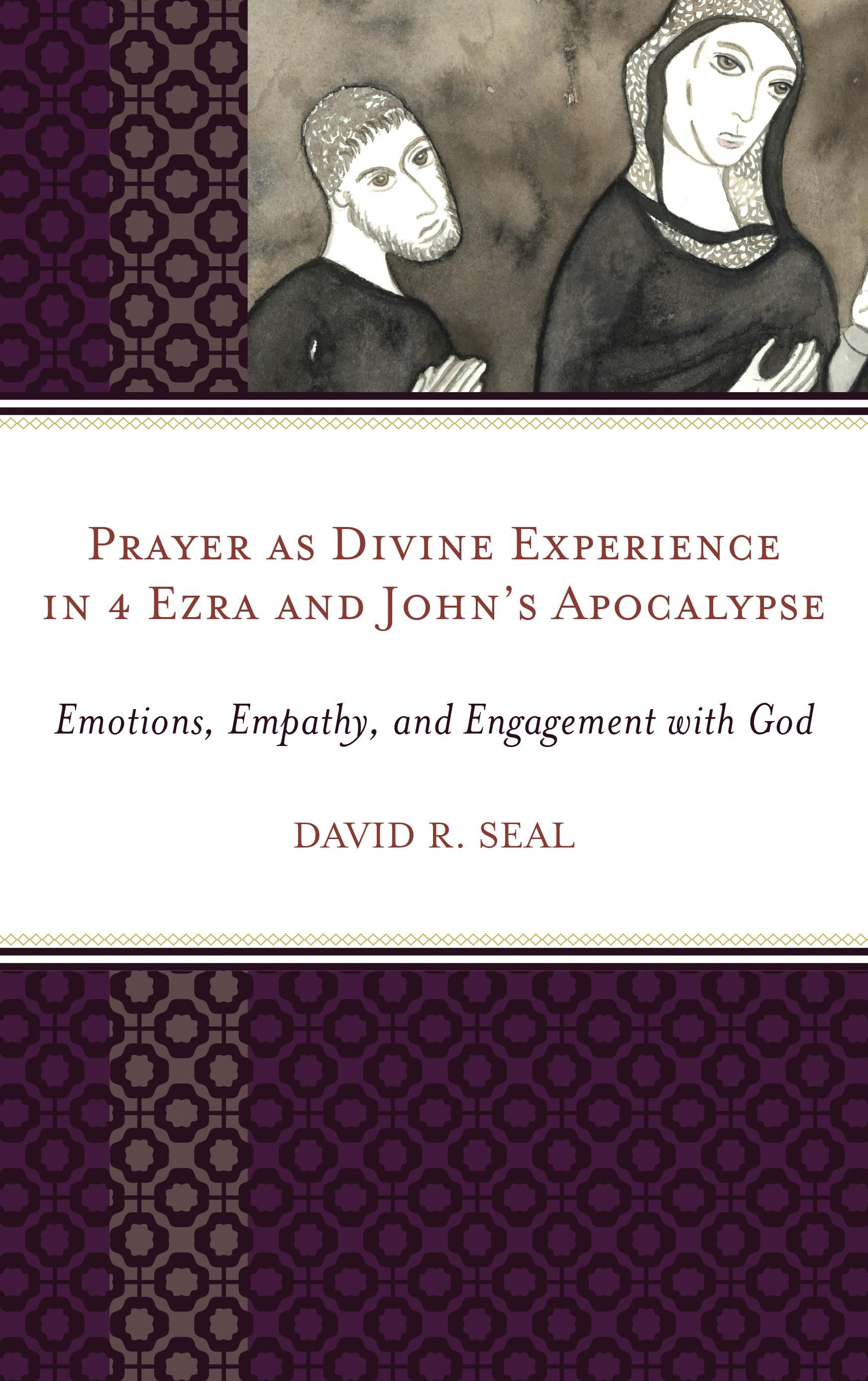
Do humans have a special capacity designed to foster experiences of God? What role do specific bodily actions or emotions play in the cultivation of a divine experience? Prayer as Divine Experience in 4 Ezra and John’s Apocalypse: Emotion, Empathy, and Engagement with God explores these questions in a systematic study of the emotions in two apocalyptic texts. The book of 4 Ezra, an ancient Jewish apocalypse, and the book of Revelation, an ancient Christian Apocalypse written by John, are examined with a focus on the emotional language of the prayers and prayer preludes contained in this literature. Both texts were composed in the first-century of the Common Era, a time when most people exposed to literature heard the content as it was recited. The emotive language in these writings could potentially arouse similar emotions in the readers or hearers of these texts, allowing the person to have access to the divine experiences, which are described by the seer in 4 Ezra and are expressed by the angelic choir in John’s Apocalypse. Prior to examining the prayers, Prayer as Divine Experience will describe the neurological processes that cause a person to mirror the emotions expressed by another individual, thereby prompting an imitation of the experience that is perceived.
Paga fácilmente con tarjeta, Klarna, Apple Pay o Google Pay. ¿No estás contento? Siempre tienes 14 días de garantía de devolución. Lee más en nuestros términos. Si tienes preguntas, escríbenos a hello@memmo.org.
Memmo hace que estudiar sea más fácil, estés donde estés. Aquí tienes tus libros de texto y herramientas de estudio inteligentes en un solo lugar: resúmenes, quizzes, podcasts y flashcards. Y también a Ted, tu compañero de estudio que responde a todo lo que te preguntes. Más de 50 000 estudiantes ya estudian aquí. Está hecho para que aprendas más rápido y te estreses menos.