
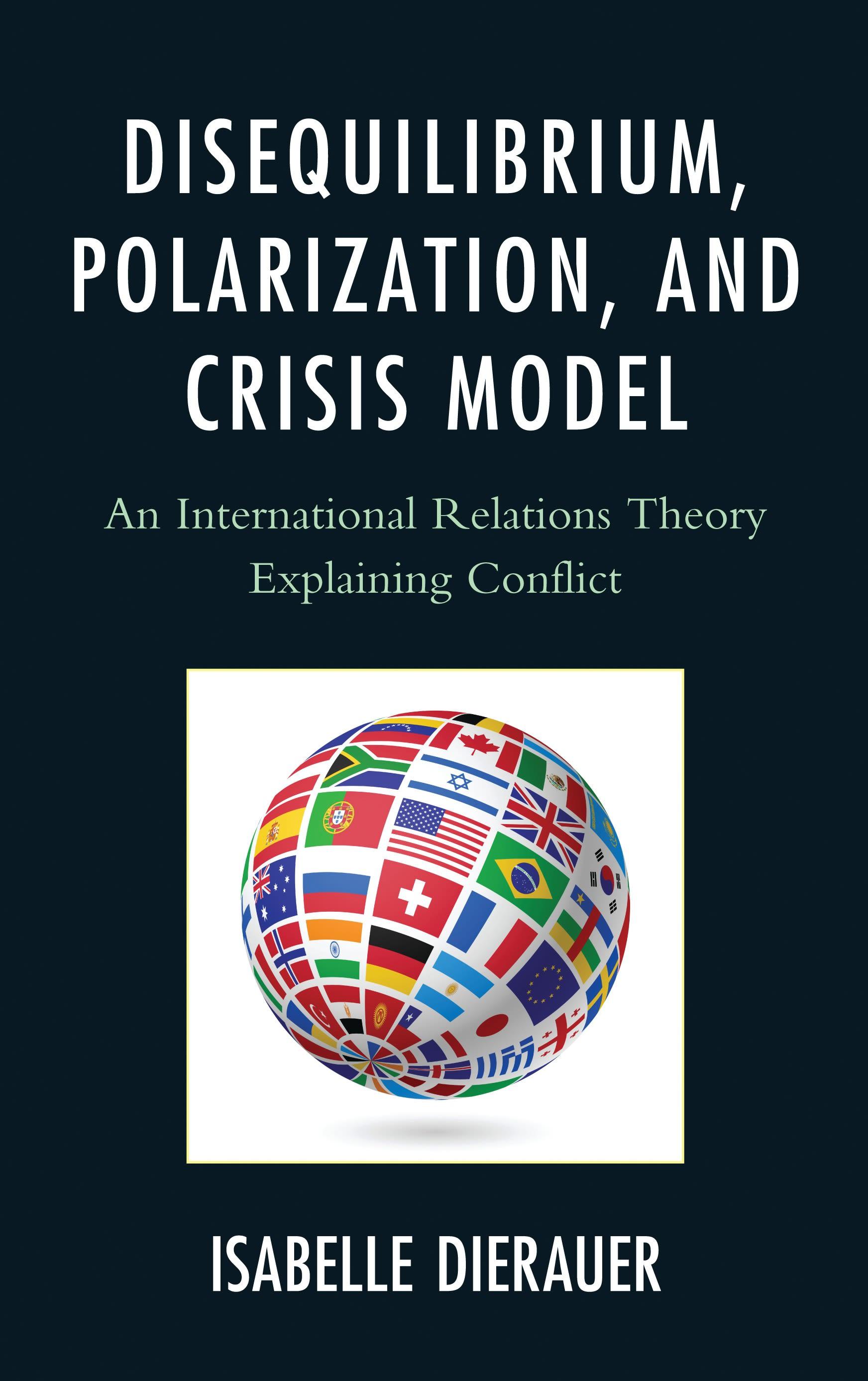
Different international relations theorists have studied political change, but all fall short of sufficiently integrating human reactions, feelings, and responses to change in their theories. This book adds a social psychological component to the analysis of why nations, politically organized groups, or states enter into armed conflict. The Disequilibrium, Polarization, and Crisis Model is introduced, which draws from prospect theory, realism, liberalism, and constructivism. The theory considers how humans react and respond to change in their social, political, and economic environment. Three case studies, the U.S. Civil War, the Yugoslav Wars (1991-1995), and the First World War are applied to illustrate the model’s six process stages: status quo, change creating shifts that lead to disequilibrium, realization of loss, hanging on to the old status quo, emergence of a rigid system, and risky decisions leading to violence and war.
Páginas: 280
Categoría: Statsvetenskap & Politik
e-ISBN: 9780761861065
Peso de envío: 1.2 kg
Envío en: 1-2 días
Paga fácilmente con tarjeta, Klarna, Apple Pay o Google Pay. ¿No estás contento? Siempre tienes 14 días de garantía de devolución. Lee más en nuestros términos. Si tienes preguntas, escríbenos a hello@memmo.org.
Memmo hace que estudiar sea más fácil, estés donde estés. Aquí tienes tus libros de texto y herramientas de estudio inteligentes en un solo lugar: resúmenes, quizzes, podcasts y flashcards. Y también a Ted, tu compañero de estudio que responde a todo lo que te preguntes. Más de 50 000 estudiantes ya estudian aquí. Está hecho para que aprendas más rápido y te estreses menos.