
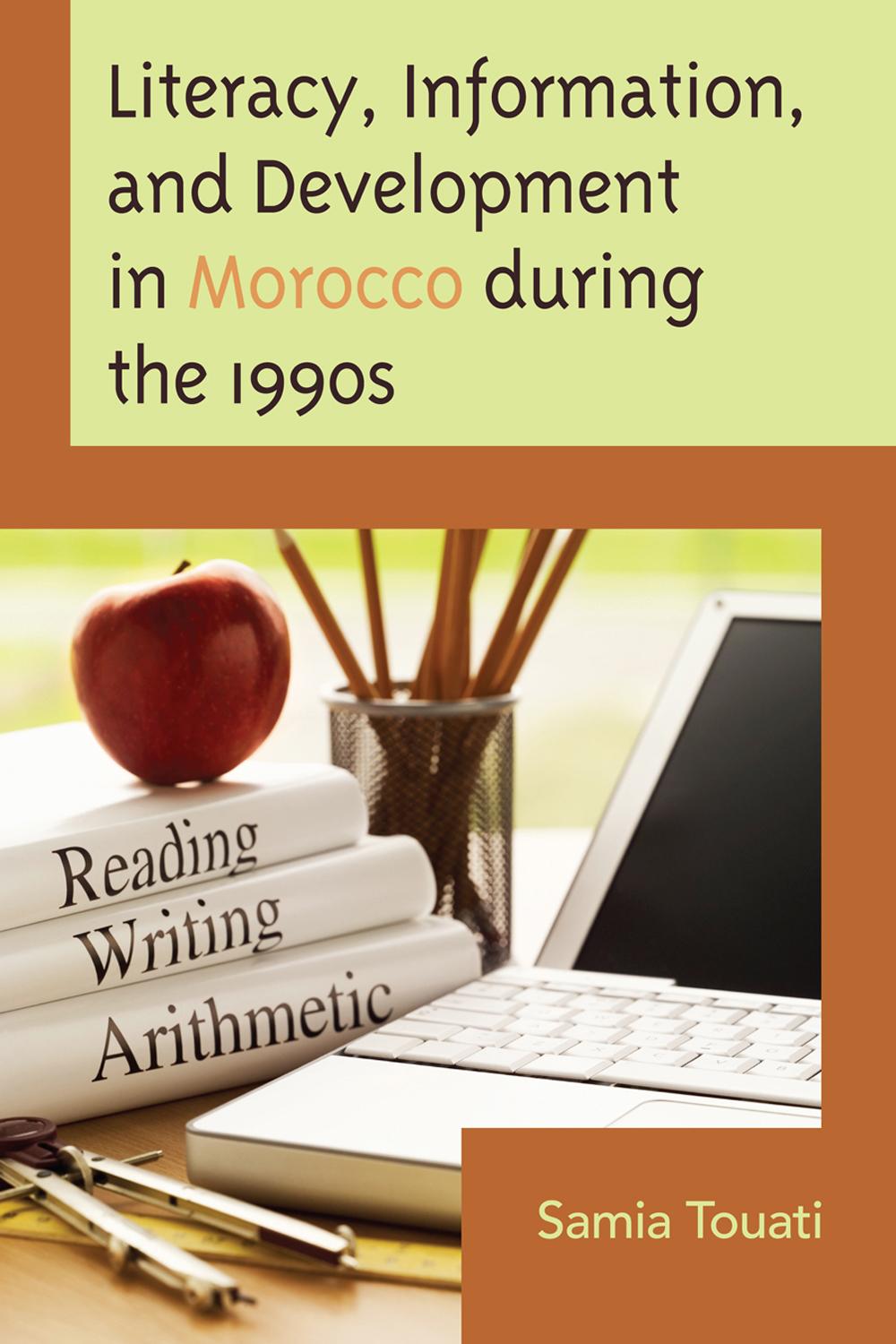
Literacy, Information, and Development in Morocco during the 1990s offers readers a two-level investigation of the culture of literacy. A handful of researchers approach literacy either through theory or through practice in general; however, this is the first study in the African context that tries to investigate the issue of literacy from both perspectives.
At the first level, Touati provides an evaluation of the state policy towards literacy during the 1990s. She places a particular emphasis on the motives and assumptions behind policy-makers' increasing interest in literacy. Since 1990, the state has adopted a participatory approach which is based on a cross-sector strategy that encourages both public and private institutions to take part in the dissemination of literacy. This text explores the working factors that motivate Moroccan decision-makers to support the campaign for greater literacy. Such factors are founded on the assumption that providing literacy programs, training, and education are a means of furthering the country's development. Morrocan officials also base their support for higher literacy rates on the belief that literacy is useful for both the individual and the society.
At the second level, Touati offers an examination of the presumed benefits of literacy in Morocco. Literacy has been found to engender many personal, social, and economic benefits, but only when certain conditions are met. These conditions include the political will to disseminate literacy, the acknowledgement of the need for literacy in one's everyday life, the availability of job opportunities, and the eradication of poverty.
At the first level, Touati provides an evaluation of the state policy towards literacy during the 1990s. She places a particular emphasis on the motives and assumptions behind policy-makers' increasing interest in literacy. Since 1990, the state has adopted a participatory approach which is based on a cross-sector strategy that encourages both public and private institutions to take part in the dissemination of literacy. This text explores the working factors that motivate Moroccan decision-makers to support the campaign for greater literacy. Such factors are founded on the assumption that providing literacy programs, training, and education are a means of furthering the country's development. Morrocan officials also base their support for higher literacy rates on the belief that literacy is useful for both the individual and the society.
At the second level, Touati offers an examination of the presumed benefits of literacy in Morocco. Literacy has been found to engender many personal, social, and economic benefits, but only when certain conditions are met. These conditions include the political will to disseminate literacy, the acknowledgement of the need for literacy in one's everyday life, the availability of job opportunities, and the eradication of poverty.
Páginas: 230
Categoría: Ekonomi & Utveckling
e-ISBN: 9780761853510
Peso de envío: 1.2 kg
Envío en: 1-2 días
Paga fácilmente con tarjeta, Klarna, Apple Pay o Google Pay. ¿No estás contento? Siempre tienes 14 días de garantía de devolución. Lee más en nuestros términos. Si tienes preguntas, escríbenos a hello@memmo.org.
Memmo hace que estudiar sea más fácil, estés donde estés. Aquí tienes tus libros de texto y herramientas de estudio inteligentes en un solo lugar: resúmenes, quizzes, podcasts y flashcards. Y también a Ted, tu compañero de estudio que responde a todo lo que te preguntes. Más de 50 000 estudiantes ya estudian aquí. Está hecho para que aprendas más rápido y te estreses menos.