
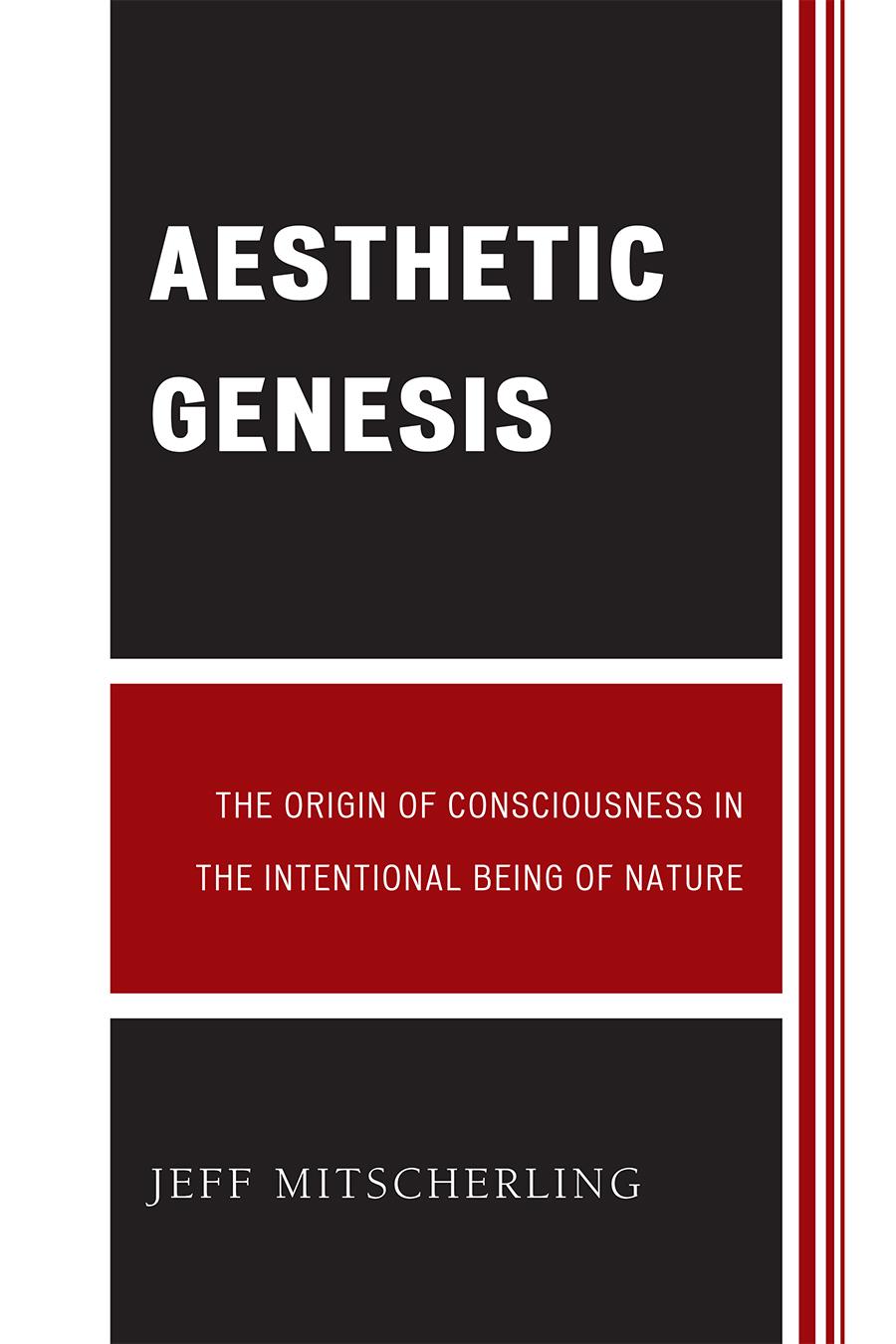
In Aesthetic Genesis, the author argues for a reversal of the most fundamental tenet of phenomenology-namely, that all consciousness is intentional (that is, directed toward an object). Mitscherling suggests, as a new "Copernican hypothesis," that intentionality (i.e., directionality) gives rise to consciousness. This book describes not only the origin, or "genesis," of human cognition in sensation, but also the genesis of sensation from intentional structures belonging to nature itself. A phenomenological examination of our experience leads to the conclusion that the two sorts of being generally recognized by contemporary science and philosophy-that is, material being and ideal being-prove ontologically inadequate to account for this experience. Mitscherling rehabilitates the pre-modern concepts of "intentional being" and "formal causality" and employs them in the construction of a comprehensive phenomenological analysis of embodiment, aesthetic experience, the interpretation of texts, moral behavior, and cognition in general.
Paga fácilmente con tarjeta, Klarna, Apple Pay o Google Pay. ¿No estás contento? Siempre tienes 14 días de garantía de devolución. Lee más en nuestros términos. Si tienes preguntas, escríbenos a hello@memmo.org.
Memmo hace que estudiar sea más fácil, estés donde estés. Aquí tienes tus libros de texto y herramientas de estudio inteligentes en un solo lugar: resúmenes, quizzes, podcasts y flashcards. Y también a Ted, tu compañero de estudio que responde a todo lo que te preguntes. Más de 50 000 estudiantes ya estudian aquí. Está hecho para que aprendas más rápido y te estreses menos.