
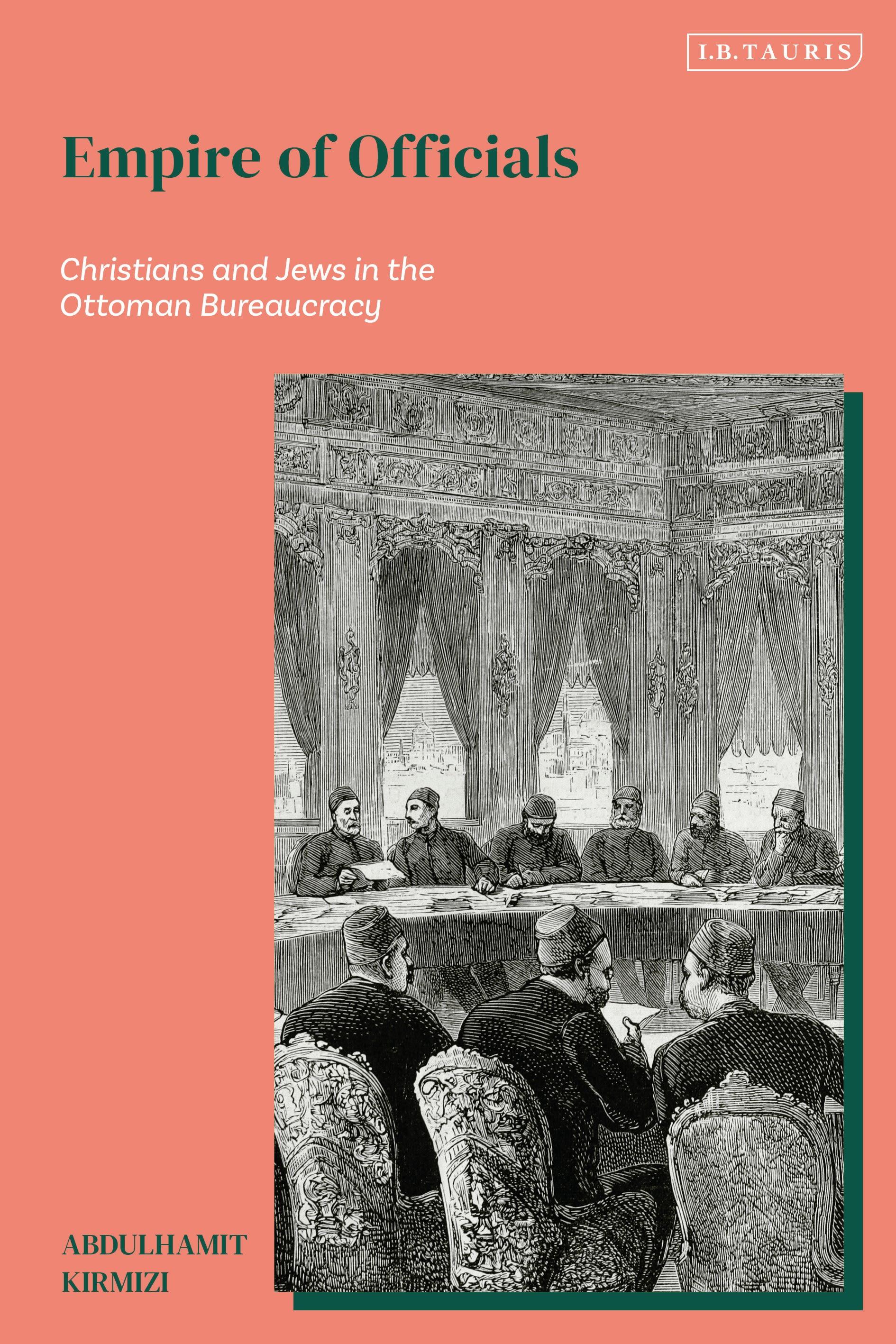
The Ottoman Empire's vast bureaucracy was not solely the domain of Muslim officials. Empire of Officials uncovers the overlooked role of Christians and Jews in the imperial administration, revealing a world where religious difference coexisted with professional collegiality.
Drawing on extensive archival research and prosopographic analysis, the book challenges narratives that portray the Ottoman state as rigidly divided along religious lines. Thousands of non-Muslim officials-from scribes and tax officers to high-ranking administrators and ministers-were indispensable to governance, shaping policies that affected millions. Their presence reveals the complexities of imperial rule, where loyalty, expertise, and pragmatism often outweighed sectarian divisions. Navigating careers within a state undergoing modernization and reform, these officials built networks, wielded influence, and redefined the boundaries of belonging. Focusing on the quantity and qualities of its Armenian, Greek, and Jewish officials, Empire of Officials offers a fresh perspective on Ottoman governance. It complicates conventional understandings of identity and provides a new lens for Ottomanism by showing how the bureaucracy functioned as a multi-confessional space, where professional roles often took precedence over ethnic or religious affiliations. Essential reading for scholars of comparative empires, this book illuminates the intricate intersections of bureaucracy, religion, and state power.
Drawing on extensive archival research and prosopographic analysis, the book challenges narratives that portray the Ottoman state as rigidly divided along religious lines. Thousands of non-Muslim officials-from scribes and tax officers to high-ranking administrators and ministers-were indispensable to governance, shaping policies that affected millions. Their presence reveals the complexities of imperial rule, where loyalty, expertise, and pragmatism often outweighed sectarian divisions. Navigating careers within a state undergoing modernization and reform, these officials built networks, wielded influence, and redefined the boundaries of belonging. Focusing on the quantity and qualities of its Armenian, Greek, and Jewish officials, Empire of Officials offers a fresh perspective on Ottoman governance. It complicates conventional understandings of identity and provides a new lens for Ottomanism by showing how the bureaucracy functioned as a multi-confessional space, where professional roles often took precedence over ethnic or religious affiliations. Essential reading for scholars of comparative empires, this book illuminates the intricate intersections of bureaucracy, religion, and state power.
Paga fácilmente con tarjeta, Klarna, Apple Pay o Google Pay. ¿No estás contento? Siempre tienes 14 días de garantía de devolución. Lee más en nuestros términos. Si tienes preguntas, escríbenos a hello@memmo.org.
Memmo hace que estudiar sea más fácil, estés donde estés. Aquí tienes tus libros de texto y herramientas de estudio inteligentes en un solo lugar: resúmenes, quizzes, podcasts y flashcards. Y también a Ted, tu compañero de estudio que responde a todo lo que te preguntes. Más de 50 000 estudiantes ya estudian aquí. Está hecho para que aprendas más rápido y te estreses menos.