
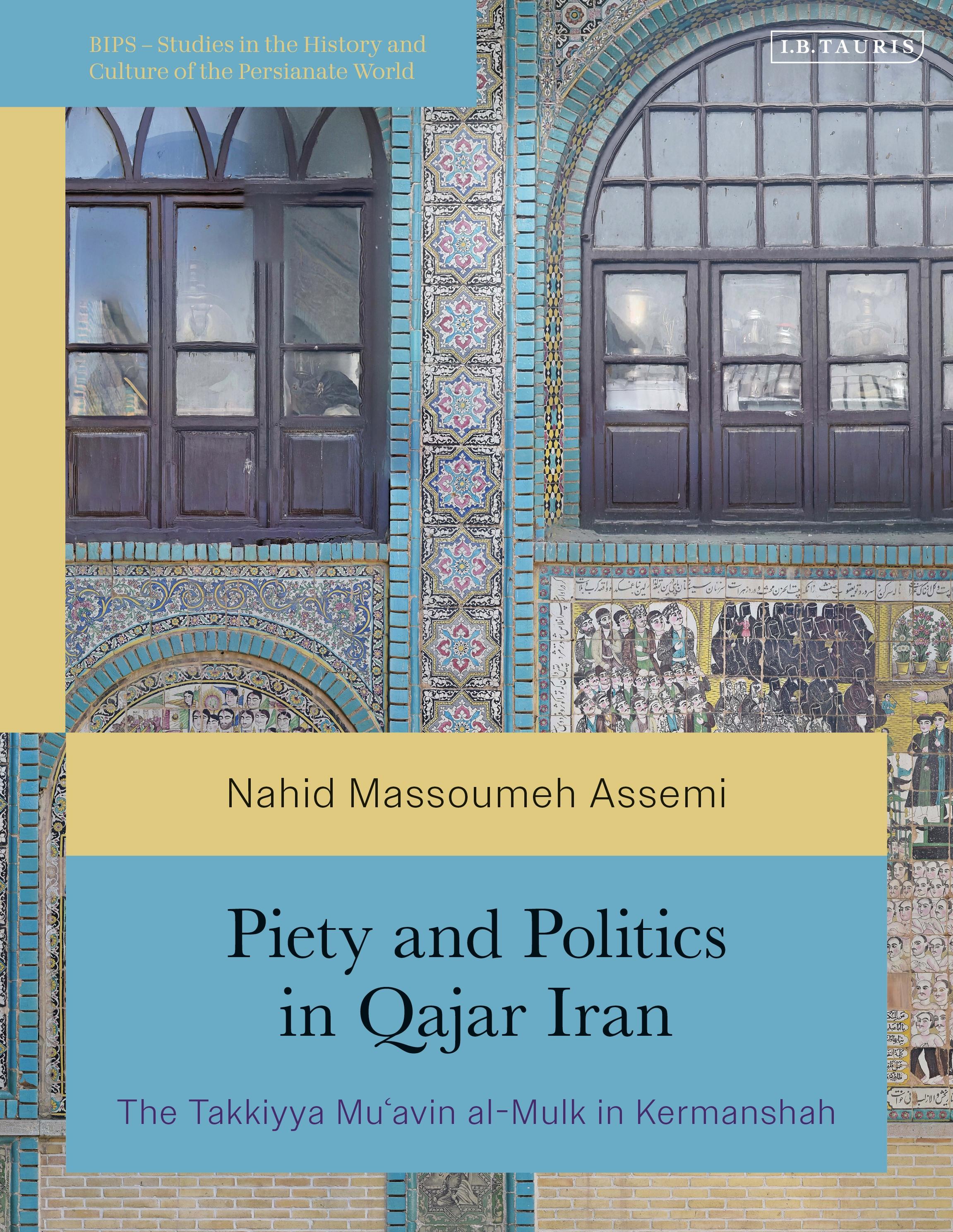
The Takkiyya Mu'avin al-Mulk is a building complex in the city of Kermanshah in western Iran, dedicated to the annual commemoration of the martyrdom of Husayn ibn 'Ali at the Battle of Karbala in 680, an event of seminal significance to Shi'i Islam. Private takkiyyas built by social elites were a phenomenon of the Qajar period, with their construction motivated by a political quest for legitimacy.
This book examines the intersection of art and architecture, popular piety, and the politics of legitimation. Through an examination of the building and its decorative programme, it addresses issues of patronage, Shi'i iconography and popular religious practices during the early 20th century in Iran. It further argues for the role of takkiyyas in creation of a sense of community and group identity; the formative stage of the emergent idea of nationhood at the time, amongst those who frequented them.
This book examines the intersection of art and architecture, popular piety, and the politics of legitimation. Through an examination of the building and its decorative programme, it addresses issues of patronage, Shi'i iconography and popular religious practices during the early 20th century in Iran. It further argues for the role of takkiyyas in creation of a sense of community and group identity; the formative stage of the emergent idea of nationhood at the time, amongst those who frequented them.
Paga fácilmente con tarjeta, Klarna, Apple Pay o Google Pay. ¿No estás contento? Siempre tienes 14 días de garantía de devolución. Lee más en nuestros términos. Si tienes preguntas, escríbenos a hello@memmo.org.
Memmo hace que estudiar sea más fácil, estés donde estés. Aquí tienes tus libros de texto y herramientas de estudio inteligentes en un solo lugar: resúmenes, quizzes, podcasts y flashcards. Y también a Ted, tu compañero de estudio que responde a todo lo que te preguntes. Más de 50 000 estudiantes ya estudian aquí. Está hecho para que aprendas más rápido y te estreses menos.