
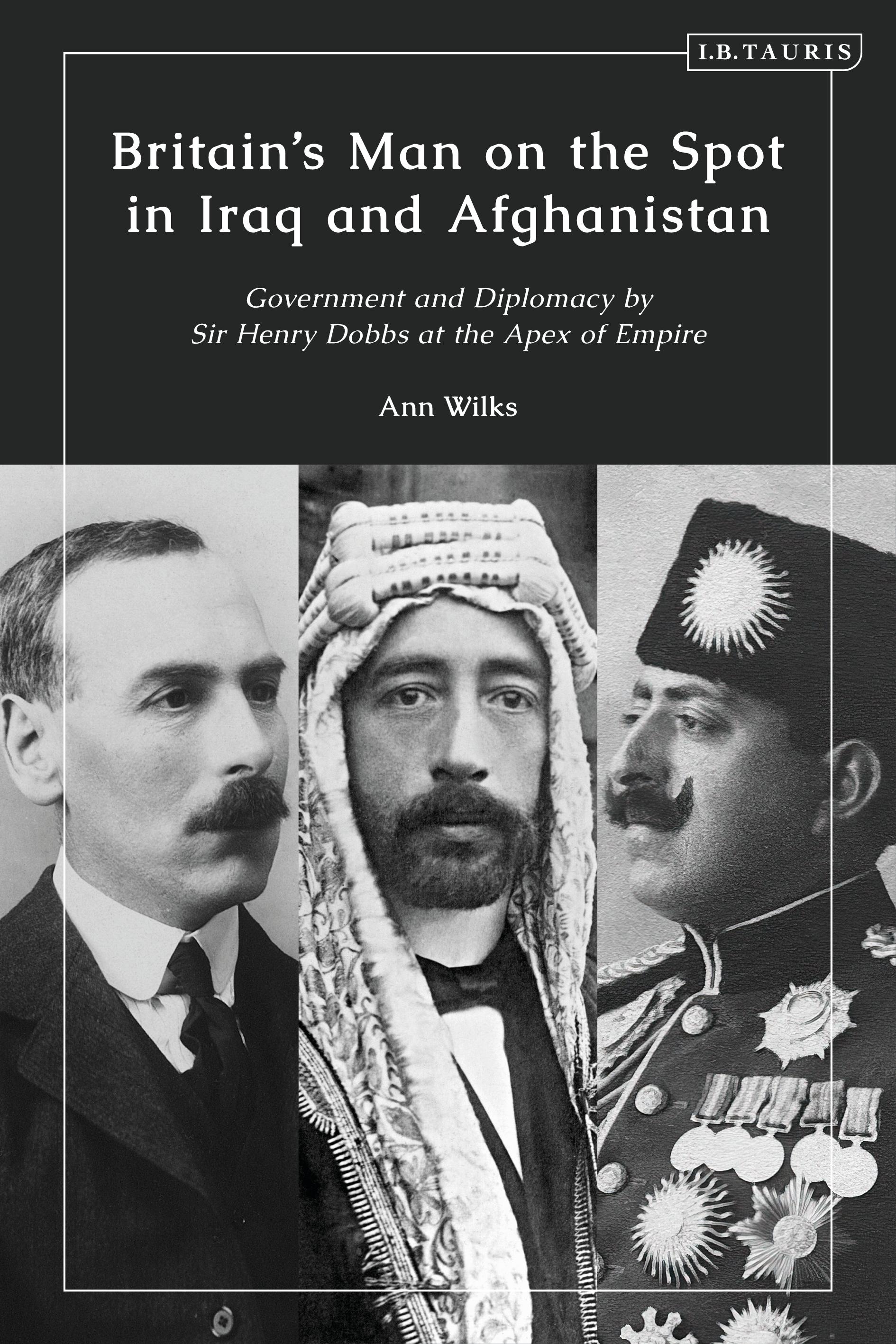
The newly discovered papers and colourfully-written letters of Anglo-Irish Sir Henry Dobbs, which form the backbone of this book, reveal his importance in the development of the modern Middle East.
An influential civil servant and Britain's longest serving High Commissioner in Iraq at a time when the British empire was facing increasing challenges to its once dominant position, he describes the difficulties of governing first in India then in the formerly Ottoman Mesopotamia during WW1. Here, Dobbs had to devise administrative systems while often at odds with his superior, Sir Percy Cox. In the discussions that followed the Third Afghan War, Dobbs manoeuvred between the different views in London and Delhi with great dexterity to negotiate alone with the Amir of Afghanistan the enduring 1921 Anglo-Afghan treaty.
Having accepted from the League of Nations the responsibility for taking the newly-created Iraq to sustainable independence in the aftermath of WW1, the cash-strapped British government came under great domestic pressure to abandon it. Key to British support continuing was Iraqi acceptance of the controversial 1922 treaty with Britain. This Dobbs achieved by disregarding the unhelpful approach recommended by London and, risking his career, he pressed on with his own wholly unauthorised tactics. In other initiatives, Dobbs ensured that Mosul province remained within Iraq. Dobbs consistently pressed for Iraq's early independence – granted in 1932, the first territory in the former Ottoman Empire to gain it.
An early advocate of self-determination Dobbs was frequently at odds with the more traditional imperial approach of his superiors. He always endeavoured to balance the aspirations and needs of overseas communities for whom he was responsible with the interests of Britain which he represented.
An influential civil servant and Britain's longest serving High Commissioner in Iraq at a time when the British empire was facing increasing challenges to its once dominant position, he describes the difficulties of governing first in India then in the formerly Ottoman Mesopotamia during WW1. Here, Dobbs had to devise administrative systems while often at odds with his superior, Sir Percy Cox. In the discussions that followed the Third Afghan War, Dobbs manoeuvred between the different views in London and Delhi with great dexterity to negotiate alone with the Amir of Afghanistan the enduring 1921 Anglo-Afghan treaty.
Having accepted from the League of Nations the responsibility for taking the newly-created Iraq to sustainable independence in the aftermath of WW1, the cash-strapped British government came under great domestic pressure to abandon it. Key to British support continuing was Iraqi acceptance of the controversial 1922 treaty with Britain. This Dobbs achieved by disregarding the unhelpful approach recommended by London and, risking his career, he pressed on with his own wholly unauthorised tactics. In other initiatives, Dobbs ensured that Mosul province remained within Iraq. Dobbs consistently pressed for Iraq's early independence – granted in 1932, the first territory in the former Ottoman Empire to gain it.
An early advocate of self-determination Dobbs was frequently at odds with the more traditional imperial approach of his superiors. He always endeavoured to balance the aspirations and needs of overseas communities for whom he was responsible with the interests of Britain which he represented.
Paga fácilmente con tarjeta, Klarna, Apple Pay o Google Pay. ¿No estás contento? Siempre tienes 14 días de garantía de devolución. Lee más en nuestros términos. Si tienes preguntas, escríbenos a hello@memmo.org.
Memmo hace que estudiar sea más fácil, estés donde estés. Aquí tienes tus libros de texto y herramientas de estudio inteligentes en un solo lugar: resúmenes, quizzes, podcasts y flashcards. Y también a Ted, tu compañero de estudio que responde a todo lo que te preguntes. Más de 50 000 estudiantes ya estudian aquí. Está hecho para que aprendas más rápido y te estreses menos.