
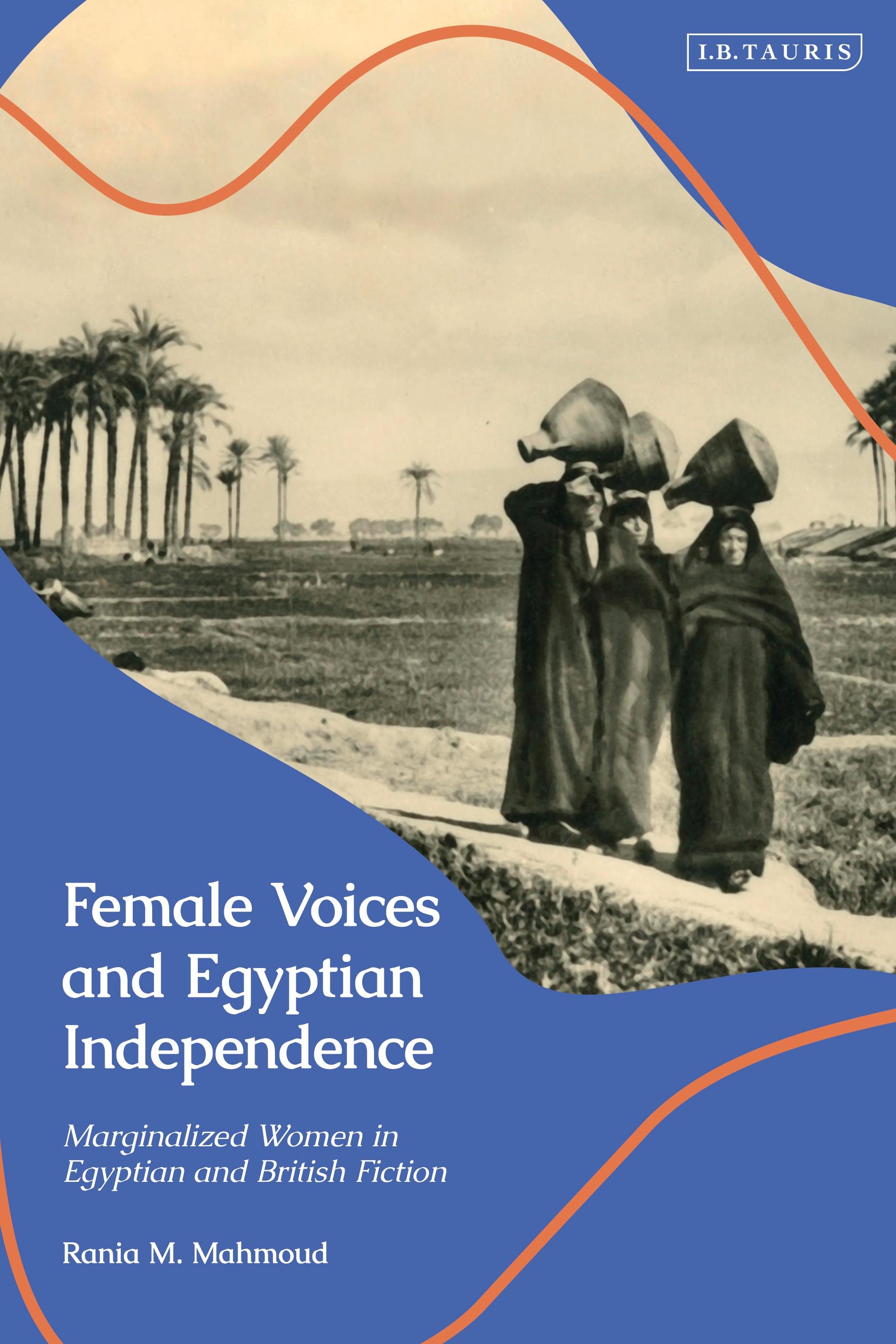
This book offers a nuanced analysis of the ways in which Egyptian and British novels represent the Egyptian nationalist project in its struggle against British hegemony in the aftermath of two revolutions: the 1881-82 Urabi Revolution, known for inaugurating the British occupation of Egypt, and the 1919 Revolution celebrated in Egyptian national memory as the classic Egyptian revolution par excellence. Reading the novels against the grain, the study recovers female voices that are multiply marginalized, due to their gender and/or ethnicity, whether by colonial imperial powers, the nation, their immediate regional community or, finally, by the works under discussion themselves. Using a comparative lens, the study foregrounds the ways in which the authors confirm, critique, rewrite/revise, or reject developmental narratives. Female Voices and Egyptian Independence pays particular attention to women that range from the uneducated black slave, to the uneducated rural Siwan woman with artistic talent, to the wealthy cultured Coptic housewife, to the rising late nineteenth-century British female professional, and finally to the eclipsed twentieth-century Egyptian female national intellectual, all of whom play crucial roles in the journeys of the respective male protagonists, and by extension, the Egyptian national project.
Paga fácilmente con tarjeta, Klarna, Apple Pay o Google Pay. ¿No estás contento? Siempre tienes 14 días de garantía de devolución. Lee más en nuestros términos. Si tienes preguntas, escríbenos a hello@memmo.org.
Memmo hace que estudiar sea más fácil, estés donde estés. Aquí tienes tus libros de texto y herramientas de estudio inteligentes en un solo lugar: resúmenes, quizzes, podcasts y flashcards. Y también a Ted, tu compañero de estudio que responde a todo lo que te preguntes. Más de 50 000 estudiantes ya estudian aquí. Está hecho para que aprendas más rápido y te estreses menos.