
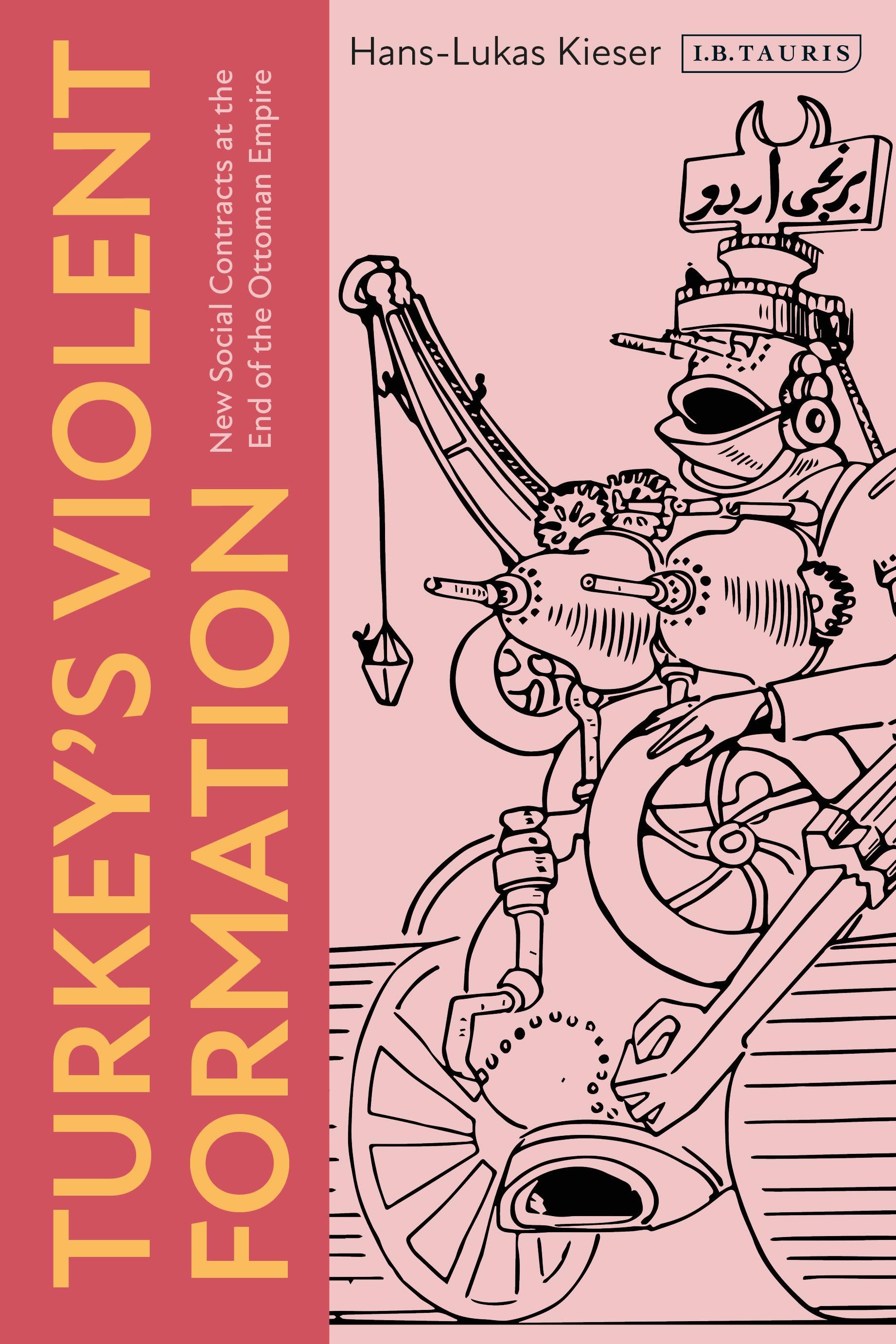
The decade of war and violence culminating in the Conference of Lausanne was formative for the modern state of Turkey, as it was for interwar Europe's diplomacy and appeasement. Yet the currents that gave rise to the defining events of the period – ultranationalism, imperial proto-fascism, and pan-Islamism – have yet to be definitively integrated into historiography.
The case studies in this book reappraise key events, concepts, and individuals in late Ottoman and early Republican Turkey. Divided into four parts, the book first examines squandered opportunities for democratic reform of the multi-ethnic empire, as well as the emergence of extreme politico-religious ideology in the late Ottoman period. It then examines the continuity of these currents in Kemalist Turkey in case studies including anti-Kurdish campaigns and biographical studies of key actors, insiders, and ideologues such as Ziya Gökalp, Cavid Bey, Riza Nur, and Mahmut Bozkurt. The final part of the book explores the legacy of Turkey's violent formation vis-à-vis its relations with wartime ally Germany in the context particularly of the Armenian genocide.
Together, the chapters in this book emphasise the legacy of foundational violence which marked the formation of authoritarian modern Turkey, while highlighting the need for new, inclusive democratic social contracts.
The case studies in this book reappraise key events, concepts, and individuals in late Ottoman and early Republican Turkey. Divided into four parts, the book first examines squandered opportunities for democratic reform of the multi-ethnic empire, as well as the emergence of extreme politico-religious ideology in the late Ottoman period. It then examines the continuity of these currents in Kemalist Turkey in case studies including anti-Kurdish campaigns and biographical studies of key actors, insiders, and ideologues such as Ziya Gökalp, Cavid Bey, Riza Nur, and Mahmut Bozkurt. The final part of the book explores the legacy of Turkey's violent formation vis-à-vis its relations with wartime ally Germany in the context particularly of the Armenian genocide.
Together, the chapters in this book emphasise the legacy of foundational violence which marked the formation of authoritarian modern Turkey, while highlighting the need for new, inclusive democratic social contracts.
Paga fácilmente con tarjeta, Klarna, Apple Pay o Google Pay. ¿No estás contento? Siempre tienes 14 días de garantía de devolución. Lee más en nuestros términos. Si tienes preguntas, escríbenos a hello@memmo.org.
Memmo hace que estudiar sea más fácil, estés donde estés. Aquí tienes tus libros de texto y herramientas de estudio inteligentes en un solo lugar: resúmenes, quizzes, podcasts y flashcards. Y también a Ted, tu compañero de estudio que responde a todo lo que te preguntes. Más de 50 000 estudiantes ya estudian aquí. Está hecho para que aprendas más rápido y te estreses menos.