
Won Honorable Mention in the Association for Middle East Women's Studies Book Awards 2025
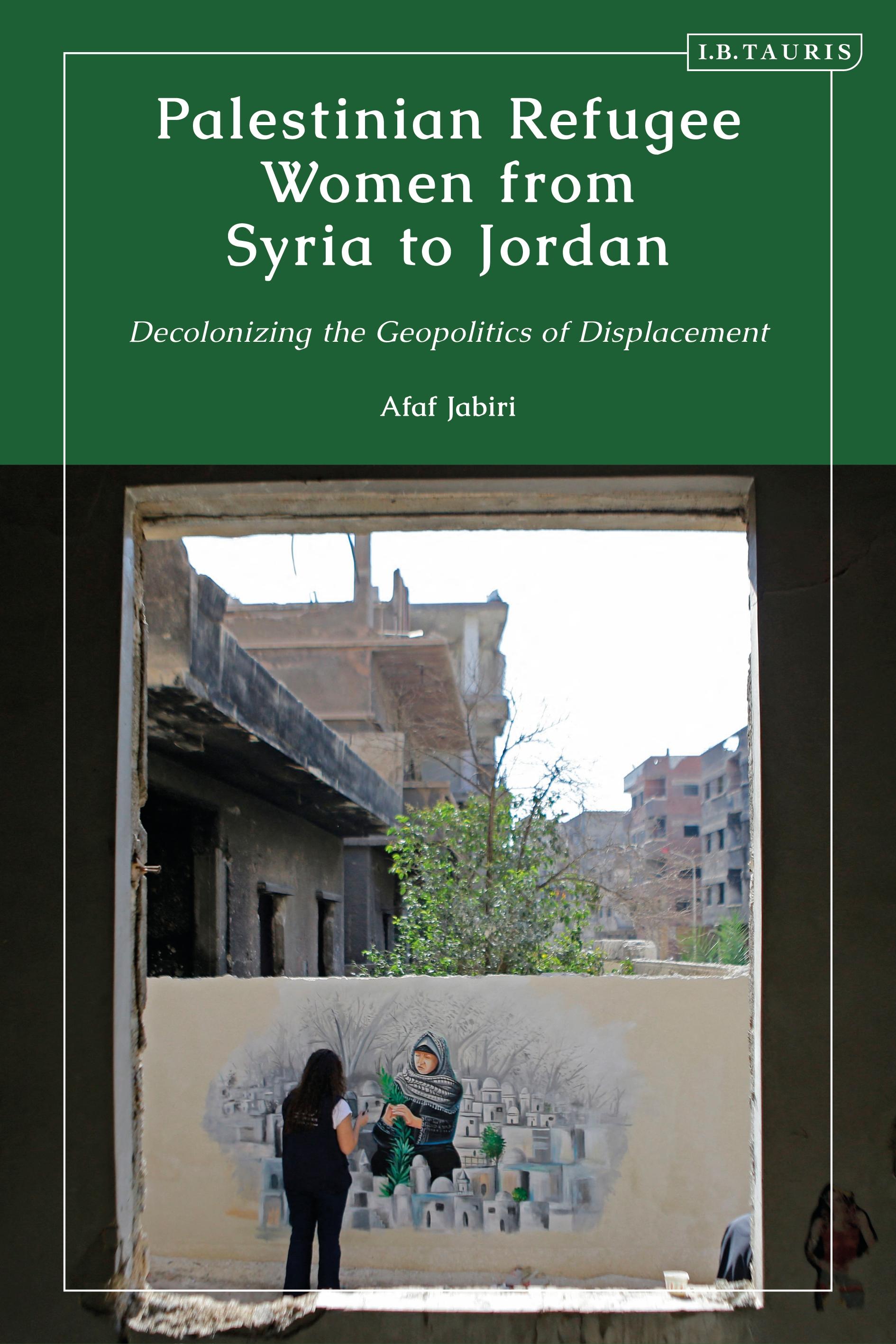
Based on four years of field research in Palestinian camps in Jordan - including unique interviews with Palestinian refugee women, aid workers, and representatives of international organisations and NGOs in Jordan - the book reveals the extraordinary layers of discrimination suffered by Palestinian women from Syria displaced to Jordan.
The women's experiences show them caught between settler colonialism, militarism, nationalism, refugees' global governance and gender regimes that subjected them to multiple forms of structural gender-based violence. The book argues for a feminist analysis of settler colonialism's epistemic violence of anti-Palestinianism to expose the history and geopolitics of intersecting oppressive systems that work through and upon gendered bodies of Palestinian refugee women in humanitarian settings. The book also highlights how local women's groups and frontline workers attempt to fill service gaps. Using a rich theoretical lens to understand the experiences of women in refugee camps, this book attempts to decolonise issues around migration, displacement, refugees and women.
Previous work on the Syrian refugee crisis has overlooked the very particular experiences of Palestinian refugee women, which has weakened feminist analysis of gendered processes of humanitarianism, and feminist transnational and intersectional solidarity. This book offers a vital critique of how feminists' adoption of a universality-based analysis of the Syrian refugee crisis has contributed to the further marginalisation of Palestinian refugee women from Syria.
Based on four years of field research in Palestinian camps in Jordan - including unique interviews with Palestinian refugee women, aid workers, and representatives of international organisations and NGOs in Jordan - the book reveals the extraordinary layers of discrimination suffered by Palestinian women from Syria displaced to Jordan.
The women's experiences show them caught between settler colonialism, militarism, nationalism, refugees' global governance and gender regimes that subjected them to multiple forms of structural gender-based violence. The book argues for a feminist analysis of settler colonialism's epistemic violence of anti-Palestinianism to expose the history and geopolitics of intersecting oppressive systems that work through and upon gendered bodies of Palestinian refugee women in humanitarian settings. The book also highlights how local women's groups and frontline workers attempt to fill service gaps. Using a rich theoretical lens to understand the experiences of women in refugee camps, this book attempts to decolonise issues around migration, displacement, refugees and women.
Previous work on the Syrian refugee crisis has overlooked the very particular experiences of Palestinian refugee women, which has weakened feminist analysis of gendered processes of humanitarianism, and feminist transnational and intersectional solidarity. This book offers a vital critique of how feminists' adoption of a universality-based analysis of the Syrian refugee crisis has contributed to the further marginalisation of Palestinian refugee women from Syria.
Paga fácilmente con tarjeta, Klarna, Apple Pay o Google Pay. ¿No estás contento? Siempre tienes 14 días de garantía de devolución. Lee más en nuestros términos. Si tienes preguntas, escríbenos a hello@memmo.org.
Memmo hace que estudiar sea más fácil, estés donde estés. Aquí tienes tus libros de texto y herramientas de estudio inteligentes en un solo lugar: resúmenes, quizzes, podcasts y flashcards. Y también a Ted, tu compañero de estudio que responde a todo lo que te preguntes. Más de 50 000 estudiantes ya estudian aquí. Está hecho para que aprendas más rápido y te estreses menos.