
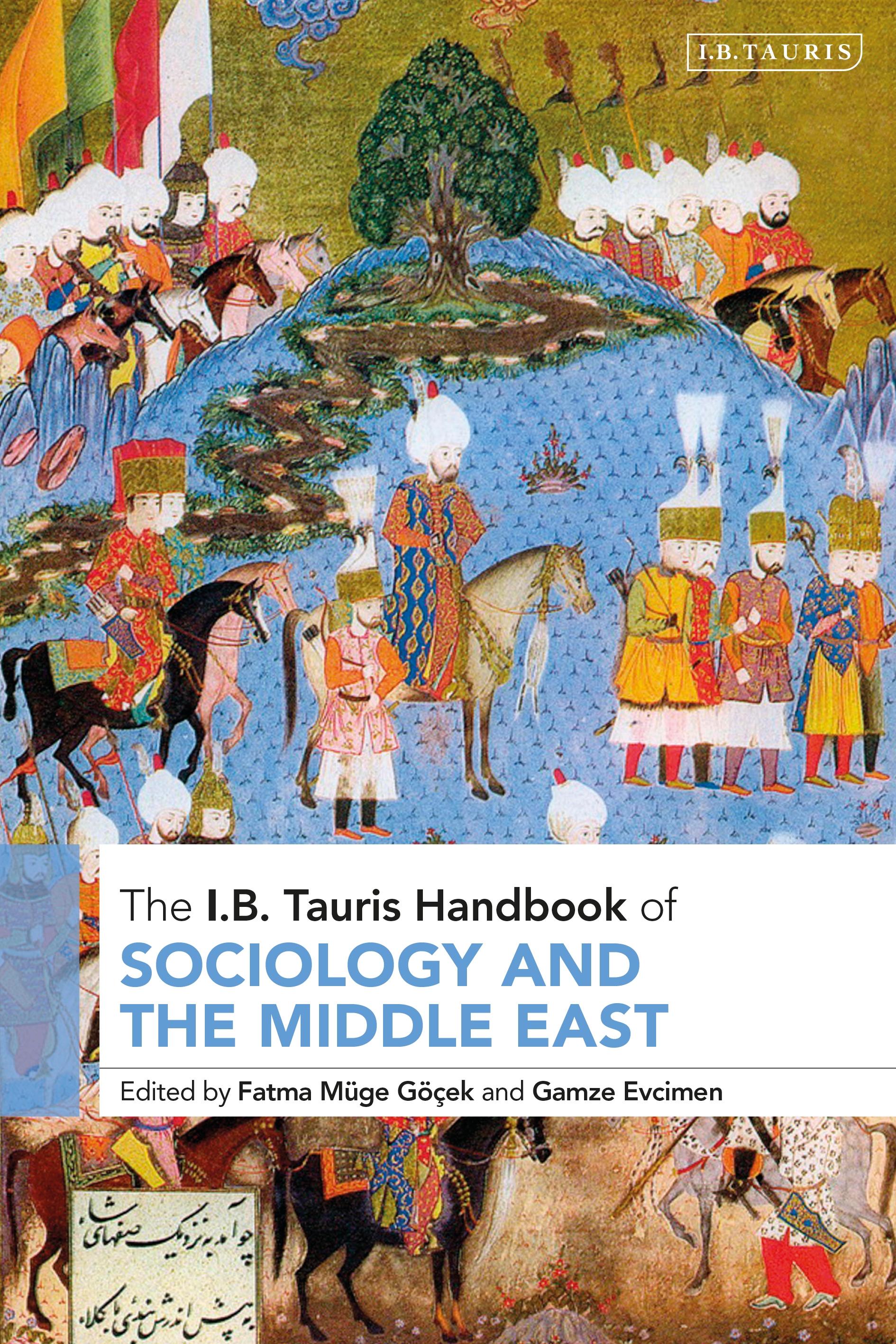
What we understand by the 'Middle East' has changed over time and across space. While scholars agree that the geographical 'core' of the Middle East is the Arabian Peninsula, the boundaries are less clear. How far back in time should we go to define the Middle East? How far south and east should we move on the African continent? And how do we deal with the minority religions in the region, and those who migrate to the West?
Across this handbook's 52 chapters, the leading sociologists writing on the Middle East share their standpoint on these questions. Taking the featured scholars as constitutive of the field, the handbook reshapes studies on the region by piecing together our knowledge on the Middle East from their path-defining contributions. The volume is divided into four parts covering sociologists' perspectives on:
· Social transformations and social conflict; from Israel-Palestine and the Iranian Revolution, to the Arab Uprisings and the Syrian War
· The region's economic, religious and political activities; including the impact of the spread of Western modernity; the effects of neo-liberalism; and how Islam shapes the region's life and politics
· People's everyday practices as they have shaped our understanding of culture, consumption, gender and sexuality
· The diasporas from the Middle East in Europe and North America, which put the Middle East in dialogue with other regions of the world.
The global approach and wide-ranging topics represent how sociologists enable us to redefine the boundaries and identities of the Middle East today.
Across this handbook's 52 chapters, the leading sociologists writing on the Middle East share their standpoint on these questions. Taking the featured scholars as constitutive of the field, the handbook reshapes studies on the region by piecing together our knowledge on the Middle East from their path-defining contributions. The volume is divided into four parts covering sociologists' perspectives on:
· Social transformations and social conflict; from Israel-Palestine and the Iranian Revolution, to the Arab Uprisings and the Syrian War
· The region's economic, religious and political activities; including the impact of the spread of Western modernity; the effects of neo-liberalism; and how Islam shapes the region's life and politics
· People's everyday practices as they have shaped our understanding of culture, consumption, gender and sexuality
· The diasporas from the Middle East in Europe and North America, which put the Middle East in dialogue with other regions of the world.
The global approach and wide-ranging topics represent how sociologists enable us to redefine the boundaries and identities of the Middle East today.
Paga fácilmente con tarjeta, Klarna, Apple Pay o Google Pay. ¿No estás contento? Siempre tienes 14 días de garantía de devolución. Lee más en nuestros términos. Si tienes preguntas, escríbenos a hello@memmo.org.
Memmo hace que estudiar sea más fácil, estés donde estés. Aquí tienes tus libros de texto y herramientas de estudio inteligentes en un solo lugar: resúmenes, quizzes, podcasts y flashcards. Y también a Ted, tu compañero de estudio que responde a todo lo que te preguntes. Más de 50 000 estudiantes ya estudian aquí. Está hecho para que aprendas más rápido y te estreses menos.