
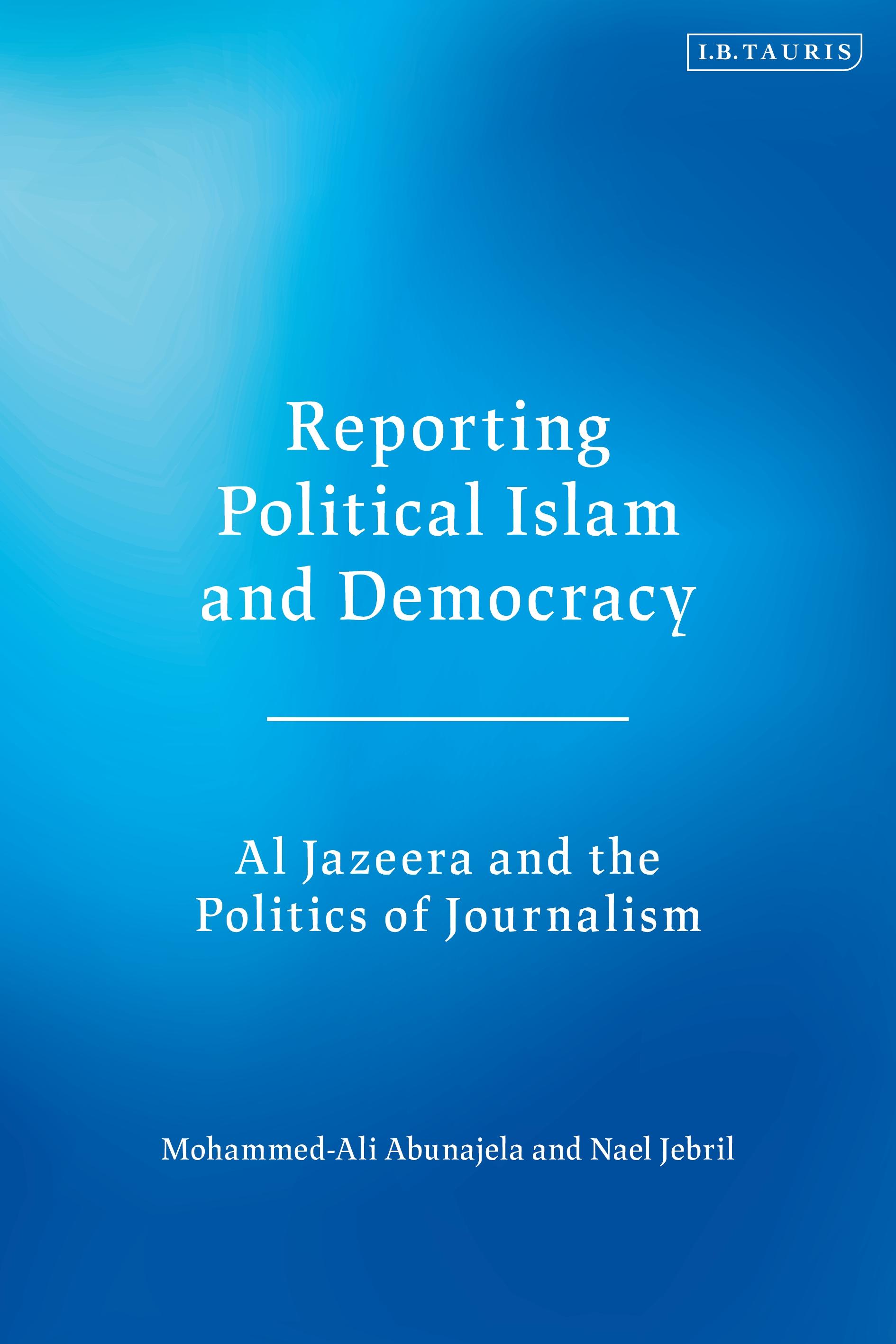
For over a decade, Al Jazeera (Arabic) occupied an unprecedented position among Arab audiences and families. Its attractive and daring news coverage has inspired millions of Arabs, and led other news channels to follow suit by changing their reporting narrative and presentational style. However, in the aftermath of the Arab uprisings in 2011, the close adoption of the Arab uprisings in general, and the Egyptian one in particular, made the channel fall into the eye of the public storm through its extensive 24-hour coverage.
This book assesses whether the channel systematically provided a platform for certain ideologies or ignored others, and if and how Al Jazeera's language had shifted after the 2011 Arab uprisings. It also explores the rationale behind adopting particular editorial principles featured in the analyses, and scrutinises the findings within the framework of media, religion and democratisation.
This book assesses whether the channel systematically provided a platform for certain ideologies or ignored others, and if and how Al Jazeera's language had shifted after the 2011 Arab uprisings. It also explores the rationale behind adopting particular editorial principles featured in the analyses, and scrutinises the findings within the framework of media, religion and democratisation.
Paga fácilmente con tarjeta, Klarna, Apple Pay o Google Pay. ¿No estás contento? Siempre tienes 14 días de garantía de devolución. Lee más en nuestros términos. Si tienes preguntas, escríbenos a hello@memmo.org.
Memmo hace que estudiar sea más fácil, estés donde estés. Aquí tienes tus libros de texto y herramientas de estudio inteligentes en un solo lugar: resúmenes, quizzes, podcasts y flashcards. Y también a Ted, tu compañero de estudio que responde a todo lo que te preguntes. Más de 50 000 estudiantes ya estudian aquí. Está hecho para que aprendas más rápido y te estreses menos.