
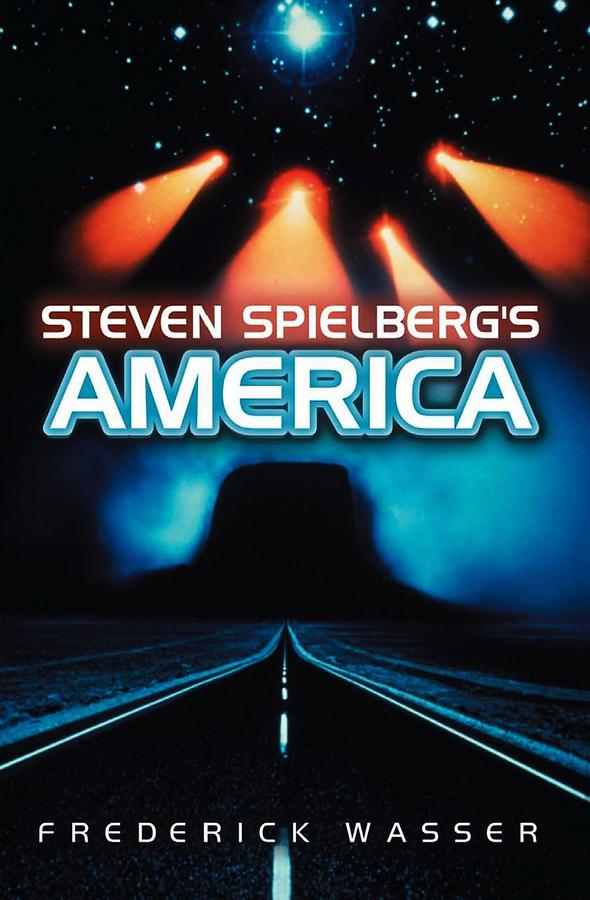
Spielberg’s early films were a triumphant emergence of the Sunbelt aesthetic that valued visceral kicks and basic emotions over the ambiguities of history. Such blockbusters have inspired much debate about their negative effect on politics and have been charged as being an expression of the corporatization of life. Here Frederick Wasser argues that the older Spielberg has not fully gone this way, suggesting that the filmmaker recycles the populist vision of older Hollywood because he sincerely believes in both big time moviemaking and liberal democracy. Nonetheless, his stories are burdened by his generation’s hostility to public life, and the book shows how he uses filmmaking tricks to keep his audience with him and to smooth over the ideological contradictions. His audiences have become more global, as his films engage history.
This fresh and provocative take on Spielberg in the context of globalization, rampant market capitalism and the hardening socio-political landscape of the United States will be fascinating reading for students of film and for anyone interested in contemporary America and its culture.
Paga fácilmente con tarjeta, Klarna, Apple Pay o Google Pay. ¿No estás contento? Siempre tienes 14 días de garantía de devolución. Lee más en nuestros términos. Si tienes preguntas, escríbenos a hello@memmo.org.
Memmo hace que estudiar sea más fácil, estés donde estés. Aquí tienes tus libros de texto y herramientas de estudio inteligentes en un solo lugar: resúmenes, quizzes, podcasts y flashcards. Y también a Ted, tu compañero de estudio que responde a todo lo que te preguntes. Más de 50 000 estudiantes ya estudian aquí. Está hecho para que aprendas más rápido y te estreses menos.