
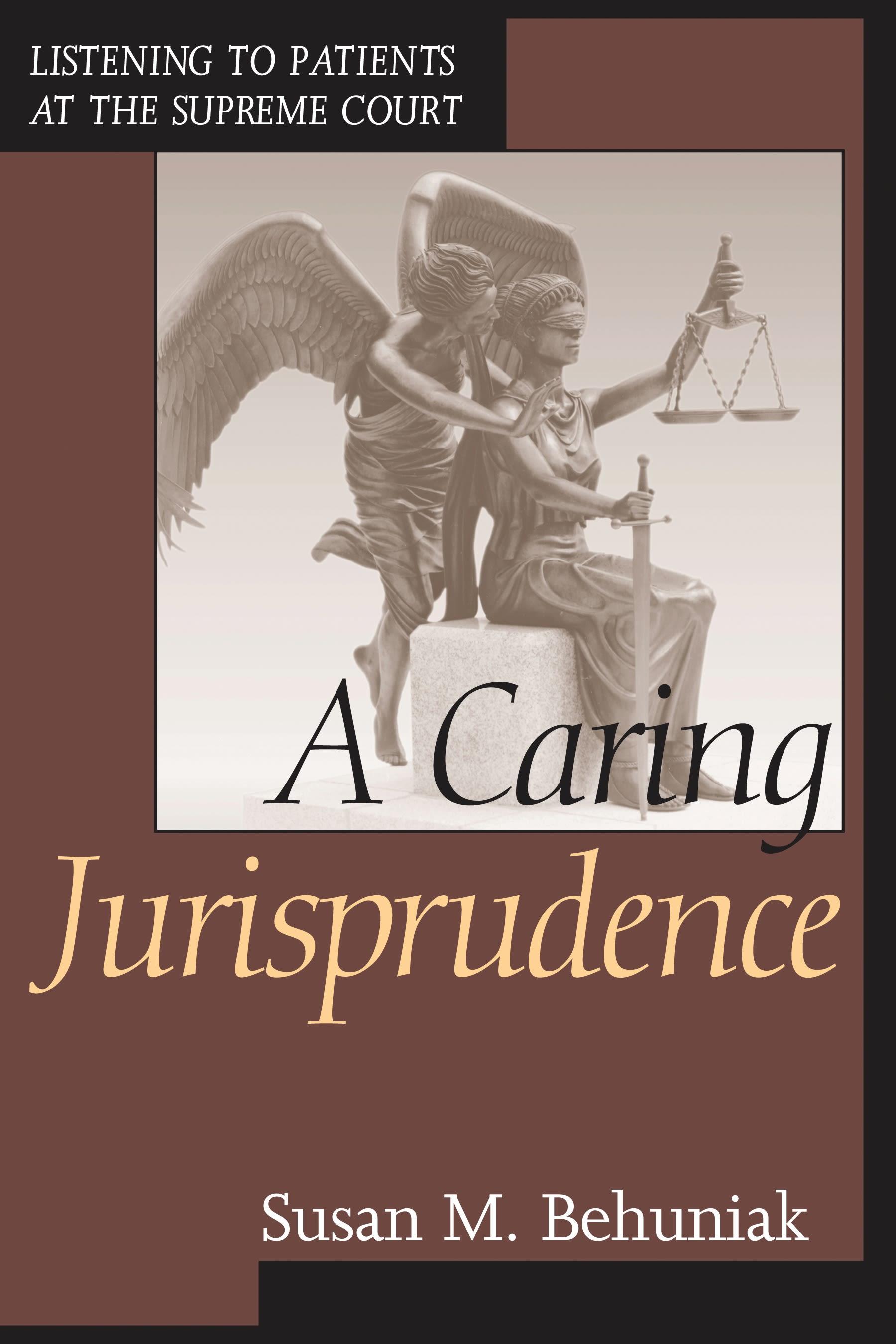
In deciding the abortion and physician assisted suicide cases, a majority of the Justices of the United States Supreme Court drew on medical knowledge to inform their opinions while dismissing the distinctively different knowledge offered by patients. Following the legal norms derived from the ethic of justice, the CourtOs deference toward the Ouniversal,O Oimpartial,O and OreasonedO knowledge of the medical profession and its disregard of the Oparticular,O Oinvolved,O and OemotionalO knowledge of patients seemed inevitable as well as justified. But was it? This book argues that it is both possible and proper to develop a jurisprudence capable of incorporating the knowledge of patients. Drawing on feminist scholarship, this book proposes a model for a Ocaring jurisprudenceO that integrates the ethic of justice and the ethic of care to ensure that patientsO knowledge is included in judicial decision making.
Paga fácilmente con tarjeta, Klarna, Apple Pay o Google Pay. ¿No estás contento? Siempre tienes 14 días de garantía de devolución. Lee más en nuestros términos. Si tienes preguntas, escríbenos a hello@memmo.org.
Memmo hace que estudiar sea más fácil, estés donde estés. Aquí tienes tus libros de texto y herramientas de estudio inteligentes en un solo lugar: resúmenes, quizzes, podcasts y flashcards. Y también a Ted, tu compañero de estudio que responde a todo lo que te preguntes. Más de 50 000 estudiantes ya estudian aquí. Está hecho para que aprendas más rápido y te estreses menos.