
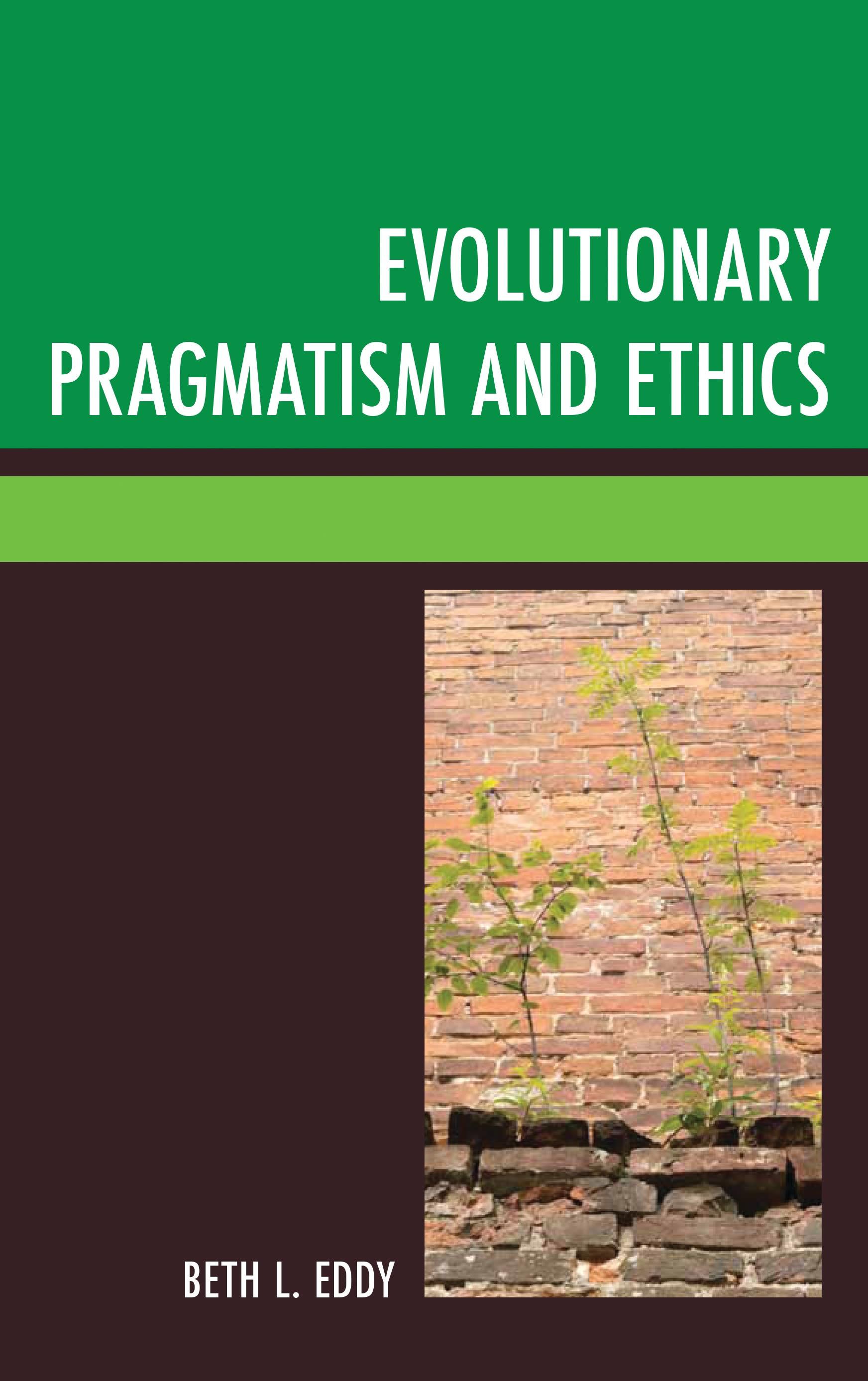
In the late nineteenth century, culture critics who were readers of Darwin’s work on evolution pondered what the implications of natural selection might be for human culture, religion and ethics. American pragmatists, by and large, rejected a social Darwinian spin on ethics, economics, and theology in favor of a less determinate humanist version of the ethical implications that emphasized contingency and meliorism. The early arguments between T. H. Huxley and William Sumner over the issues mirrors the contemporary arguments between Stephen Jay Gould and others against “the New Atheists’” determinate interpretation of cultural implications which largely echo the social Darwinists’ position but in the current language of sociobiology. The work of pragmatists such as William James, George Santayana, Jane Addams, and John Dewey detail an evolutionary perspective that rejects the moral implications of social Darwinism.
Paga fácilmente con tarjeta, Klarna, Apple Pay o Google Pay. ¿No estás contento? Siempre tienes 14 días de garantía de devolución. Lee más en nuestros términos. Si tienes preguntas, escríbenos a hello@memmo.org.
Memmo hace que estudiar sea más fácil, estés donde estés. Aquí tienes tus libros de texto y herramientas de estudio inteligentes en un solo lugar: resúmenes, quizzes, podcasts y flashcards. Y también a Ted, tu compañero de estudio que responde a todo lo que te preguntes. Más de 50 000 estudiantes ya estudian aquí. Está hecho para que aprendas más rápido y te estreses menos.