
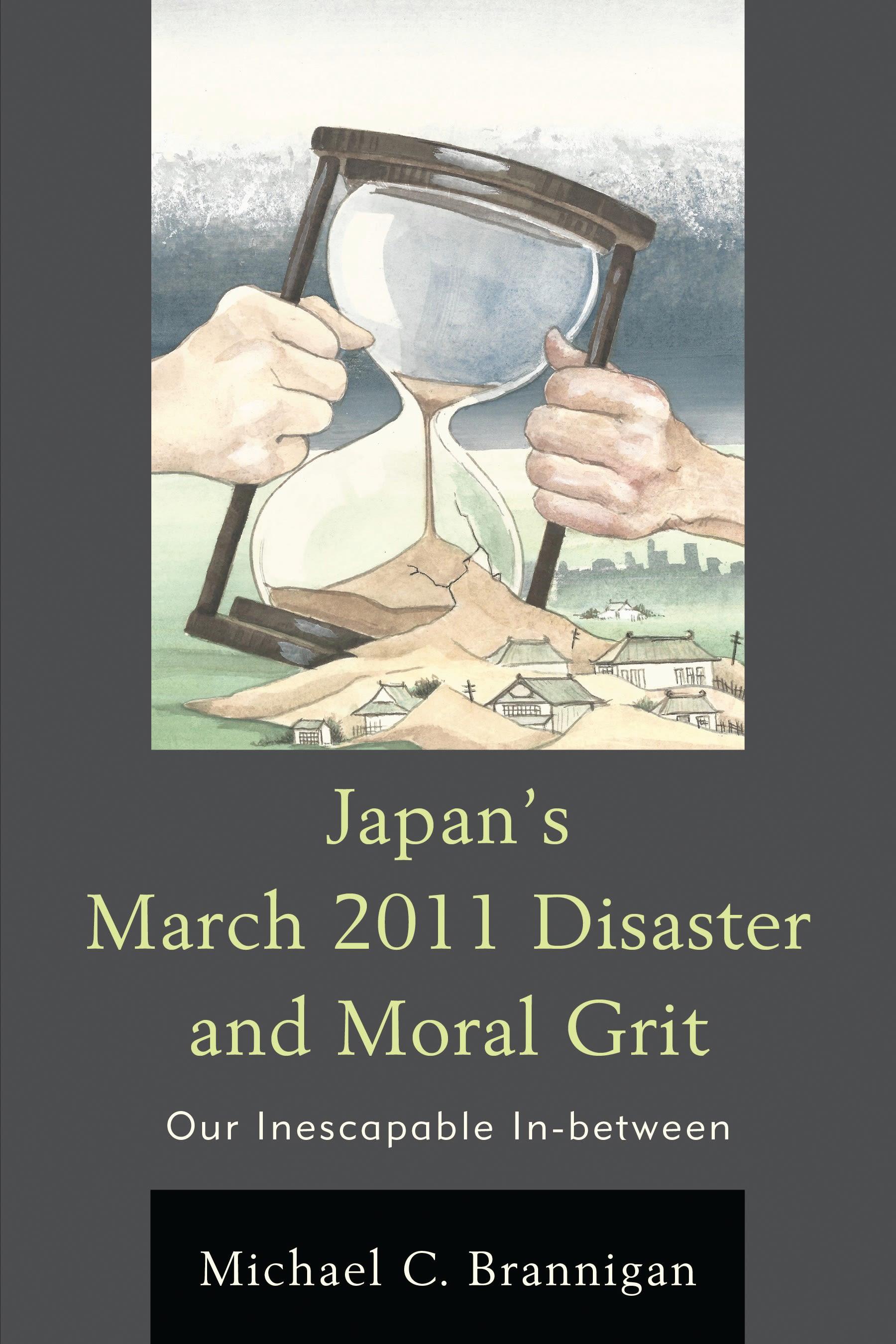
Japan’s March 11, 2011 triple horror of earthquake, tsunami, and nuclear meltdown is its worst catastrophe since Hiroshima and Nagasaki. Recovery remains an ongoing ordeal. Japan's Responses to the March 2011 Disaster: Our Inescapable In-between uncovers the pivotal role of longstanding cultural worldviews and their impact on responses to this gut-wrenching disaster. Through unpacking the pivotal notion in Japanese ethics of aidagara, or “in-betweenness,” it offers testament to a deep-rooted sense of community. Accounts from survivors, victims’ families, key city officials, and volunteers reveal a remarkable fiber of moral grit and resilience that sustains Japan’s common struggle to rally and carve a future with promise and hope.
Calamities snatch us out of the mundane and throw us into the intensity of the moment. They challenge our moral fiber. Trauma, individual and collective, is the uninvited litmus test of character, personal and social. Ultimately, whether a society rightfully recovers from disaster has to do with its degree of connectedness, the embodied physical, interpersonal, face-to-face engagement we have with each other. As these stories bring to light, along with Michael Brannigan’s extensive research, personal encounters with survivors, and experience as a volunteer in Japan’s stricken areas, our degree of connectedness determines how we in the long run weather the storm, whether the storm is natural, technological, or human. Ultimately, it illustrates that how we respond to and recover after the storm hinges upon how we are with each other before the storm.
Calamities snatch us out of the mundane and throw us into the intensity of the moment. They challenge our moral fiber. Trauma, individual and collective, is the uninvited litmus test of character, personal and social. Ultimately, whether a society rightfully recovers from disaster has to do with its degree of connectedness, the embodied physical, interpersonal, face-to-face engagement we have with each other. As these stories bring to light, along with Michael Brannigan’s extensive research, personal encounters with survivors, and experience as a volunteer in Japan’s stricken areas, our degree of connectedness determines how we in the long run weather the storm, whether the storm is natural, technological, or human. Ultimately, it illustrates that how we respond to and recover after the storm hinges upon how we are with each other before the storm.
Paga fácilmente con tarjeta, Klarna, Apple Pay o Google Pay. ¿No estás contento? Siempre tienes 14 días de garantía de devolución. Lee más en nuestros términos. Si tienes preguntas, escríbenos a hello@memmo.org.
Memmo hace que estudiar sea más fácil, estés donde estés. Aquí tienes tus libros de texto y herramientas de estudio inteligentes en un solo lugar: resúmenes, quizzes, podcasts y flashcards. Y también a Ted, tu compañero de estudio que responde a todo lo que te preguntes. Más de 50 000 estudiantes ya estudian aquí. Está hecho para que aprendas más rápido y te estreses menos.