
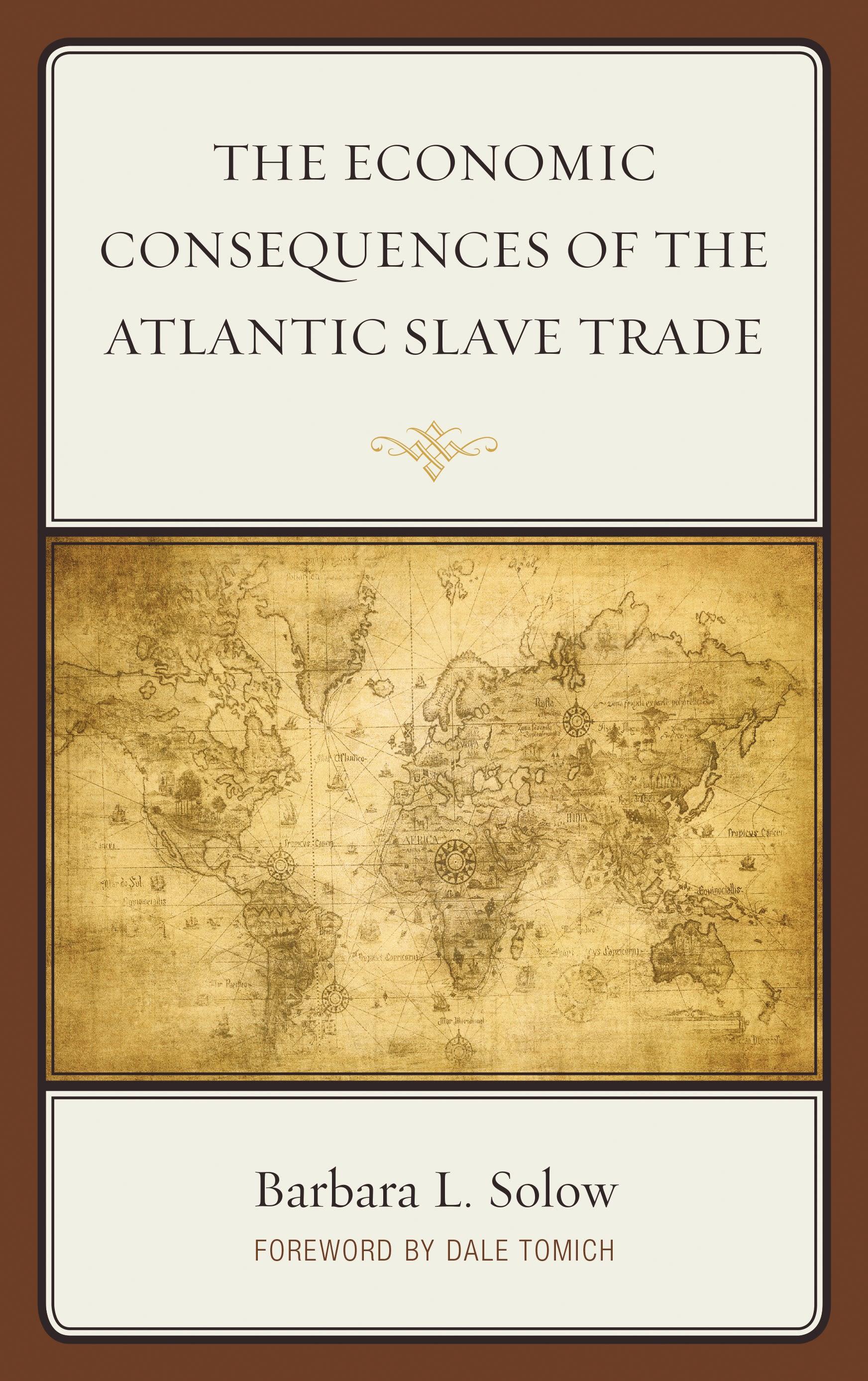
The Economic Consequences of the Atlantic Slave Trade shows how the West Indian slave/sugar/plantation complex, organized on capitalist principles of private property and profit-seeking, joined the western hemisphere to the international trading system encompassing Europe, Africa, North America, and the Caribbean, and was an important determinant of the timing and pattern of the Industrial Revolution in England. The new industrial economy was no longer dependent on slavery for development, but rested instead on investment and innovation. Solow argues that abolition of the slave trade and emancipation should be understood in this context.
Paga fácilmente con tarjeta, Klarna, Apple Pay o Google Pay. ¿No estás contento? Siempre tienes 14 días de garantía de devolución. Lee más en nuestros términos. Si tienes preguntas, escríbenos a hello@memmo.org.
Memmo hace que estudiar sea más fácil, estés donde estés. Aquí tienes tus libros de texto y herramientas de estudio inteligentes en un solo lugar: resúmenes, quizzes, podcasts y flashcards. Y también a Ted, tu compañero de estudio que responde a todo lo que te preguntes. Más de 50 000 estudiantes ya estudian aquí. Está hecho para que aprendas más rápido y te estreses menos.