
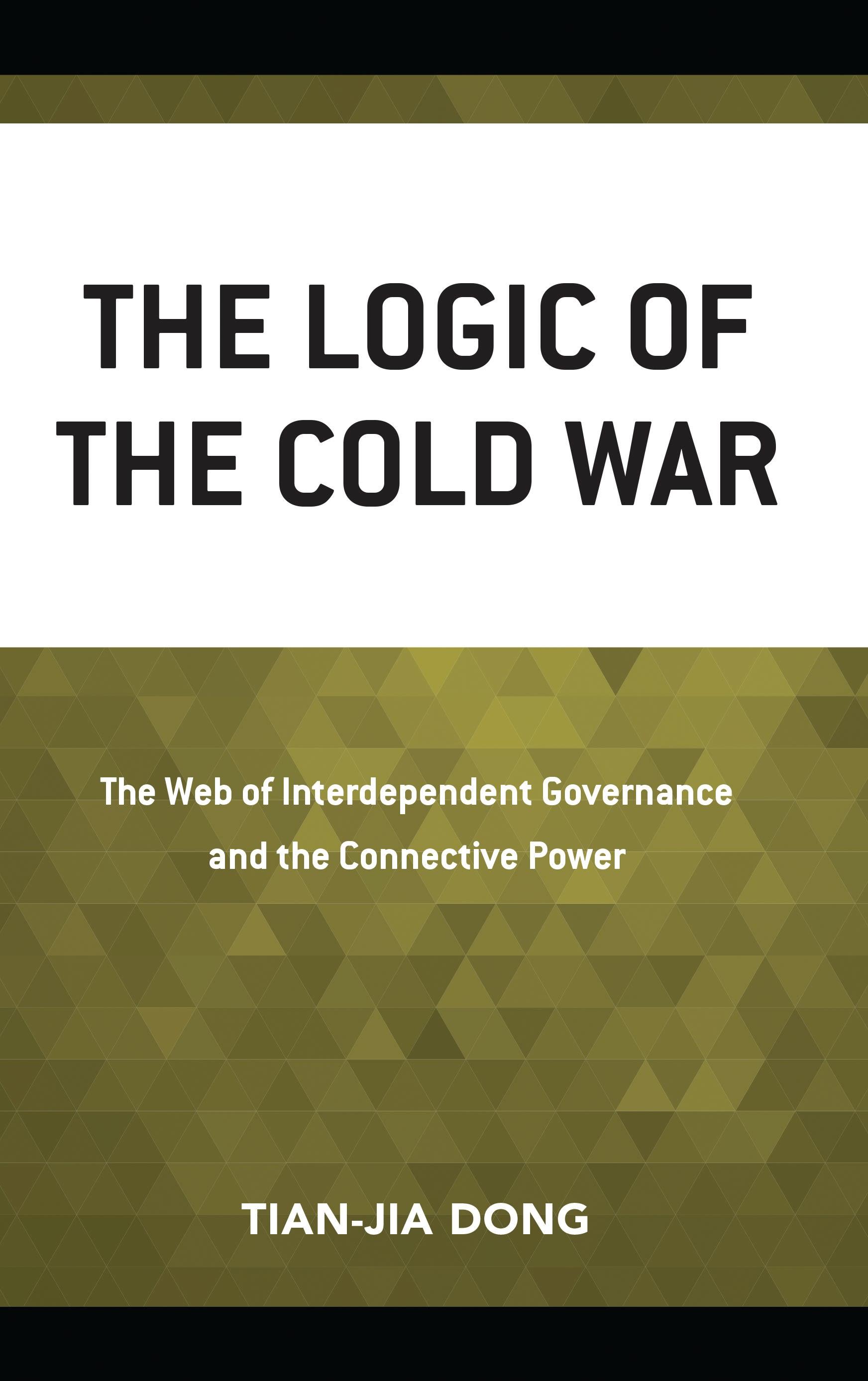
The Cold War revealed, for the first time in human history, the logic of human togetherness, which indicated that it was not only necessary for nation-states to live together but also possible for them to do so. The necessity was because of the inescapably shared vulnerability of “mutually assured destruction,” not only in terms of security but more so in economic well-being and political stability. The possibility was due to the unipolar world structure sustained by the global governance web of interdependent partnership which worked powerfully “between” the power agents to ensure the best of all possible world. This latent governance system was both hierarchical and dynamic because its power was “connective” in the sense that power was rooted in one another and the ability to be interdependent by empowering other power agents and sharing vulnerability at the same time was the way of becoming the “nucleus” on the global web of interdependent partners and hence gaining power in transforming one another connectively and governing the world collectively. George Kennan’s patience in building up hard and soft powers “within” individual power agents of the web and Wilson/Roosevelt’s institutionalization of collective power “above” each power agents contributed to the construction of the system. The Soviet big-brotherly governing type was proven a failure.
Paga fácilmente con tarjeta, Klarna, Apple Pay o Google Pay. ¿No estás contento? Siempre tienes 14 días de garantía de devolución. Lee más en nuestros términos. Si tienes preguntas, escríbenos a hello@memmo.org.
Memmo hace que estudiar sea más fácil, estés donde estés. Aquí tienes tus libros de texto y herramientas de estudio inteligentes en un solo lugar: resúmenes, quizzes, podcasts y flashcards. Y también a Ted, tu compañero de estudio que responde a todo lo que te preguntes. Más de 50 000 estudiantes ya estudian aquí. Está hecho para que aprendas más rápido y te estreses menos.