
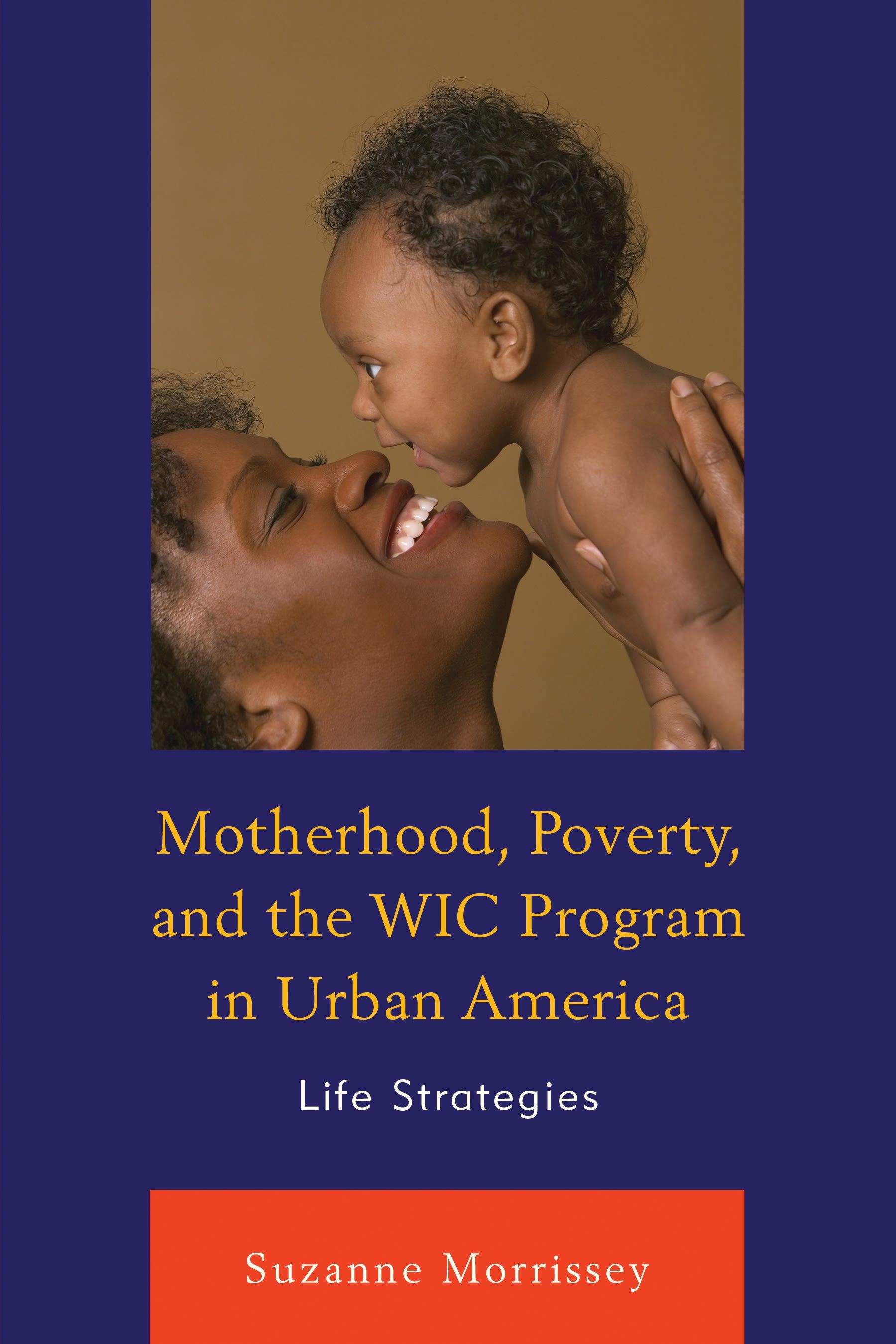
The study presented here is one of urban poverty, household survival, and social institutions that both enable and control the decision-making of poor women in America. First and foremost, it is about a public health program, the Special Supplemental Nutrition Program for Women, Infants, and Children, known more commonly as WIC, and how the institution re-inscribes persistent stereotypes of the urban poor on the women it eagerly wishes to serve. Despite encountering opposition and occasionally humiliation at the hands of those chosen to serve, many low-income women throughout the United States and Puerto Rico return to WIC every month because it represents a rite of passage that characterizes pregnancy. Enrolling in WIC prenatally signifies to others the importance of providing for one’s family in spite of socioeconomic disadvantage. Yet whether women access WIC benefits or not, their lived realities include a painful and enduring connection between urban poverty and health inequalities, particularly inequalities leading to poor birth outcomes and infant mortality, as explored in this urban ethnography.
Paga fácilmente con tarjeta, Klarna, Apple Pay o Google Pay. ¿No estás contento? Siempre tienes 14 días de garantía de devolución. Lee más en nuestros términos. Si tienes preguntas, escríbenos a hello@memmo.org.
Memmo hace que estudiar sea más fácil, estés donde estés. Aquí tienes tus libros de texto y herramientas de estudio inteligentes en un solo lugar: resúmenes, quizzes, podcasts y flashcards. Y también a Ted, tu compañero de estudio que responde a todo lo que te preguntes. Más de 50 000 estudiantes ya estudian aquí. Está hecho para que aprendas más rápido y te estreses menos.