
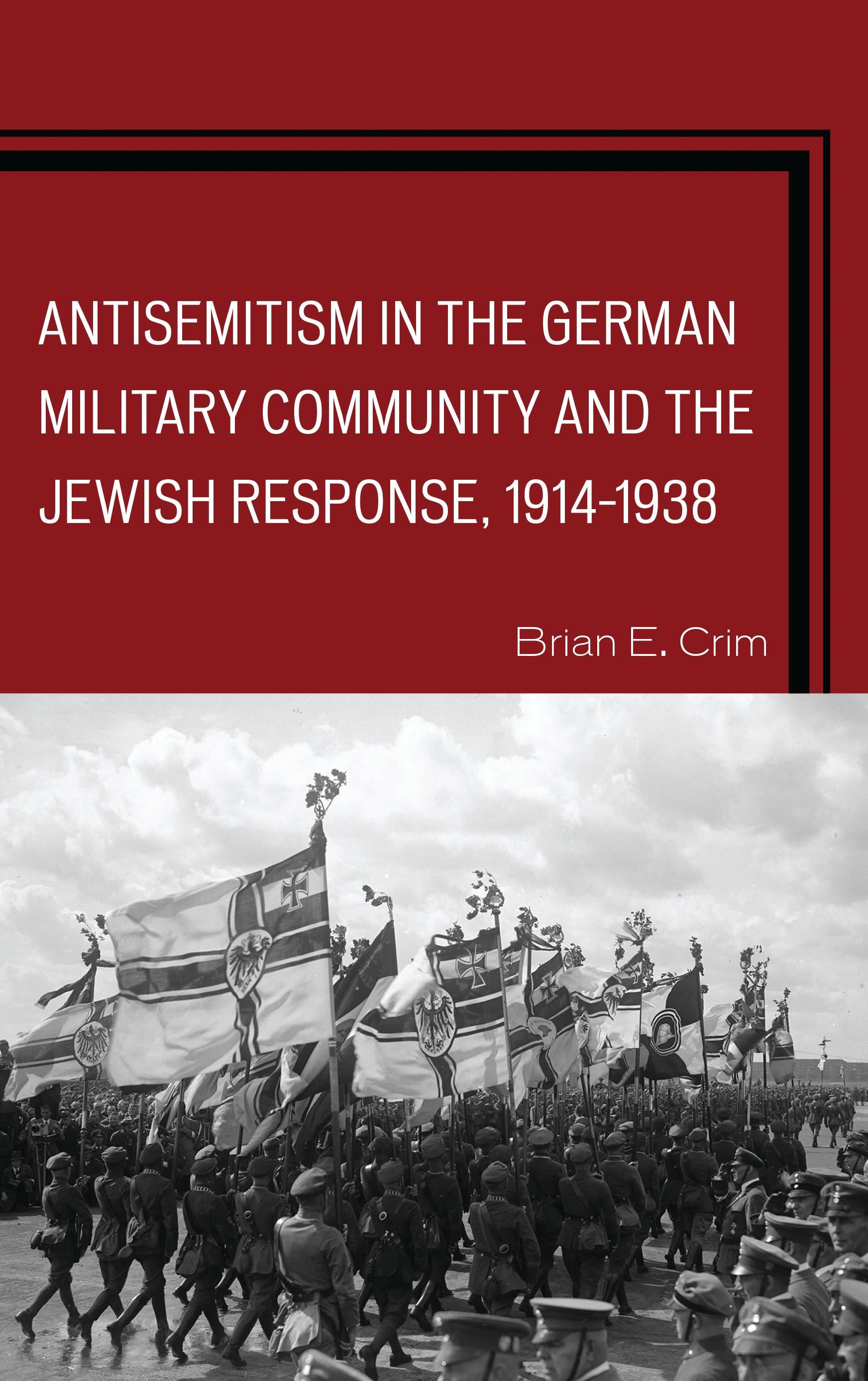
Antisemitism in the German Military Community and the Jewish Response, 1914–1938 explores how German World War I veterans from different social and political backgrounds contributed to antisemitic politics during the Weimar Republic. The book compares how the military, right-wing veterans, and Jewish veterans chose to remember their war experiences and translate these memories into a political reality in the postwar world. Antisemitism addresses several neglected issues.
First, there is relatively little scholarship discussing antisemitism in the imperial German army and the impact former imperial officers had on the antisemitic predilections of veteran associations. This subject deserves attention given that veteran politics during the Weimar Republic were of tremendous significance to the collapse of democracy and the rise of National Socialism, and that the primary architects of the Third Reich and the “Final Solution” were either World War I veterans or had been members of paramilitary organizations in the interwar period.
The second issue addressed is how veterans influenced the definition of “Aryan” identity, or how race came to be perceived through the prism of war and political violence. Since German Jews had to fight both accusations of shirking military service and the perception of the “Jew” as effeminate, the manner in which these veterans tried to reforge Jewish identity and their relationship with their former comrades is an extraordinarily important issue.
The third issue concerns situational antisemitism, or the process by which an organization expressed an opinion or policy concerning Jews in response to internal dissension and external influences.
First, there is relatively little scholarship discussing antisemitism in the imperial German army and the impact former imperial officers had on the antisemitic predilections of veteran associations. This subject deserves attention given that veteran politics during the Weimar Republic were of tremendous significance to the collapse of democracy and the rise of National Socialism, and that the primary architects of the Third Reich and the “Final Solution” were either World War I veterans or had been members of paramilitary organizations in the interwar period.
The second issue addressed is how veterans influenced the definition of “Aryan” identity, or how race came to be perceived through the prism of war and political violence. Since German Jews had to fight both accusations of shirking military service and the perception of the “Jew” as effeminate, the manner in which these veterans tried to reforge Jewish identity and their relationship with their former comrades is an extraordinarily important issue.
The third issue concerns situational antisemitism, or the process by which an organization expressed an opinion or policy concerning Jews in response to internal dissension and external influences.
Paga fácilmente con tarjeta, Klarna, Apple Pay o Google Pay. ¿No estás contento? Siempre tienes 14 días de garantía de devolución. Lee más en nuestros términos. Si tienes preguntas, escríbenos a hello@memmo.org.
Memmo hace que estudiar sea más fácil, estés donde estés. Aquí tienes tus libros de texto y herramientas de estudio inteligentes en un solo lugar: resúmenes, quizzes, podcasts y flashcards. Y también a Ted, tu compañero de estudio que responde a todo lo que te preguntes. Más de 50 000 estudiantes ya estudian aquí. Está hecho para que aprendas más rápido y te estreses menos.