
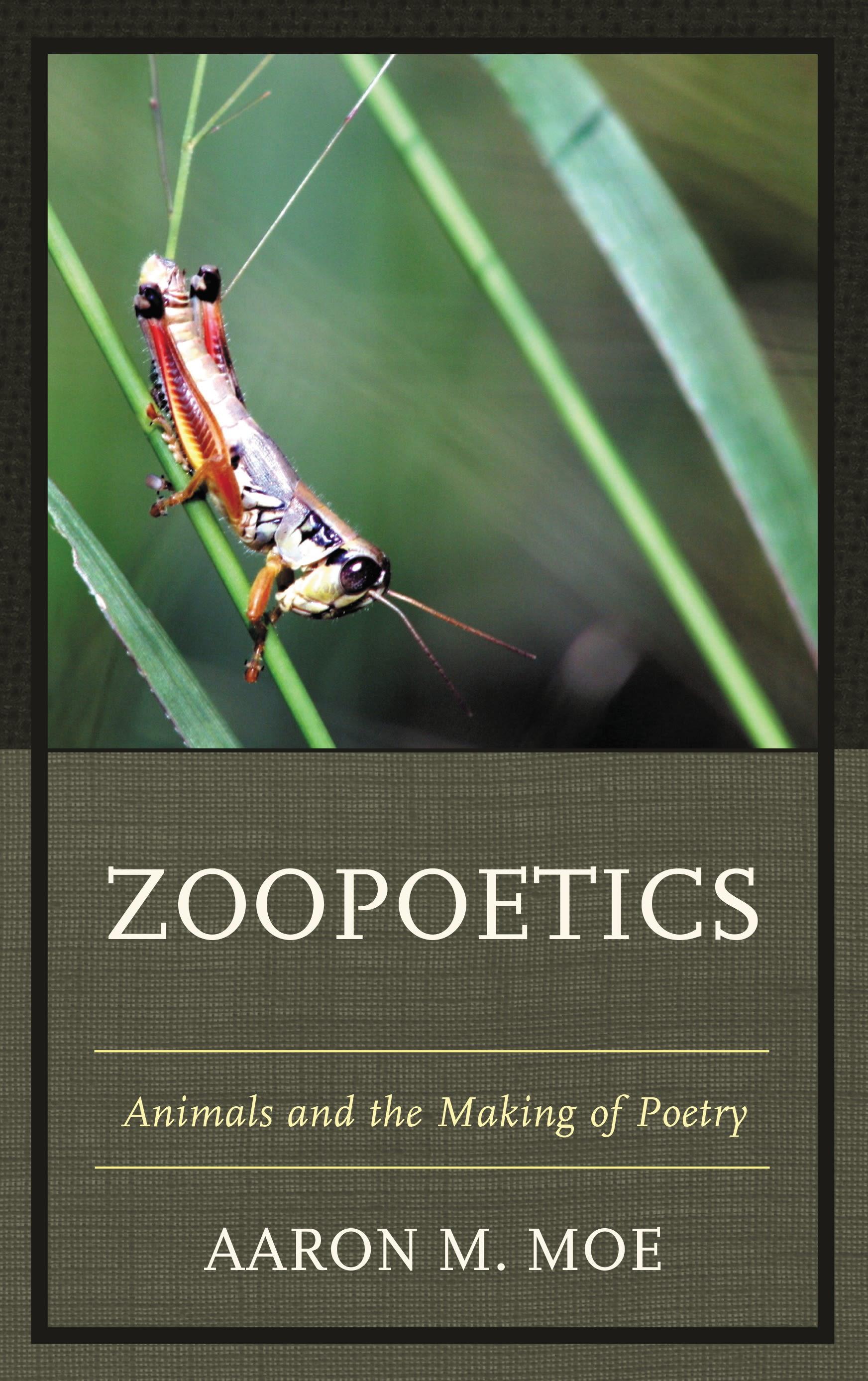
Zoopoetics assumes Aristotle was right. The general origin of poetry resides, in part, in the instinct to imitate. But it is an innovative imitation. An exploration of the oeuvres of Walt Whitman, E. E. Cummings, W. S. Merwin, and Brenda Hillman reveals the many places where an imitation of another species’ poiesis (Greek, makings) contributes to breakthroughs in poetic form. However, humans are not the only imitators in the animal kingdom. Other species, too, achieve breakthroughs in their makings through an attentiveness to the ways-of-being of other animals. For this reason, mimic octopi, elephants, beluga whales, and many other species join the exploration of what zoopoetics encompasses. Zoopoetics provides further traction for people interested in the possibilities when and where species meet.
Gestures are paramount to zoopoetics. Through the interplay of gestures, the human/animal/textual spheres merge making it possible to recognize how actual, biological animals impact the material makings of poetry. Moreover, as many species are makers, zoopoetics expands the poetic tradition to include nonhuman poiesis.
Gestures are paramount to zoopoetics. Through the interplay of gestures, the human/animal/textual spheres merge making it possible to recognize how actual, biological animals impact the material makings of poetry. Moreover, as many species are makers, zoopoetics expands the poetic tradition to include nonhuman poiesis.
Paga fácilmente con tarjeta, Klarna, Apple Pay o Google Pay. ¿No estás contento? Siempre tienes 14 días de garantía de devolución. Lee más en nuestros términos. Si tienes preguntas, escríbenos a hello@memmo.org.
Memmo hace que estudiar sea más fácil, estés donde estés. Aquí tienes tus libros de texto y herramientas de estudio inteligentes en un solo lugar: resúmenes, quizzes, podcasts y flashcards. Y también a Ted, tu compañero de estudio que responde a todo lo que te preguntes. Más de 50 000 estudiantes ya estudian aquí. Está hecho para que aprendas más rápido y te estreses menos.