
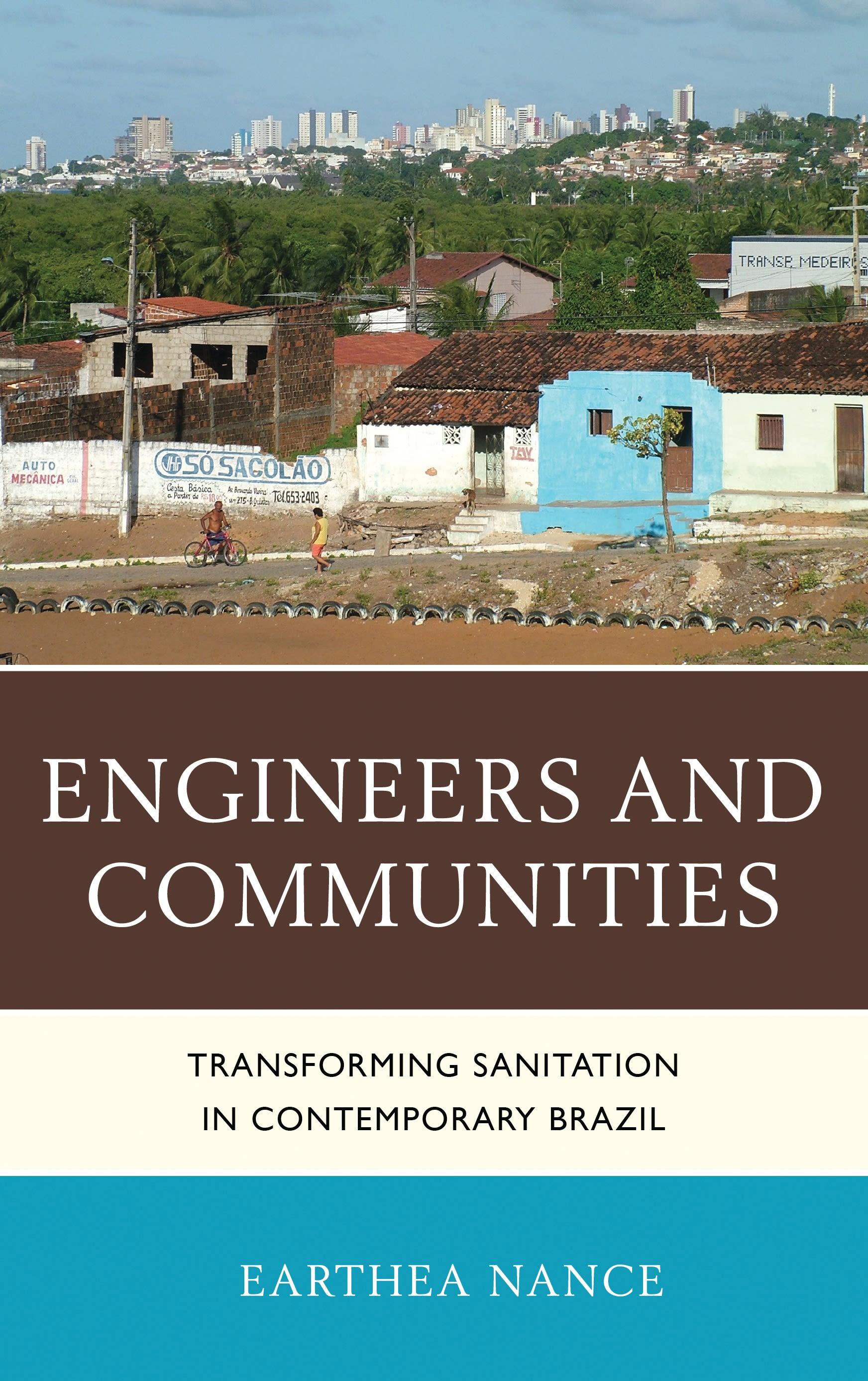
Access to water and sanitation service in industrialized countries is nearly taken for granted, but in many developing countries less than half of the population has access to such services. Decades of effort on a global scale have been invested to solve this problem. One such effort—Brazil’s participatory approach to water and sanitation—is Nance’s subject in Engineers and Communities. In the early 1980s, Brazilian engineers created participatory sanitation (known locally as condominial sewerage) to make basic sanitation service more inclusive. Fiercely contested at first, the technology’s success hinged on the formation of strong and stable coalitions of diverse actors and on the promotion of both real participation and a participation narrative. The innovations described in the book contributed to the now indispensable concepts of community participation and locally appropriate technology. Today the technology has spread across Brazil- it has been legally incorporated into sewer design norms and codes, it is counted in the national census, and the model is being transferred to other countries by The World Bank and others who are trying to make basic urban services more inclusive of the poor. Engineers and Communities sheds light on what is essential in the broader discourse of international development.
Paga fácilmente con tarjeta, Klarna, Apple Pay o Google Pay. ¿No estás contento? Siempre tienes 14 días de garantía de devolución. Lee más en nuestros términos. Si tienes preguntas, escríbenos a hello@memmo.org.
Memmo hace que estudiar sea más fácil, estés donde estés. Aquí tienes tus libros de texto y herramientas de estudio inteligentes en un solo lugar: resúmenes, quizzes, podcasts y flashcards. Y también a Ted, tu compañero de estudio que responde a todo lo que te preguntes. Más de 50 000 estudiantes ya estudian aquí. Está hecho para que aprendas más rápido y te estreses menos.