
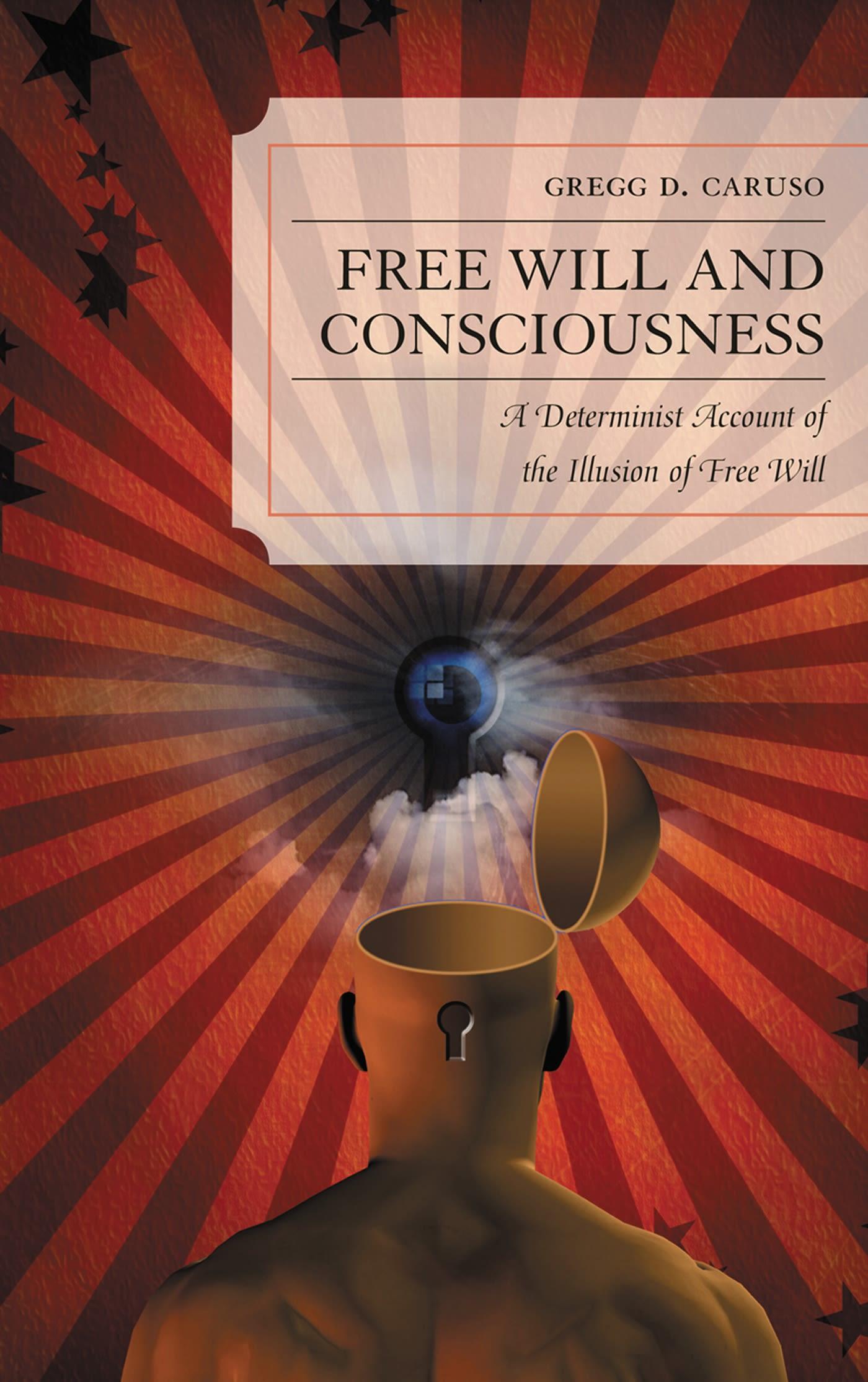
In recent decades, with advances in the behavioral, cognitive, and neurosciences, the idea that patterns of human behavior may ultimately be due to factors beyond our conscious control has increasingly gained traction and renewed interest in the age-old problem of free will. In this book, Gregg D. Caruso examines both the traditional philosophical problems long associated with the question of free will, such as the relationship between determinism and free will, as well as recent experimental and theoretical work directly related to consciousness and human agency. He argues that our best scientific theories indeed have the consequence that factors beyond our control produce all of the actions we perform and that because of this we do not possess the kind of free will required for genuine or ultimate responsibility. It is further argued that the strong and pervasive belief in free will, which the author considers an illusion, can be accounted for through a careful analysis of our phenomenology and a proper theoretical understanding of consciousness. Indeed, the primary goal of this book is to argue that our subjective feeling of freedom, as reflected in the first-person phenomenology of agentive experience, is an illusion created by certain aspects of our consciousness.
Paga fácilmente con tarjeta, Klarna, Apple Pay o Google Pay. ¿No estás contento? Siempre tienes 14 días de garantía de devolución. Lee más en nuestros términos. Si tienes preguntas, escríbenos a hello@memmo.org.
Memmo hace que estudiar sea más fácil, estés donde estés. Aquí tienes tus libros de texto y herramientas de estudio inteligentes en un solo lugar: resúmenes, quizzes, podcasts y flashcards. Y también a Ted, tu compañero de estudio que responde a todo lo que te preguntes. Más de 50 000 estudiantes ya estudian aquí. Está hecho para que aprendas más rápido y te estreses menos.