
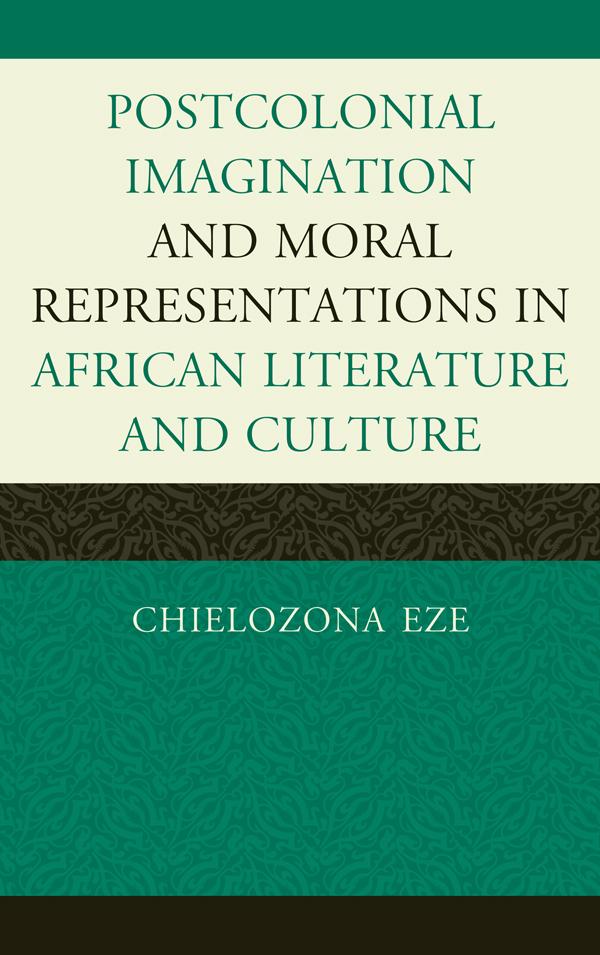
The postcolonial African culture, as it is discoursed in the academia, is largely influenced by Africa’s response to colonialism. To the degree that it is a response, it is to considerably reactive, and lacks forceful moral incentives for social critical consciousness and nation-building. Quite on the contrary, it allows especially African political leaders to luxuriate in the delusions of moral rectitude, imploring, at will, the evil of imperialism as a buffer to their disregard of their people. This book acknowledges the social and psychological devastations of colonialism on the African world. It, however, argues that the totality of African intellectual response to colonialism and Western imperialism is equally, if not more, damaging to the African world. In what ways does the average African leader, indeed, the average African, judge and respond to his world? How does he conceive of his responsibility towards his community and society?
The most obvious impact of African response to colonialism is the implicit search for a pristine, innocent paradigm in, for instance, literary, philosophical, social, political and gender studies. This search has its own moral implication in the sense that it makes the taking of responsibility on individual and social level highly difficult. Focusing on the moral impact of responses to colonialism in Africa and the African Diaspora, this book analyzes the various manifestations of delusions of moral innocence that has held the African leadership from the onerous task of bearing responsibility for their countries; it argues that one of the ways to recast the African leaders’ responsibility towards Africa is to let go, on the one hand, the gaze of the West, and on the other, of the search for the innocent African experience and cultures.
Relying on the insights of thinkers such as Frantz Fanon, Wole Soyinka, Kwame Anthony Appiah, Achille Mbembe and Wolgang Welsch, this book suggests new approaches to interpreting African experiences. It discusses select African works of fiction as a paradigm for new interpretations of African experiences.
The most obvious impact of African response to colonialism is the implicit search for a pristine, innocent paradigm in, for instance, literary, philosophical, social, political and gender studies. This search has its own moral implication in the sense that it makes the taking of responsibility on individual and social level highly difficult. Focusing on the moral impact of responses to colonialism in Africa and the African Diaspora, this book analyzes the various manifestations of delusions of moral innocence that has held the African leadership from the onerous task of bearing responsibility for their countries; it argues that one of the ways to recast the African leaders’ responsibility towards Africa is to let go, on the one hand, the gaze of the West, and on the other, of the search for the innocent African experience and cultures.
Relying on the insights of thinkers such as Frantz Fanon, Wole Soyinka, Kwame Anthony Appiah, Achille Mbembe and Wolgang Welsch, this book suggests new approaches to interpreting African experiences. It discusses select African works of fiction as a paradigm for new interpretations of African experiences.
Páginas: 178
Categoría: Kultur-, Genus- & Postkoloniala studier
e-ISBN: 9780739145081
Peso de envío: 1.2 kg
Envío en: 1-2 días
Paga fácilmente con tarjeta, Klarna, Apple Pay o Google Pay. ¿No estás contento? Siempre tienes 14 días de garantía de devolución. Lee más en nuestros términos. Si tienes preguntas, escríbenos a hello@memmo.org.
Memmo hace que estudiar sea más fácil, estés donde estés. Aquí tienes tus libros de texto y herramientas de estudio inteligentes en un solo lugar: resúmenes, quizzes, podcasts y flashcards. Y también a Ted, tu compañero de estudio que responde a todo lo que te preguntes. Más de 50 000 estudiantes ya estudian aquí. Está hecho para que aprendas más rápido y te estreses menos.