
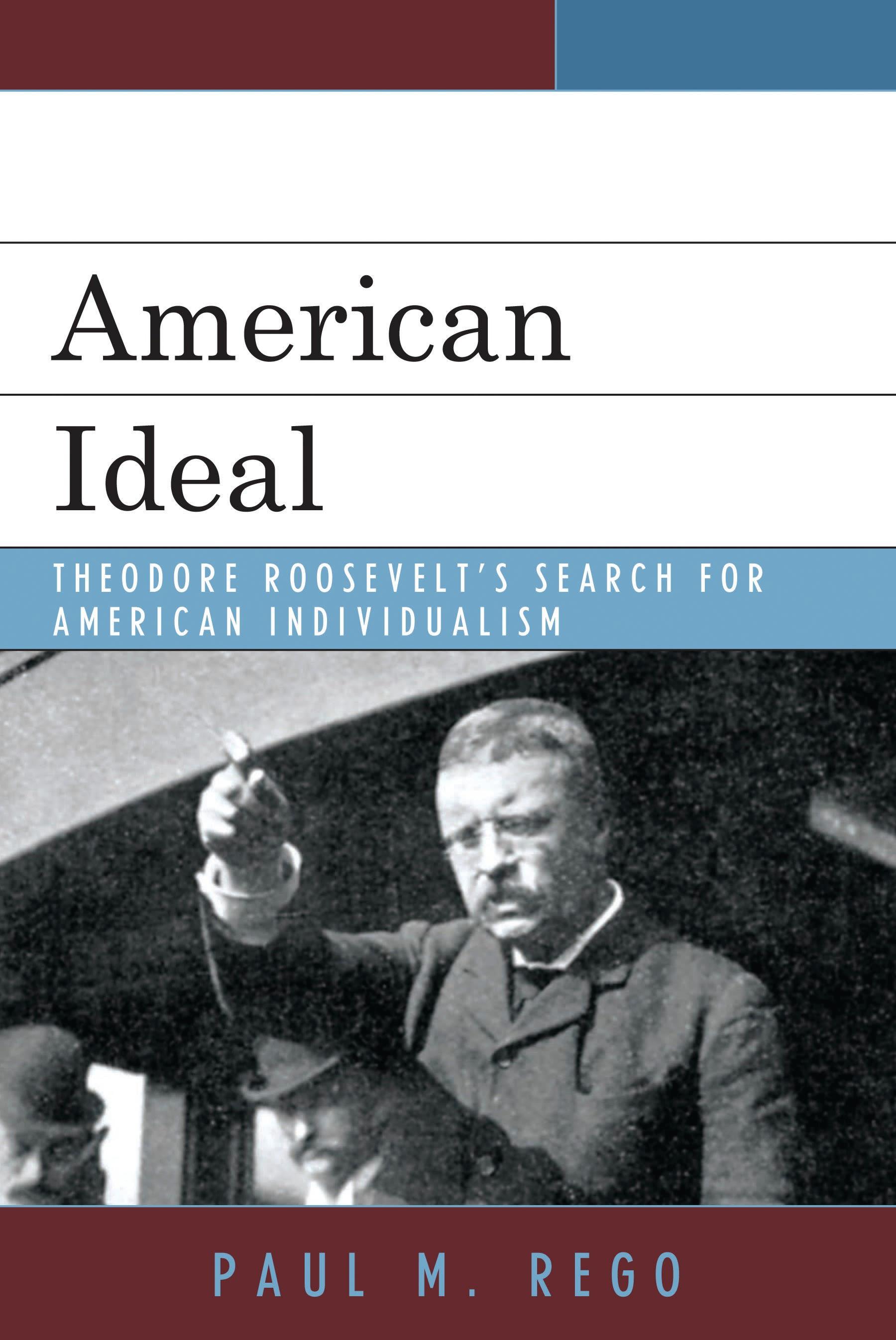
This book examines the political thought of Theodore Roosevelt, specifically his ceaseless desire and effort to reconcile America's individualistic tradition with the more collectivistic ideals of his Progressive brethren. Many scholars and lay-people alike cast Roosevelt as either "conservative" or "liberal," but his political thought defies so simple an interpretation; it was more nuanced and had a larger purpose than mere ideology. A thorough study of Roosevelt's writings reveals his conviction that the concepts of personal autonomy and civic concern were not mutually exclusive.
In fact, Roosevelt argued that it was because the principles of self-reliance and personal freedom were important that it was sometimes necessary for the entire community to use its collective power-and, in some cases, the institutions of the government-to enable individuals to do what they could not do alone. Moreover, while Roosevelt advocated and was responsible for a great expansion in the regulatory powers of the national government, he understood, in contrast to many other Progressive reformers, that inspirational rhetoric and positive example could be as good as institutional reform and the force of law in compelling individuals to support one another in a spirit of civic attachment. In his public writings, Roosevelt sought to shape the American mind in ways that he thought proper. Even his writings on nature, hunting, ranching, and military life were part of his political thought in that they were intended to teach Americans about the importance of balancing those individualistic values that are healthy and vital to a society (discipline, personal responsibility, and a strong work ethic) with such positive collectivistic values as an appreciation for mutual support and a concern for the good of the community.
In fact, Roosevelt argued that it was because the principles of self-reliance and personal freedom were important that it was sometimes necessary for the entire community to use its collective power-and, in some cases, the institutions of the government-to enable individuals to do what they could not do alone. Moreover, while Roosevelt advocated and was responsible for a great expansion in the regulatory powers of the national government, he understood, in contrast to many other Progressive reformers, that inspirational rhetoric and positive example could be as good as institutional reform and the force of law in compelling individuals to support one another in a spirit of civic attachment. In his public writings, Roosevelt sought to shape the American mind in ways that he thought proper. Even his writings on nature, hunting, ranching, and military life were part of his political thought in that they were intended to teach Americans about the importance of balancing those individualistic values that are healthy and vital to a society (discipline, personal responsibility, and a strong work ethic) with such positive collectivistic values as an appreciation for mutual support and a concern for the good of the community.
Páginas: 250
Categoría: Statsvetenskap & Politik
e-ISBN: 9780739140949
Peso de envío: 1.2 kg
Envío en: 1-2 días
Paga fácilmente con tarjeta, Klarna, Apple Pay o Google Pay. ¿No estás contento? Siempre tienes 14 días de garantía de devolución. Lee más en nuestros términos. Si tienes preguntas, escríbenos a hello@memmo.org.
Memmo hace que estudiar sea más fácil, estés donde estés. Aquí tienes tus libros de texto y herramientas de estudio inteligentes en un solo lugar: resúmenes, quizzes, podcasts y flashcards. Y también a Ted, tu compañero de estudio que responde a todo lo que te preguntes. Más de 50 000 estudiantes ya estudian aquí. Está hecho para que aprendas más rápido y te estreses menos.