
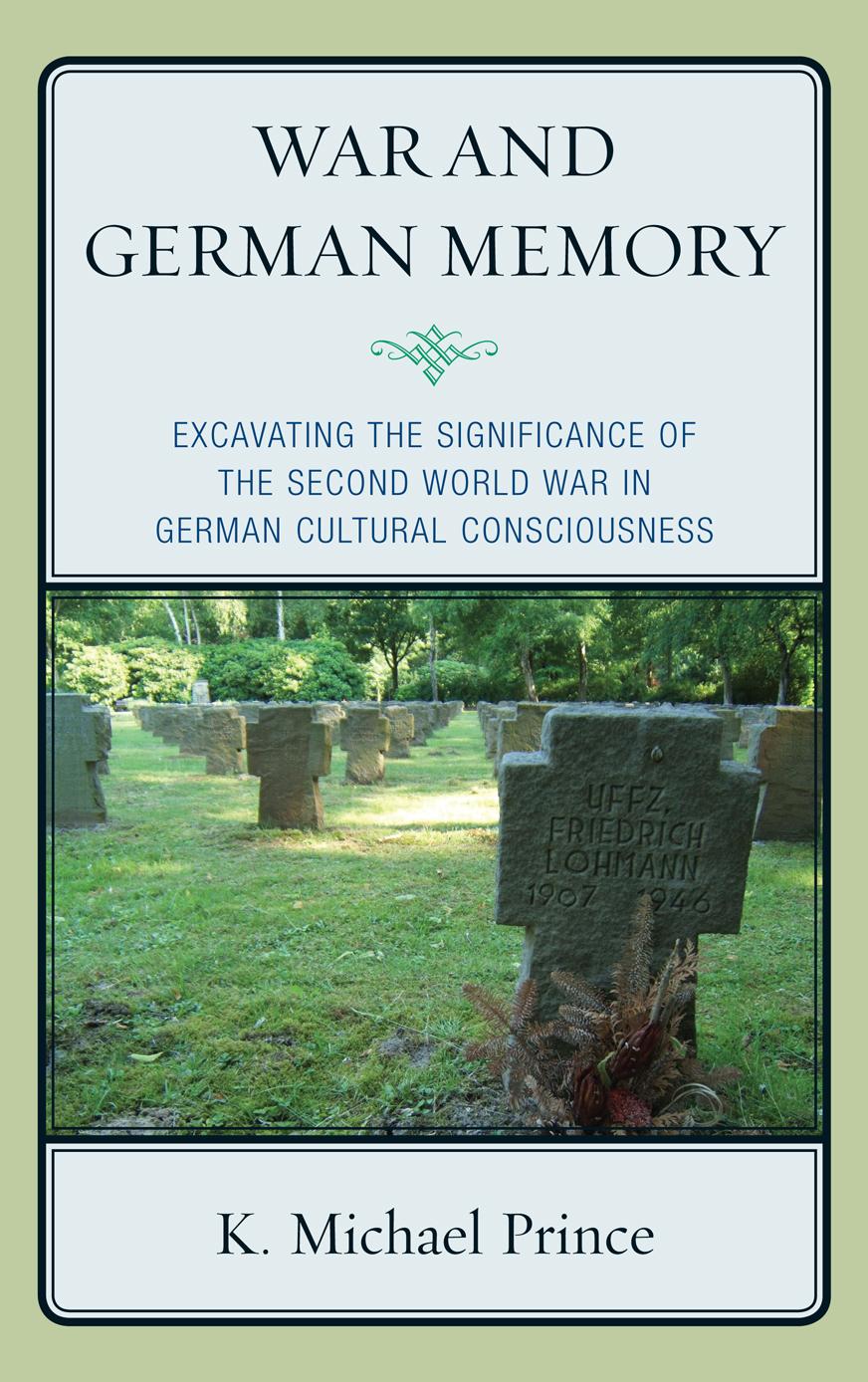
Germans often claim that "we have learned the lessons of our history." But what, precisely, are the lessons they have drawn from their Nazi-era past? What experiences from that time continue to hold significant meaning for Germans today, and how have those experiences shaped postwar German cultural identity? Though Germans have come to recognize the evils of Nazism, for them, its primary evil derived from the war it unleashed and the hardships, death, and destruction that the war wrought on the Germans themselves, and less from the losses and suffering it caused others.
Recent public discussion about the Allied bombing campaign against Germany, the expulsion of Germans from Eastern Europe, and other German experiences during and following the Second World War have revealed what some see as an emerging tendency among Germans to perceive themselves as much the victims of wartime acts as other peoples. Through a survey of postwar literature, film, and other popular media, as well as public commemorations and other means of memorializing and discussing the past, K. Michael Prince demonstrates that the theme of German suffering has been an abiding and even overriding element of postwar German historical memory and a chief component of German cultural identity. While academics have focused their attention on Nazism, atrocity and genocide, and while Germany's official ceremonies and other acts of public memory have been similarly directed, it was the wartime sufferings of average Germans that have remained at the core of German historical consciousness, influencing their attitudes toward war in general and shaping Germany's role in world affairs.
Recent public discussion about the Allied bombing campaign against Germany, the expulsion of Germans from Eastern Europe, and other German experiences during and following the Second World War have revealed what some see as an emerging tendency among Germans to perceive themselves as much the victims of wartime acts as other peoples. Through a survey of postwar literature, film, and other popular media, as well as public commemorations and other means of memorializing and discussing the past, K. Michael Prince demonstrates that the theme of German suffering has been an abiding and even overriding element of postwar German historical memory and a chief component of German cultural identity. While academics have focused their attention on Nazism, atrocity and genocide, and while Germany's official ceremonies and other acts of public memory have been similarly directed, it was the wartime sufferings of average Germans that have remained at the core of German historical consciousness, influencing their attitudes toward war in general and shaping Germany's role in world affairs.
Paga fácilmente con tarjeta, Klarna, Apple Pay o Google Pay. ¿No estás contento? Siempre tienes 14 días de garantía de devolución. Lee más en nuestros términos. Si tienes preguntas, escríbenos a hello@memmo.org.
Memmo hace que estudiar sea más fácil, estés donde estés. Aquí tienes tus libros de texto y herramientas de estudio inteligentes en un solo lugar: resúmenes, quizzes, podcasts y flashcards. Y también a Ted, tu compañero de estudio que responde a todo lo que te preguntes. Más de 50 000 estudiantes ya estudian aquí. Está hecho para que aprendas más rápido y te estreses menos.