
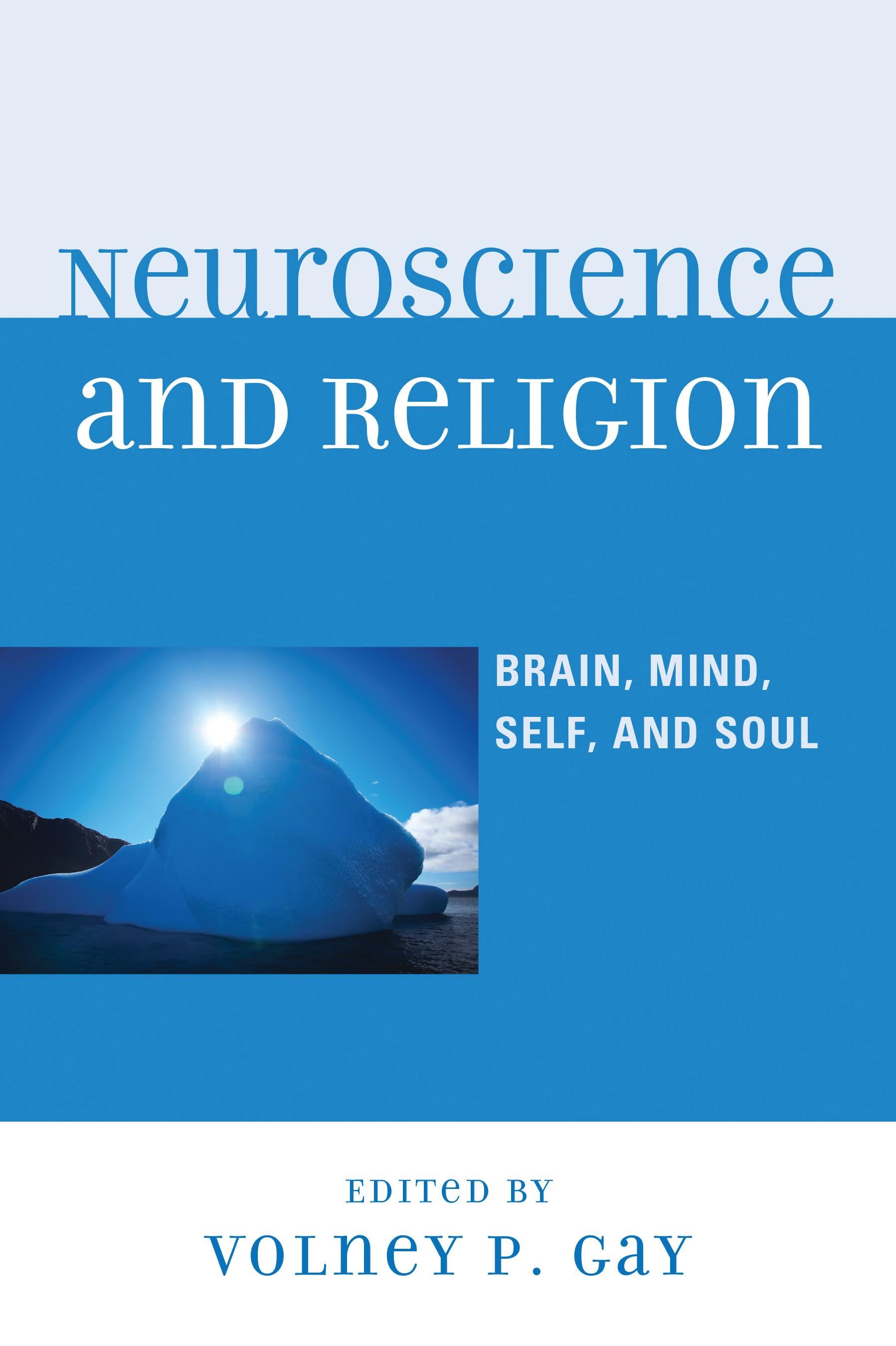
For religious persons, the notion of human being is tied inextricably to the notion of God (or the gods) and turns on this question: what is human being? How did we, with our almost infinite capacities for thought, change, and domination, come to be? Imbued with powers far beyond any other animal, humans are too faulty to be considered gods themselves. Yet, the idea of God (or the gods) appears in all distinctive human cultures: it names the other pole of human-it designates a being who realizes perfectly our imperfectly realized nature.
With the rise of new sciences come ancient anxieties about how we should define human being. In the nineteenth century, electricity and magnetism fascinated experts and captivated the lay public. In the twenty-first century, advances in neuroscience open up vast new possibilities of mimicking, and perhaps emulating human being. In this book twelve scholars and scientists ask what-if anything-distinguishes Brain from Mind, and Mind from Self and Soul.
With the rise of new sciences come ancient anxieties about how we should define human being. In the nineteenth century, electricity and magnetism fascinated experts and captivated the lay public. In the twenty-first century, advances in neuroscience open up vast new possibilities of mimicking, and perhaps emulating human being. In this book twelve scholars and scientists ask what-if anything-distinguishes Brain from Mind, and Mind from Self and Soul.
Paga fácilmente con tarjeta, Klarna, Apple Pay o Google Pay. ¿No estás contento? Siempre tienes 14 días de garantía de devolución. Lee más en nuestros términos. Si tienes preguntas, escríbenos a hello@memmo.org.
Memmo hace que estudiar sea más fácil, estés donde estés. Aquí tienes tus libros de texto y herramientas de estudio inteligentes en un solo lugar: resúmenes, quizzes, podcasts y flashcards. Y también a Ted, tu compañero de estudio que responde a todo lo que te preguntes. Más de 50 000 estudiantes ya estudian aquí. Está hecho para que aprendas más rápido y te estreses menos.