
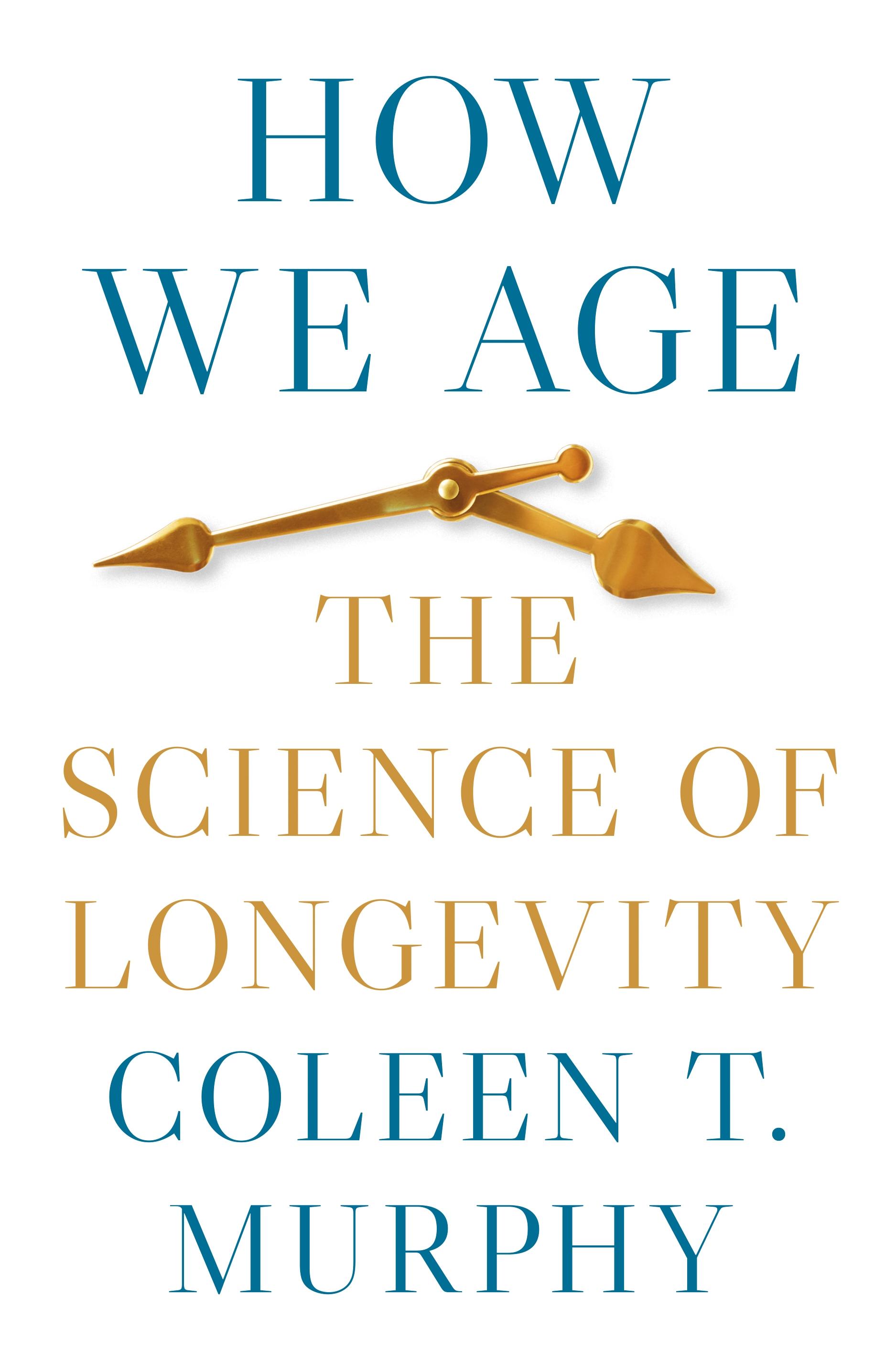
How recent breakthroughs in longevity research offer clues about human aging
All of us would like to live longer, or to slow the debilitating effects of age. In How We Age, Coleen Murphy shows how recent research on longevity and aging may be bringing us closer to this goal. Murphy, a leading scholar of aging, explains that the study of model systems, particularly simple invertebrate animals, combined with breakthroughs in genomic methods, have allowed scientists to probe the molecular mechanisms of longevity and aging. Understanding the fundamental biological rules that govern aging in model systems provides clues about how we might slow human aging, which could lead in turn to new therapeutics and treatments for age-related disease.
Among other vivid examples, Murphy describes research that shows how changing a single gene in the nematode worm C. elegans doubles its lifespan, extending not only the end of life but also the youthful, healthy part of life. Drawing on work in her own lab as well as other recent research, Murphy chronicles the history and current state of the field, explaining longevity’s links to reproduction and mating, sensory and cognitive function, inheritances from our ancestors, and the gut microbiome. Written with clarity and wit, How We Age provides a guide to the science: what we know about aging, how we know what we know, and what we can do with this new knowledge.
Paga fácilmente con tarjeta, Klarna, Apple Pay o Google Pay. ¿No estás contento? Siempre tienes 14 días de garantía de devolución. Lee más en nuestros términos. Si tienes preguntas, escríbenos a hello@memmo.org.
Memmo hace que estudiar sea más fácil, estés donde estés. Aquí tienes tus libros de texto y herramientas de estudio inteligentes en un solo lugar: resúmenes, quizzes, podcasts y flashcards. Y también a Ted, tu compañero de estudio que responde a todo lo que te preguntes. Más de 50 000 estudiantes ya estudian aquí. Está hecho para que aprendas más rápido y te estreses menos.