
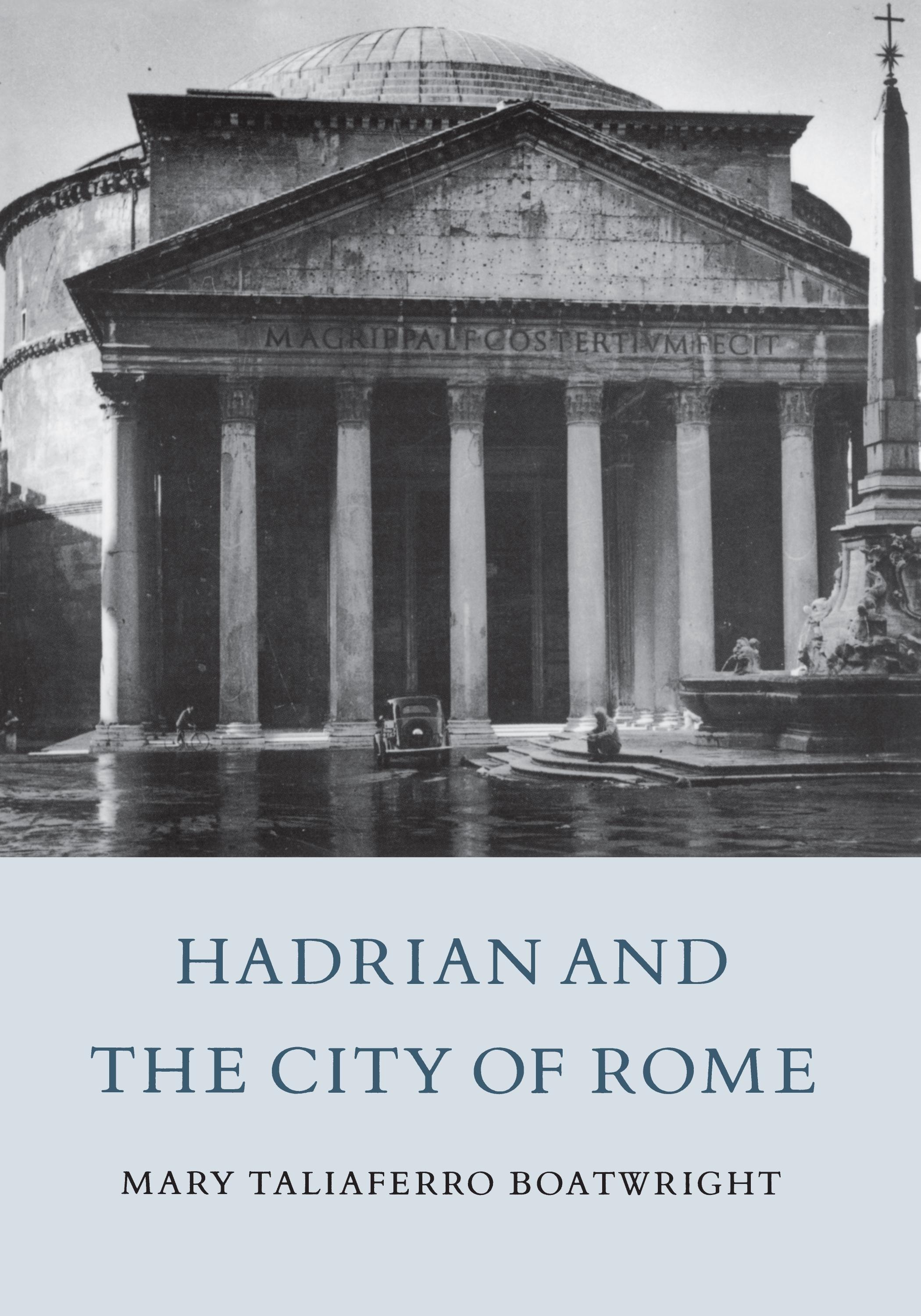
How Hadrian left an enduring mark on the architecture and urban topography of ancient Rome
The Pantheon, the Temple of Venus and Roma, Hadrian’s Mausoleum transformed into Castel Sant’Angelo, and his villa at Tivoli epitomize for many the power and resources of Rome at its zenith. Because other urban changes during Hadrian’s principate (A.D. 117–138) left less visible traces, however, few people realize how powerfully he transformed the capital city not only by erecting these and other monumental edifices but also by renovating buildings, even entire districts, and by reorganizing the building industry and neighborhood life. Mary Taliaferro Boatwright compiles and assesses the varied evidence for Hadrian’s buildings and his administrative changes and evaluates his effect on the capital city in a topographical and historical context. A comprehensive catalogue follows the illustrated text.
Paga fácilmente con tarjeta, Klarna, Apple Pay o Google Pay. ¿No estás contento? Siempre tienes 14 días de garantía de devolución. Lee más en nuestros términos. Si tienes preguntas, escríbenos a hello@memmo.org.
Memmo hace que estudiar sea más fácil, estés donde estés. Aquí tienes tus libros de texto y herramientas de estudio inteligentes en un solo lugar: resúmenes, quizzes, podcasts y flashcards. Y también a Ted, tu compañero de estudio que responde a todo lo que te preguntes. Más de 50 000 estudiantes ya estudian aquí. Está hecho para que aprendas más rápido y te estreses menos.