
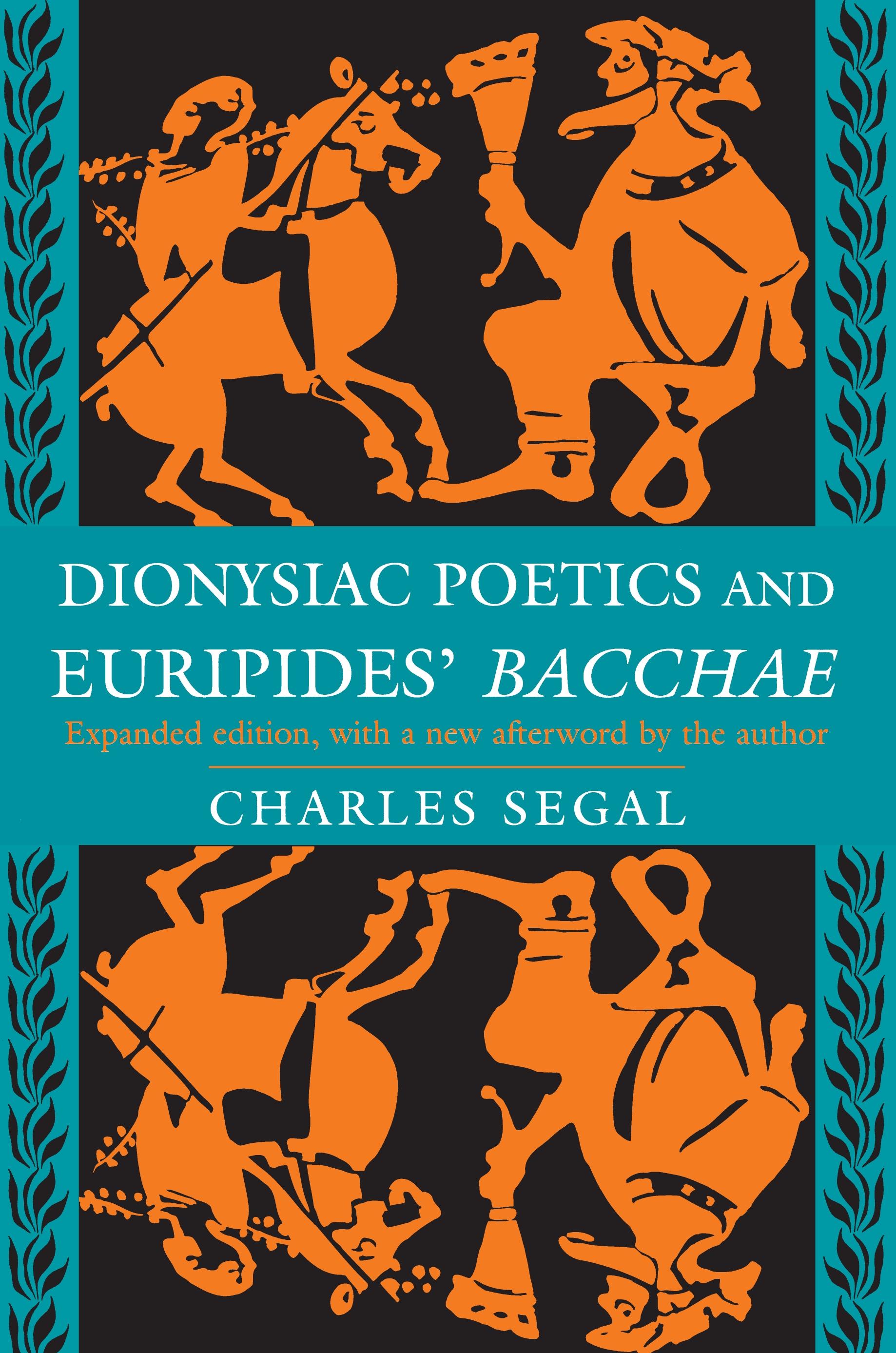
In his play Bacchae, Euripides chooses as his central figure the god who crosses the boundaries among god, man, and beast, between reality and imagination, and between art and madness. In so doing, he explores what in tragedy is able to reach beyond the social, ritual, and historical context from which tragedy itself rises. Charles Segal's reading of Euripides' Bacchae builds gradually from concrete details of cult, setting, and imagery to the work's implications for the nature of myth, language, and theater. This volume presents the argument that the Dionysiac poetics of the play characterize a world view and an art form that can admit logical contradictions and hold them in suspension.
Paga fácilmente con tarjeta, Klarna, Apple Pay o Google Pay. ¿No estás contento? Siempre tienes 14 días de garantía de devolución. Lee más en nuestros términos. Si tienes preguntas, escríbenos a hello@memmo.org.
Memmo hace que estudiar sea más fácil, estés donde estés. Aquí tienes tus libros de texto y herramientas de estudio inteligentes en un solo lugar: resúmenes, quizzes, podcasts y flashcards. Y también a Ted, tu compañero de estudio que responde a todo lo que te preguntes. Más de 50 000 estudiantes ya estudian aquí. Está hecho para que aprendas más rápido y te estreses menos.