
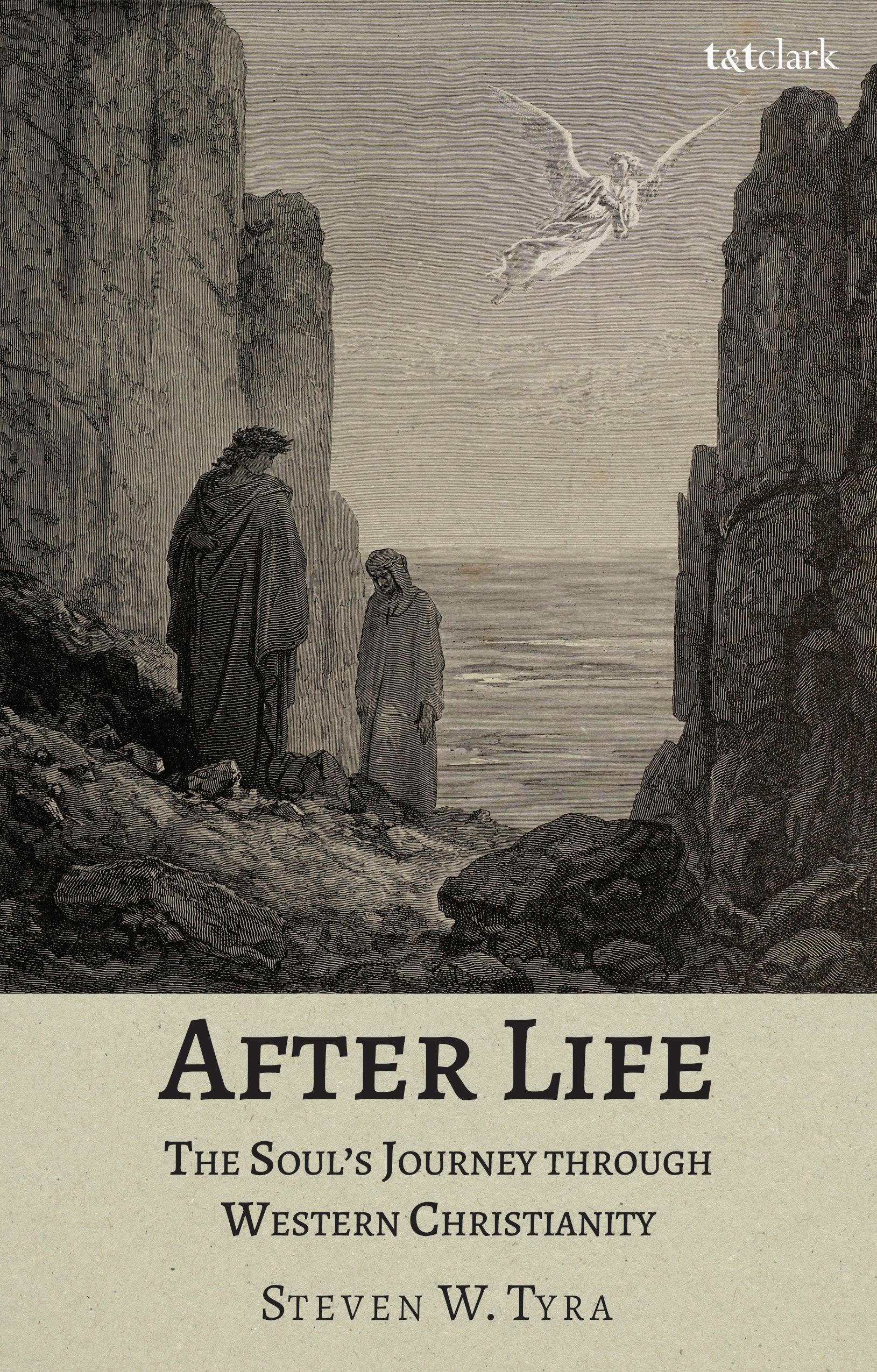
What do we experience when we die? Steven W. Tyra surveys the historical approaches to this question in this comprehensive book that traces the idea of the “afterlife” from the early church to modernity.
Tyra builds upon specialist scholarship to provide an accessible introduction to the variety of afterlives imagined by the Christian tradition. Historically, Christians have painted the period between bodily death and the final resurrection in wildly contrasting hues, from sojourns in a subterranean Elysium to the fires of Purgatory. Along the way they have been forced to grapple with questions posed by our mortality. What precisely is a human being, and does she continue to be one even after her body lies in the dust? What is the relationship of body and soul? Do the dead continue to have knowledge of (or worse, meddle with) the affairs of the living?
The answers given by the Christians of centuries past confound modern intuitions and fail to fall within the expected confessional lines. From John Calvin's so-called defective doctrine of Purgatory to the unorthodox views of C.S. Lewis and J. R. R. Tolkien, Tyra delves into a variety of contexts.
Ultimately, this book will show Protestants of today how to draw upon a rich past; how to reflect on these alternative, and sometimes pernicious, stories about what a human being is and what awaits us after death.
Tyra builds upon specialist scholarship to provide an accessible introduction to the variety of afterlives imagined by the Christian tradition. Historically, Christians have painted the period between bodily death and the final resurrection in wildly contrasting hues, from sojourns in a subterranean Elysium to the fires of Purgatory. Along the way they have been forced to grapple with questions posed by our mortality. What precisely is a human being, and does she continue to be one even after her body lies in the dust? What is the relationship of body and soul? Do the dead continue to have knowledge of (or worse, meddle with) the affairs of the living?
The answers given by the Christians of centuries past confound modern intuitions and fail to fall within the expected confessional lines. From John Calvin's so-called defective doctrine of Purgatory to the unorthodox views of C.S. Lewis and J. R. R. Tolkien, Tyra delves into a variety of contexts.
Ultimately, this book will show Protestants of today how to draw upon a rich past; how to reflect on these alternative, and sometimes pernicious, stories about what a human being is and what awaits us after death.
Páginas: 272
Categoría: Religion & Teologi
e-ISBN: 9780567719577
Peso de envío: 1.2 kg
Envío en: 1-2 días
Paga fácilmente con tarjeta, Klarna, Apple Pay o Google Pay. ¿No estás contento? Siempre tienes 14 días de garantía de devolución. Lee más en nuestros términos. Si tienes preguntas, escríbenos a hello@memmo.org.
Memmo hace que estudiar sea más fácil, estés donde estés. Aquí tienes tus libros de texto y herramientas de estudio inteligentes en un solo lugar: resúmenes, quizzes, podcasts y flashcards. Y también a Ted, tu compañero de estudio que responde a todo lo que te preguntes. Más de 50 000 estudiantes ya estudian aquí. Está hecho para que aprendas más rápido y te estreses menos.