
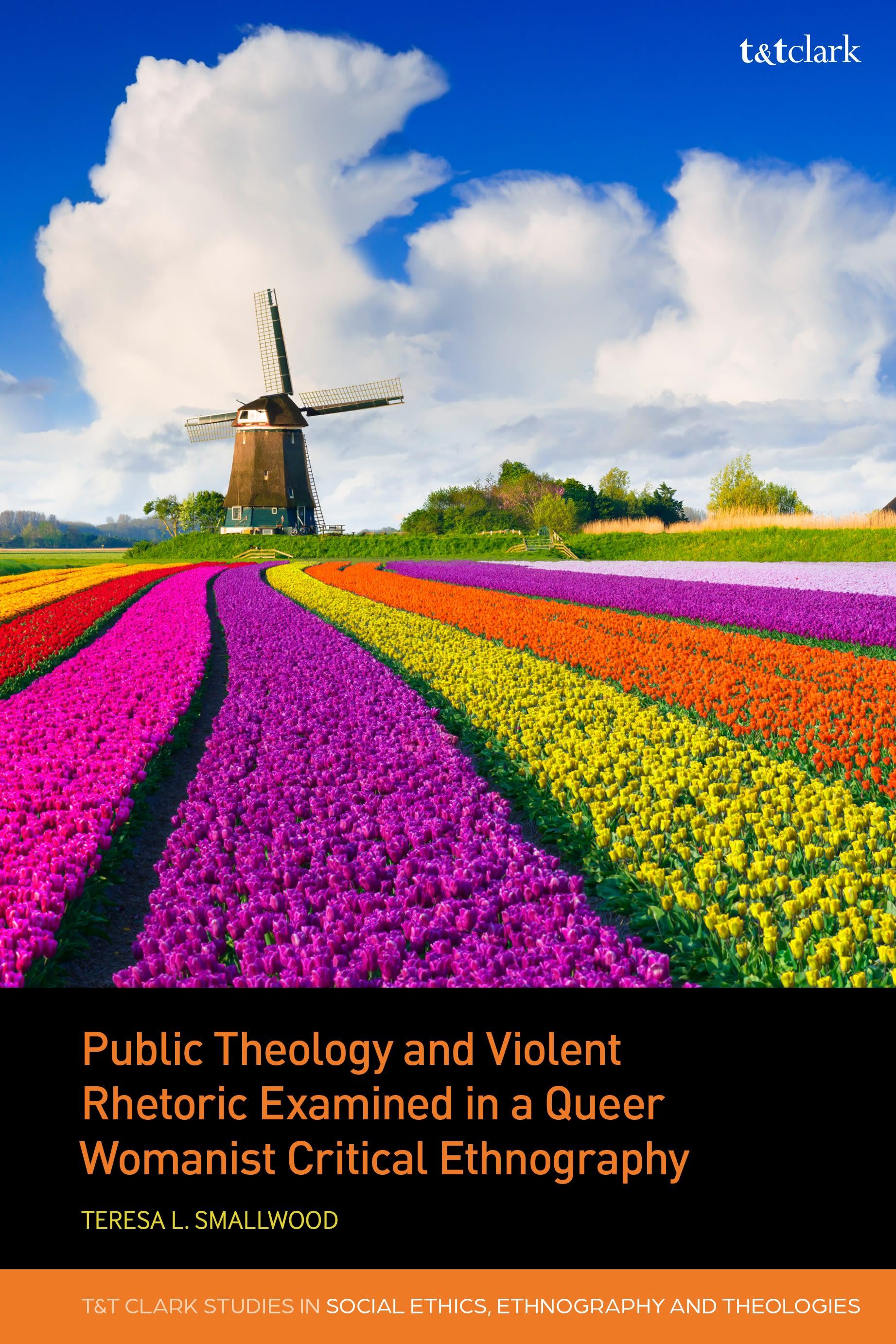
Public theology is an emerging constructive tool. In its inception, public theology was largely contextualized as the 'public church.' However, this thoughtful and empathetic book situates our publics everywhere. Smallwood contends that those who have been harmed by violent rhetoric from speech actors who would 'other' them retain the capacity to have and hold a theology. This different entry point allows for people of faith, those who are and those who are not associated with a particular communion of faith or denominational affiliation to claim public space for theologizing. Here, public theology is about the capacity of those who are 'othered' to affirmatively express their faith and to critically engage with those who would deny and denigrate their ontology.
'Enduring hardship as a good soldier' does not mean exposing oneself to verbal abuse week after week. Many LGBTQIA+ persons are assaulted, degraded, humiliated, and derogated from the pulpits and podiums of places of worship. This abuse caused many to turn away from their faith. Those who withstood protracted verbal abuse turned it inward and began to hate themselves. Through ethnography, Smallwood tackles these tough truths and engages with LGBTQIA+ persons. This book critically examines both the harm done to them and the help that is to come from a paradigmatic shift in care. Smallwood emphasises how spiritual self-assessment, ritual, and indigenous spiritual practices offer a way to wholeness and healing. Drawing from Yoruba epistemology, this work offers a framework for rebirth, renewal, and reclamation.
'Enduring hardship as a good soldier' does not mean exposing oneself to verbal abuse week after week. Many LGBTQIA+ persons are assaulted, degraded, humiliated, and derogated from the pulpits and podiums of places of worship. This abuse caused many to turn away from their faith. Those who withstood protracted verbal abuse turned it inward and began to hate themselves. Through ethnography, Smallwood tackles these tough truths and engages with LGBTQIA+ persons. This book critically examines both the harm done to them and the help that is to come from a paradigmatic shift in care. Smallwood emphasises how spiritual self-assessment, ritual, and indigenous spiritual practices offer a way to wholeness and healing. Drawing from Yoruba epistemology, this work offers a framework for rebirth, renewal, and reclamation.
Páginas: 168
Categoría: Religion & Teologi
e-ISBN: 9780567711250
Peso de envío: 1.2 kg
Envío en: 1-2 días
Paga fácilmente con tarjeta, Klarna, Apple Pay o Google Pay. ¿No estás contento? Siempre tienes 14 días de garantía de devolución. Lee más en nuestros términos. Si tienes preguntas, escríbenos a hello@memmo.org.
Memmo hace que estudiar sea más fácil, estés donde estés. Aquí tienes tus libros de texto y herramientas de estudio inteligentes en un solo lugar: resúmenes, quizzes, podcasts y flashcards. Y también a Ted, tu compañero de estudio que responde a todo lo que te preguntes. Más de 50 000 estudiantes ya estudian aquí. Está hecho para que aprendas más rápido y te estreses menos.