
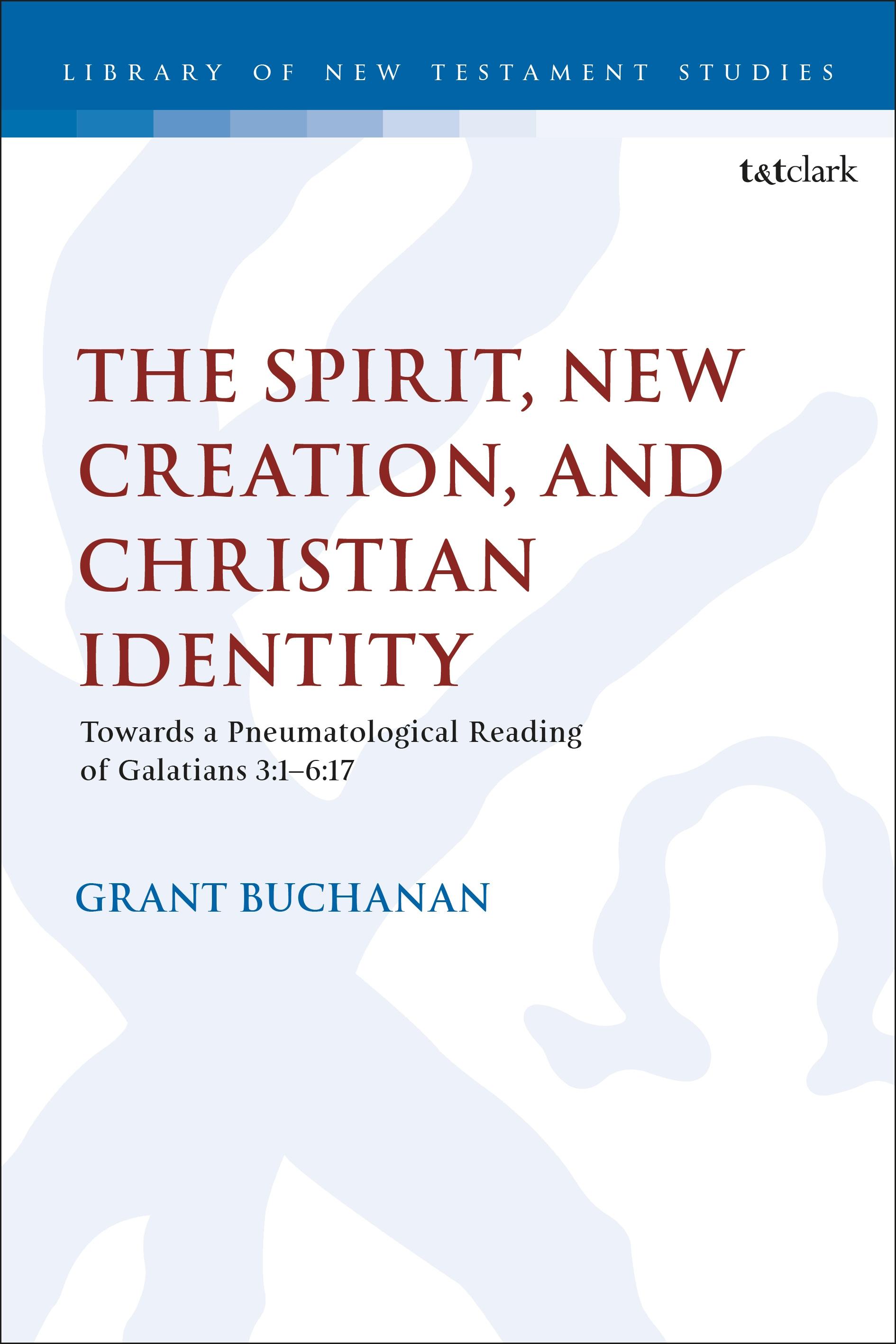
Considering the importance of pneumatological themes for interpreting Paul's argument of Galatians, Grant Buchanan explores how Paul draws from Jewish traditions of creation and the Spirit and presents a fresh cosmogony to the Galatian church. He suggests that Galatians outlines an epistemological shift in how Paul sees past, present, and future reality in light of Christ and the presence of the Spirit in the lives of the believers. The most crucial aspect of this new cosmogony is the centrality of the Spirit in Paul's argument in Galatians 3:1–6:17, with Buchanan's exegesis revealing that the Spirit, the Galatians' identity as children of God and the new creation motif are not merely elements of Paul's argument but intrinsic to it.
Buchanan demonstrates that Paul renders Jewish and Gentile identities no longer valid, instead revealing that God's favour and election is already with them by stating that those who have the promised Spirit are all children of God. He examines Jewish biblical and Second Temple extra-biblical texts that explicitly connect the Spirit to creation themes, including Genesis, Ezekiel, the Dead Sea Scrolls and the Wisdom of Solomon. Taking Galatians 6:11–17 as the body-closing of the letter, the new creation motif directly implies the activity of the Spirit in the creation of Christian identity. Analysing 6:15 from this pneumatological perspective, Buchanan argues that the new creation motif represents a key aspect of Paul's generative cosmogony and pneumatology, indicating a far broader socio-cosmic transformation than previously assumed, and it becomes a key to understanding Paul's argument.
Buchanan demonstrates that Paul renders Jewish and Gentile identities no longer valid, instead revealing that God's favour and election is already with them by stating that those who have the promised Spirit are all children of God. He examines Jewish biblical and Second Temple extra-biblical texts that explicitly connect the Spirit to creation themes, including Genesis, Ezekiel, the Dead Sea Scrolls and the Wisdom of Solomon. Taking Galatians 6:11–17 as the body-closing of the letter, the new creation motif directly implies the activity of the Spirit in the creation of Christian identity. Analysing 6:15 from this pneumatological perspective, Buchanan argues that the new creation motif represents a key aspect of Paul's generative cosmogony and pneumatology, indicating a far broader socio-cosmic transformation than previously assumed, and it becomes a key to understanding Paul's argument.
Paga fácilmente con tarjeta, Klarna, Apple Pay o Google Pay. ¿No estás contento? Siempre tienes 14 días de garantía de devolución. Lee más en nuestros términos. Si tienes preguntas, escríbenos a hello@memmo.org.
Memmo hace que estudiar sea más fácil, estés donde estés. Aquí tienes tus libros de texto y herramientas de estudio inteligentes en un solo lugar: resúmenes, quizzes, podcasts y flashcards. Y también a Ted, tu compañero de estudio que responde a todo lo que te preguntes. Más de 50 000 estudiantes ya estudian aquí. Está hecho para que aprendas más rápido y te estreses menos.