
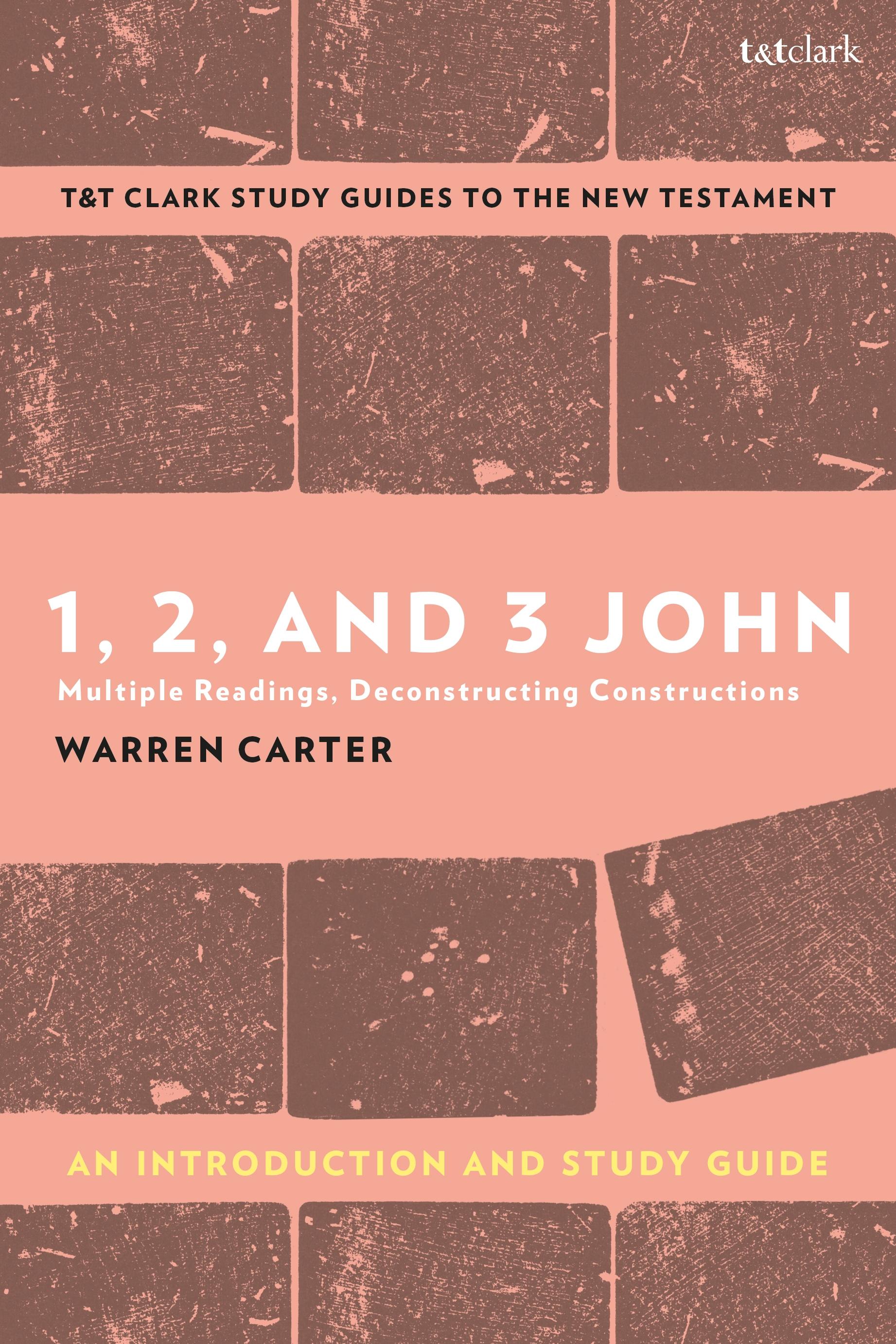
This insightful study engages the debates and interpretations of the brief and somewhat elusive writings known in the Christian canon as 1, 2, and 3 John. Chapter 1 identifies six unknowns about the origins of the three writings: authors, relationship to John's Gospel, order, date and location of the writings, and their audiences. Chapters 2 and 3 delineate the debate concerning the relationship of these writings to a purported “Johannine tradition” and “Johannine community” in which a schism is claimed to have occurred. An alternative view recognizes that while there are some connections with John's Gospel, it is more compelling to see the writings as independent rather than derivative, as internally not externally directed, as pastoral not polemical, and as schism-free.
Chapters 4-7 discuss important aspects of 1 John. Chapter 4 argues that its structure or organization is based on rhetorical and conceptual links among the writing's small units. Chapter 5 reads 1 John as a pastoral “in-house” writing, rather than a polemical attack on opponents. Chapter 6 identifies the genre of I John as not a letter or sermon but an epideictic speech that seeks to strengthen the identity, commitments, and practices of its believing recipients. Chapter 7 outlines theological understandings that underpin the writing's pastoral work.
Chapters 8 and 9 focus on 2 and 3 John as writings that provide two different approaches to itinerant teachers. The narrative fiction in 2 John presents the elder's warning and skepticism about itinerant teachers whereas the author of 3 John, by contrast, advocates reception and welcome for itinerant teachers.
Chapters 4-7 discuss important aspects of 1 John. Chapter 4 argues that its structure or organization is based on rhetorical and conceptual links among the writing's small units. Chapter 5 reads 1 John as a pastoral “in-house” writing, rather than a polemical attack on opponents. Chapter 6 identifies the genre of I John as not a letter or sermon but an epideictic speech that seeks to strengthen the identity, commitments, and practices of its believing recipients. Chapter 7 outlines theological understandings that underpin the writing's pastoral work.
Chapters 8 and 9 focus on 2 and 3 John as writings that provide two different approaches to itinerant teachers. The narrative fiction in 2 John presents the elder's warning and skepticism about itinerant teachers whereas the author of 3 John, by contrast, advocates reception and welcome for itinerant teachers.
Páginas: 144
Categoría: Religion & Teologi
e-ISBN: 9780567704238
Peso de envío: 1.2 kg
Envío en: 1-2 días
Paga fácilmente con tarjeta, Klarna, Apple Pay o Google Pay. ¿No estás contento? Siempre tienes 14 días de garantía de devolución. Lee más en nuestros términos. Si tienes preguntas, escríbenos a hello@memmo.org.
Memmo hace que estudiar sea más fácil, estés donde estés. Aquí tienes tus libros de texto y herramientas de estudio inteligentes en un solo lugar: resúmenes, quizzes, podcasts y flashcards. Y también a Ted, tu compañero de estudio que responde a todo lo que te preguntes. Más de 50 000 estudiantes ya estudian aquí. Está hecho para que aprendas más rápido y te estreses menos.