
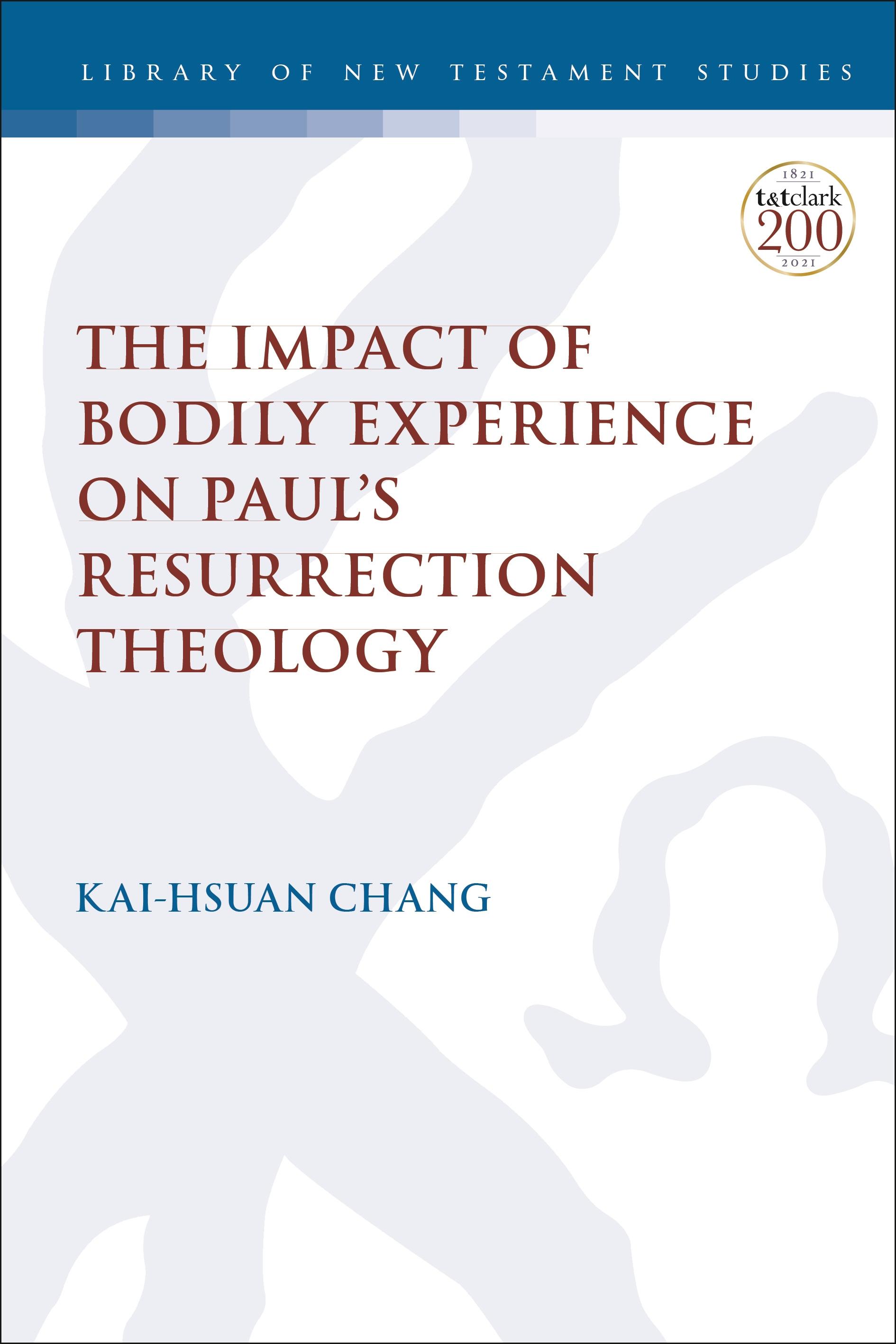
Kai-Hsuan Chang engages with the longstanding scholarly debate concerning the development of Paul's resurrection theology, by investigating the correlation between his bodily experiences and his diverse articulations about resurrection. Drawing on insights from cognitive linguistics, Chang considers Paul's ideas about resurrection as fundamentally grounded in recurrent patterns of bodily experience, arguing that such experience of some religious activities in Paul's time-death rites, spirit possession, and baptism-contributed to the formation and development of his resurrection theology.
Chang demonstrates that developments in Paul's ideas about “bodily transformation at resurrection” - reflected in 1 Corinthians 15 - resulted from a change in the experiential patterns on which his new idea is constructed, rather than “transformation during heavenly ascent” as seen in Jewish traditions of resurrection. He thus applies cognitive linguistic tools to two considerations; first, whether Paul had contextual reasons to generate his innovation in 1 Corinthians 15, and second, whether Paul's innovation recurred or had continual effects in Christian groups. In so doing, Chang shows that Paul's innovation directly addressed a contextual issue of death rites in Corinth and exerted a continuing effect on Paul's later ideas of transformation, spirit possession, and baptism.
Chang demonstrates that developments in Paul's ideas about “bodily transformation at resurrection” - reflected in 1 Corinthians 15 - resulted from a change in the experiential patterns on which his new idea is constructed, rather than “transformation during heavenly ascent” as seen in Jewish traditions of resurrection. He thus applies cognitive linguistic tools to two considerations; first, whether Paul had contextual reasons to generate his innovation in 1 Corinthians 15, and second, whether Paul's innovation recurred or had continual effects in Christian groups. In so doing, Chang shows that Paul's innovation directly addressed a contextual issue of death rites in Corinth and exerted a continuing effect on Paul's later ideas of transformation, spirit possession, and baptism.
Paga fácilmente con tarjeta, Klarna, Apple Pay o Google Pay. ¿No estás contento? Siempre tienes 14 días de garantía de devolución. Lee más en nuestros términos. Si tienes preguntas, escríbenos a hello@memmo.org.
Memmo hace que estudiar sea más fácil, estés donde estés. Aquí tienes tus libros de texto y herramientas de estudio inteligentes en un solo lugar: resúmenes, quizzes, podcasts y flashcards. Y también a Ted, tu compañero de estudio que responde a todo lo que te preguntes. Más de 50 000 estudiantes ya estudian aquí. Está hecho para que aprendas más rápido y te estreses menos.