
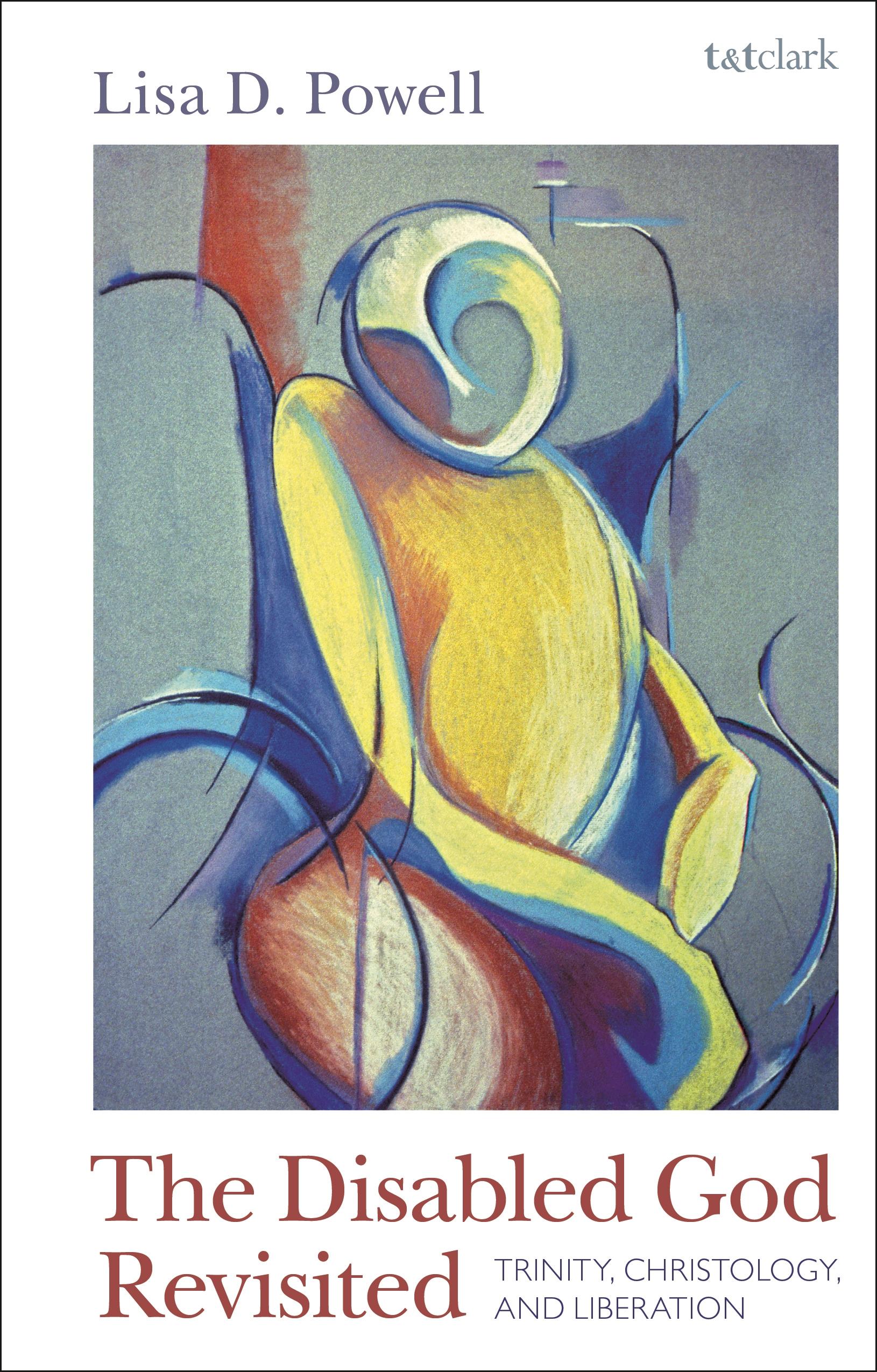
Lisa D. Powell strengthens and amplifies the claim that God is disabled, made by Nancy Eiesland in her ground breaking book The Disabled God (1994). She offers an alternative understanding of the doctrine of God and the Trinity, resulting in a God who is not autonomous and utterly independent. According to this view, God's triune identity is established in God's decision for covenant, and thus creation is a requirement for the fulfillment of God's nature - not only is the Son always anticipating full embodiment and human nature, but more specifically is eternally anticipating an impaired body. Powell argues that God is not only interdependent within the immanent Trinity, but God experiences real dependency, risk and vulnerability from God's “original” self-determination.
Powell revisits Eiesland's claim about Christ's resurrected body and her conclusions about eschatological embodiment, arguing that it is the able-body that does not persist eschatologically, but all humanity journeys toward ever more transparency, vulnerability and interdependency as the Body of Christ.
Powell revisits Eiesland's claim about Christ's resurrected body and her conclusions about eschatological embodiment, arguing that it is the able-body that does not persist eschatologically, but all humanity journeys toward ever more transparency, vulnerability and interdependency as the Body of Christ.
Paga fácilmente con tarjeta, Klarna, Apple Pay o Google Pay. ¿No estás contento? Siempre tienes 14 días de garantía de devolución. Lee más en nuestros términos. Si tienes preguntas, escríbenos a hello@memmo.org.
Memmo hace que estudiar sea más fácil, estés donde estés. Aquí tienes tus libros de texto y herramientas de estudio inteligentes en un solo lugar: resúmenes, quizzes, podcasts y flashcards. Y también a Ted, tu compañero de estudio que responde a todo lo que te preguntes. Más de 50 000 estudiantes ya estudian aquí. Está hecho para que aprendas más rápido y te estreses menos.