
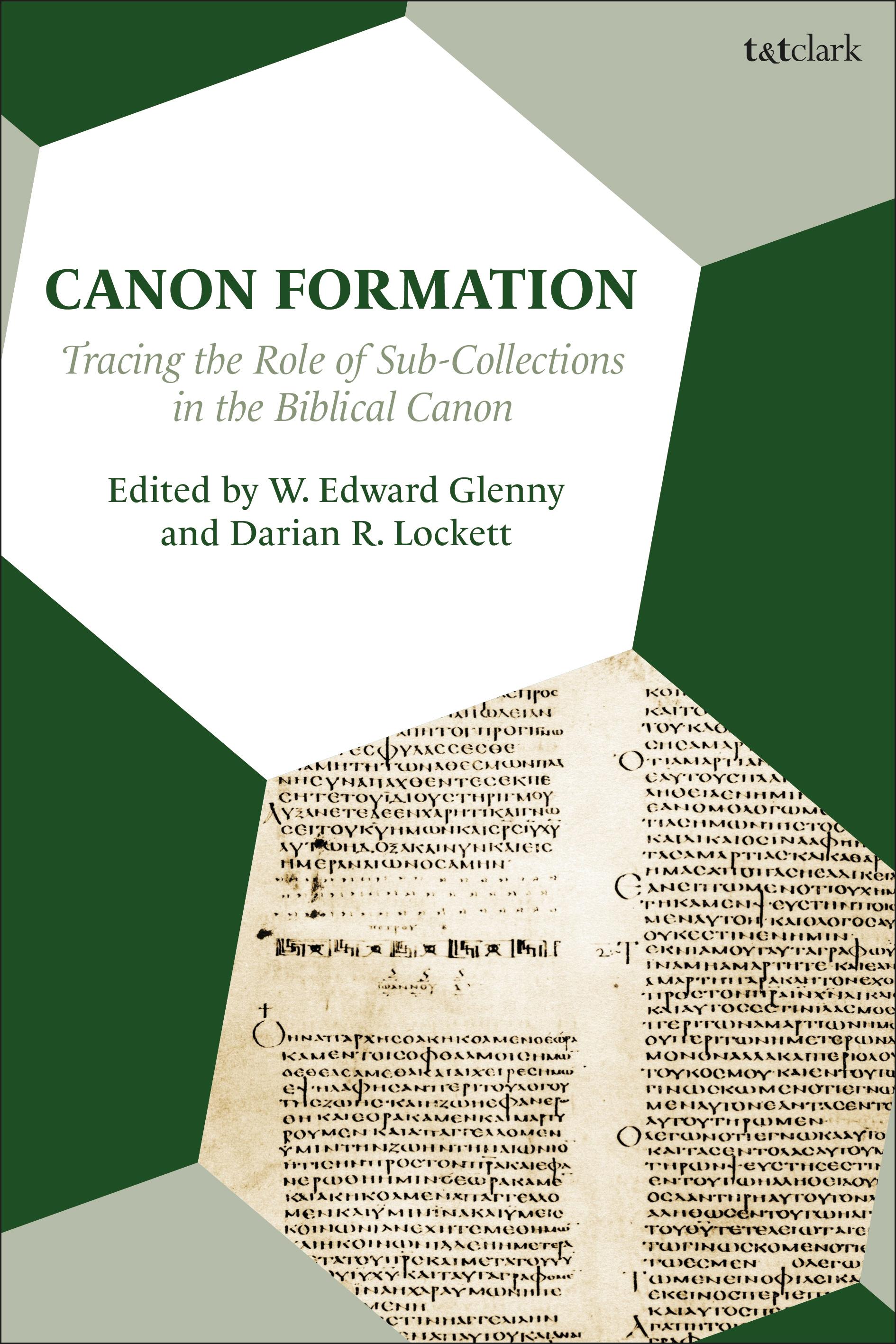
Contributors to this volume examine the various collections of canonical sub-units in the canon, considering the state of the question regarding each particular collection. The chapters introduce the issues involved in sub-collections being accepted in the canon, summarize the historical evidence of the acceptance of these collections, and discuss the compositional evidence of “canonical consciousness” in the various collections. The contributors consider paratextual evidence, for example, the arrangement of the books in various manuscripts, the titles of the books, and also include evidence such as the presence of catchwords, framing devices, and themes.
The book begins with a consideration of the two overarching collections – the Old and New Testaments. Next, several sub-collections within the Hebrew Bible (OT) are considered, including the Torah, Prophets, the Megilloth, the Twelve (both in their Masoretic Text and Septuagint forms), and the Psalter. In addition, sub-collections in the New Testament include the four-fold Gospel, the Pauline Collection (usually with Hebrews in the early manuscripts), the function of Acts within the New Testament, the Praxapostolos (Acts along with the Catholic Epistles), and the function of Revelation as the end of the canon.
The book begins with a consideration of the two overarching collections – the Old and New Testaments. Next, several sub-collections within the Hebrew Bible (OT) are considered, including the Torah, Prophets, the Megilloth, the Twelve (both in their Masoretic Text and Septuagint forms), and the Psalter. In addition, sub-collections in the New Testament include the four-fold Gospel, the Pauline Collection (usually with Hebrews in the early manuscripts), the function of Acts within the New Testament, the Praxapostolos (Acts along with the Catholic Epistles), and the function of Revelation as the end of the canon.
Paga fácilmente con tarjeta, Klarna, Apple Pay o Google Pay. ¿No estás contento? Siempre tienes 14 días de garantía de devolución. Lee más en nuestros términos. Si tienes preguntas, escríbenos a hello@memmo.org.
Memmo hace que estudiar sea más fácil, estés donde estés. Aquí tienes tus libros de texto y herramientas de estudio inteligentes en un solo lugar: resúmenes, quizzes, podcasts y flashcards. Y también a Ted, tu compañero de estudio que responde a todo lo que te preguntes. Más de 50 000 estudiantes ya estudian aquí. Está hecho para que aprendas más rápido y te estreses menos.