
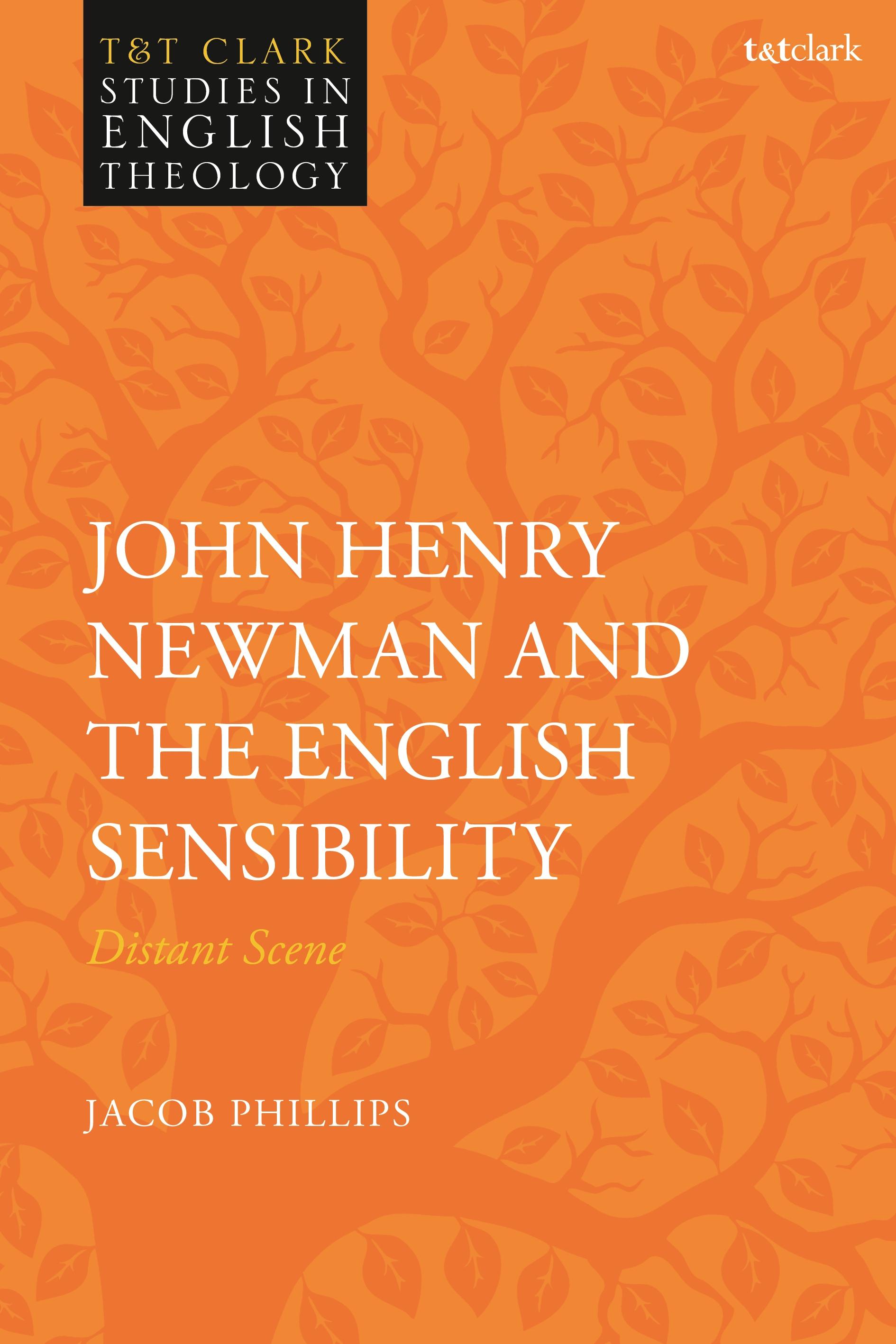
Asides about John Henry Newman being either particularly English or particularly un-English are common. John Henry Newman and the English Sensibility scrutinises Newman's theological writings to establish how his theology can be considered distinctively English or un-English at the different stages of its development.
In his Tractarian period, Newman's theology is shown to be profoundly characterised by common 19th-century tropes of a perceived English sensibility, namely an instinct for compromise, an affection for reserve and a markedly empirical orientation to life. In the period following Newman's conversion to Catholicism in 1845, however, his theology turns against the Englishness of his earlier years as he critiques of the many theological dangers of a self-confident cultural sensibility. In his mature writings, nonetheless, Newman re-incorporates certain elements of his earlier Englishness with a Catholic grounding, yet also maintains an antipathy to certain targets of his post-conversion polemics.
Phillips finds that the English instinct for compromise is not incorporated into Newman's mature theology, which remains unabashedly one-sided in its understanding of God and the Catholic Church, taking precedence over elements of a cultural sensibility pertaining ultimately to the sphere of the natural. The affection for reserve, however, is shown to be capable of gracious elevation when reconfigured on a Catholic grounding. Most importantly, the profoundly empirical orientation to life which was considered typical of Englishness in Newman's day emerges as something exhibiting what Newman might consider a 'antecedent affinity' to Catholic theology.
This book thus concludes by offering a view of the English Catholic sensibility as characterised by a mindset of careful reserve toward knowledge and words about God, arising from a marked concern for the living, embodied present as the site of God's transformative action in the twists and turns of human life.
In his Tractarian period, Newman's theology is shown to be profoundly characterised by common 19th-century tropes of a perceived English sensibility, namely an instinct for compromise, an affection for reserve and a markedly empirical orientation to life. In the period following Newman's conversion to Catholicism in 1845, however, his theology turns against the Englishness of his earlier years as he critiques of the many theological dangers of a self-confident cultural sensibility. In his mature writings, nonetheless, Newman re-incorporates certain elements of his earlier Englishness with a Catholic grounding, yet also maintains an antipathy to certain targets of his post-conversion polemics.
Phillips finds that the English instinct for compromise is not incorporated into Newman's mature theology, which remains unabashedly one-sided in its understanding of God and the Catholic Church, taking precedence over elements of a cultural sensibility pertaining ultimately to the sphere of the natural. The affection for reserve, however, is shown to be capable of gracious elevation when reconfigured on a Catholic grounding. Most importantly, the profoundly empirical orientation to life which was considered typical of Englishness in Newman's day emerges as something exhibiting what Newman might consider a 'antecedent affinity' to Catholic theology.
This book thus concludes by offering a view of the English Catholic sensibility as characterised by a mindset of careful reserve toward knowledge and words about God, arising from a marked concern for the living, embodied present as the site of God's transformative action in the twists and turns of human life.
Paga fácilmente con tarjeta, Klarna, Apple Pay o Google Pay. ¿No estás contento? Siempre tienes 14 días de garantía de devolución. Lee más en nuestros términos. Si tienes preguntas, escríbenos a hello@memmo.org.
Memmo hace que estudiar sea más fácil, estés donde estés. Aquí tienes tus libros de texto y herramientas de estudio inteligentes en un solo lugar: resúmenes, quizzes, podcasts y flashcards. Y también a Ted, tu compañero de estudio que responde a todo lo que te preguntes. Más de 50 000 estudiantes ya estudian aquí. Está hecho para que aprendas más rápido y te estreses menos.