
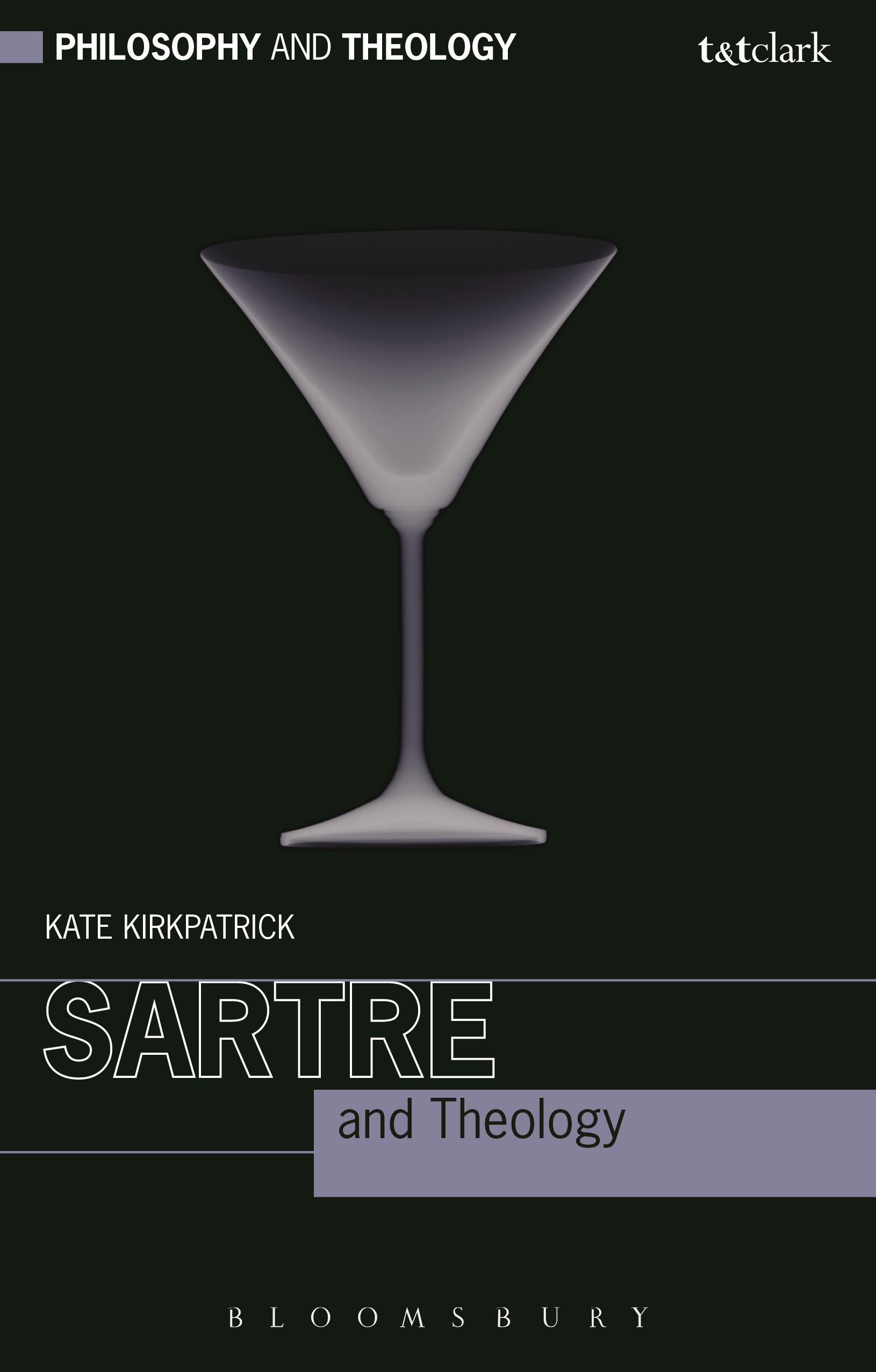
Jean-Paul Sartre was one of the twentieth century's most prominent atheists. But his philosophy was informed by theological writers and themes in ways that have not previously been acknowledged. In Sartre and Theology, Kirkpatrick examines Sartre's philosophical formation and rarely discussed early work, demonstrating how, and which, theology shaped Sartre's thinking. She also shows that Sartre's philosophy - especially Being and Nothingness and Existentialism is A Humanism - contributed to several prominent twentieth-century theologies, examining Catholic, Protestant, Orthodox, and Liberation theologians rebuttals and appropriations of Sartre.
For philosophers, this work opens up an unmined vein of influence on Sartre's work which illuminates his conceptual divergences from the German phenomenological tradition. And for theologians, it offers insights into a theologically informed atheism which provoked responses from some of the twentieth-century's greatest theologians - an atheism from which we can still learn much today.
For philosophers, this work opens up an unmined vein of influence on Sartre's work which illuminates his conceptual divergences from the German phenomenological tradition. And for theologians, it offers insights into a theologically informed atheism which provoked responses from some of the twentieth-century's greatest theologians - an atheism from which we can still learn much today.
Paga fácilmente con tarjeta, Klarna, Apple Pay o Google Pay. ¿No estás contento? Siempre tienes 14 días de garantía de devolución. Lee más en nuestros términos. Si tienes preguntas, escríbenos a hello@memmo.org.
Memmo hace que estudiar sea más fácil, estés donde estés. Aquí tienes tus libros de texto y herramientas de estudio inteligentes en un solo lugar: resúmenes, quizzes, podcasts y flashcards. Y también a Ted, tu compañero de estudio que responde a todo lo que te preguntes. Más de 50 000 estudiantes ya estudian aquí. Está hecho para que aprendas más rápido y te estreses menos.