
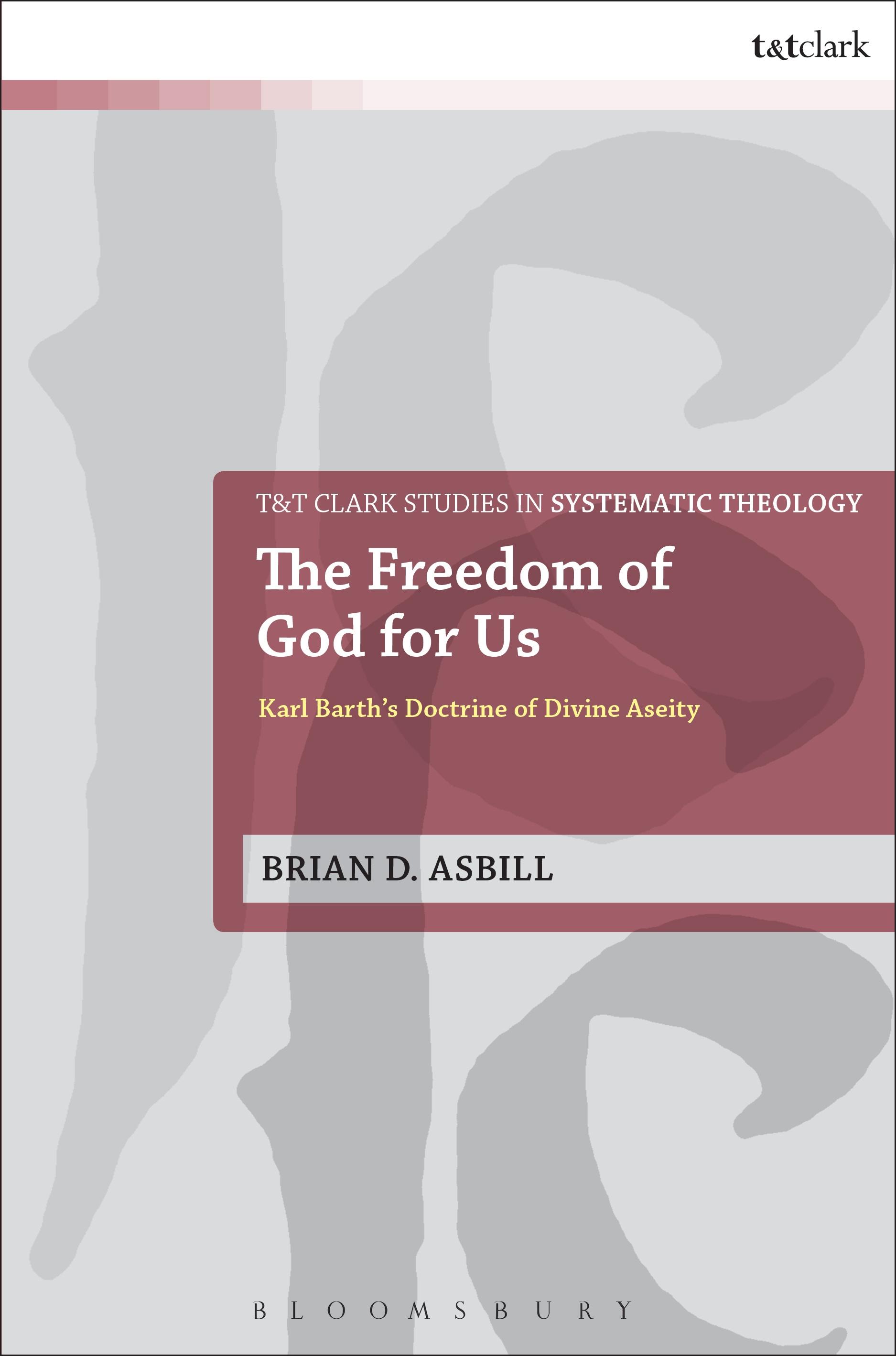
This volume provides an analysis of divine aseity in Karl Barth's thought and appreciates the vital role that this doctrine can play in contemporary theology. Brian D. Asbill begins by setting the general theological context, first through a broad sketch of the development of Barth's understanding of the relationship between the life of God pro nobis (pronobeity) and a se (aseity), and secondly through the examination of the basic theological convictions that guide his approach to the divine being in Church Dogmatics II/1. The second section, 'The Love and Freedom of God', turns to the dialectical pairings which guide Barth's accounts of the divine reality in his earliest dogmatic cycle (The Göttingen Dogmatics §§16-7) as well as in his most mature treatment (Church Dogmatics §§28-31). Particular attention is given to how these themes arise from revelation and relate to one another. In the final section, 'The Aseity of God', Asbill identifies this doctrine's basic features and primary functions. Divine aseity is characterized as the self-demonstration and self-movement of God's life, a trinitarian and entirely unique reality, a primarily positive and dynamic concept, and the manner and readiness of God's love for creatures. Divine aseity is said to indicate God's lordship in the act of self-binding, God's uniqueness in the act of self-revelation, and God's sufficiency in the act of self-giving.
Paga fácilmente con tarjeta, Klarna, Apple Pay o Google Pay. ¿No estás contento? Siempre tienes 14 días de garantía de devolución. Lee más en nuestros términos. Si tienes preguntas, escríbenos a hello@memmo.org.
Memmo hace que estudiar sea más fácil, estés donde estés. Aquí tienes tus libros de texto y herramientas de estudio inteligentes en un solo lugar: resúmenes, quizzes, podcasts y flashcards. Y también a Ted, tu compañero de estudio que responde a todo lo que te preguntes. Más de 50 000 estudiantes ya estudian aquí. Está hecho para que aprendas más rápido y te estreses menos.