
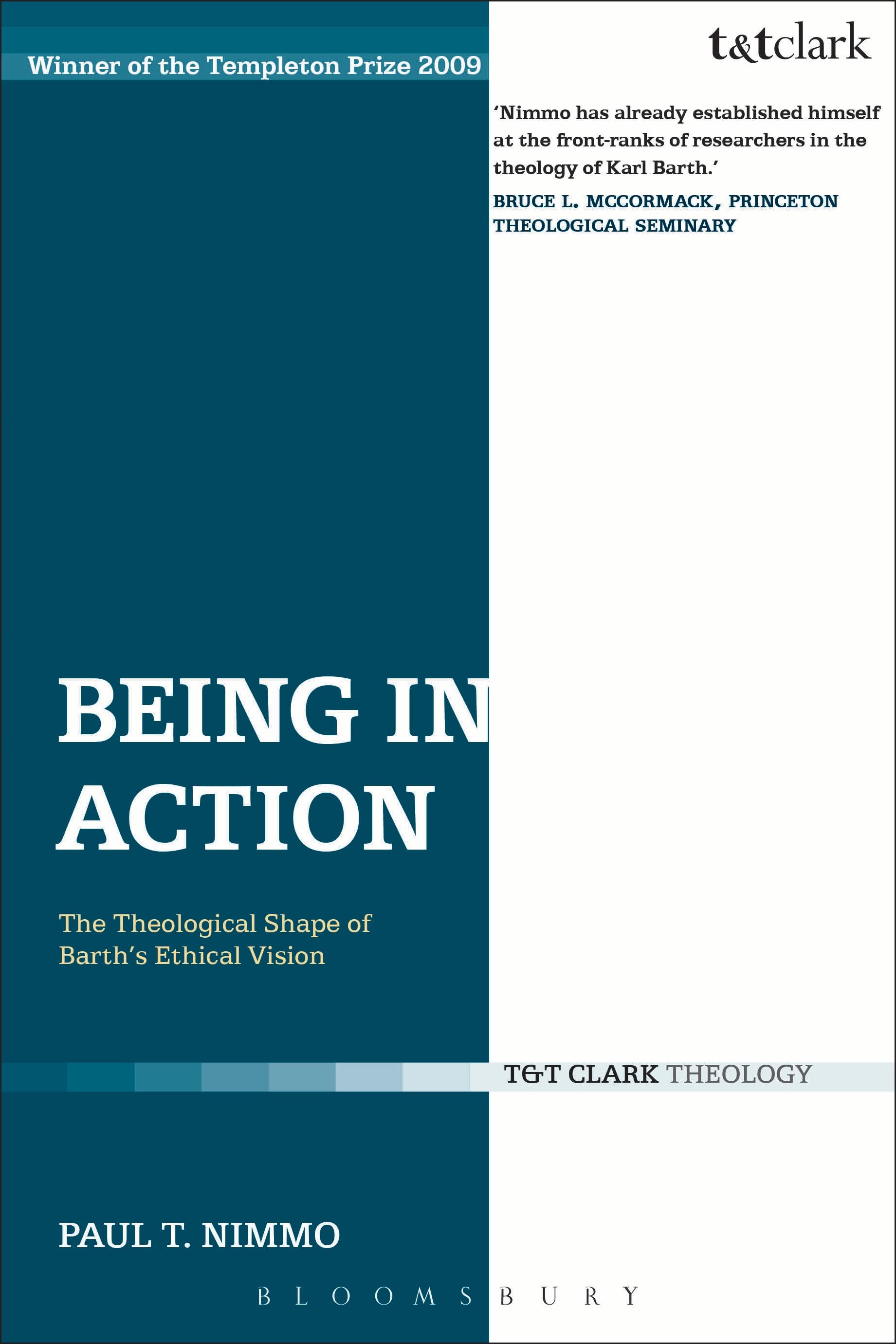
This book investigates the way in which the 'actualistic ontology' - i.e., the fact that God and human agents are beings-in-act in a covenant relationship - that underlies the Church Dogmatics of Karl Barth affects his conception of ethical agency. It analyses this effect along three paths of inquiry: knowing what is right (the noetic dimension), doing what is right (the ontic dimension), and achieving what is right (the telic dimension). The first section of the book explores the discipline of theological ethics as Barth construes it, both in its theoretical status and in its actual practice. In the second section, the ontological import of ethical agency for Barth is considered in relation to the divine action and the divine command. The final section of the book examines the teleological purpose envisaged in this theological ethics in terms of participation, witness, and glorification.
At each stage of the book, the strong interconnectedness of theological ethics and actualistic ontology in the Church Dogmatics is drawn out. The resultant appreciation of the actualistic dimension which underlies the theological ethics of Karl Barth feeds into a fruitful engagement with a variety of critiques of Barth's conception of ethical agency. It is demonstrated that resources can be found within this actualistic ontology to answer some of the diverse criticisms, and that attempts to revise Barth's theological ethics at the margins would have catastrophic and irreversible consequences for his whole theological project.
At each stage of the book, the strong interconnectedness of theological ethics and actualistic ontology in the Church Dogmatics is drawn out. The resultant appreciation of the actualistic dimension which underlies the theological ethics of Karl Barth feeds into a fruitful engagement with a variety of critiques of Barth's conception of ethical agency. It is demonstrated that resources can be found within this actualistic ontology to answer some of the diverse criticisms, and that attempts to revise Barth's theological ethics at the margins would have catastrophic and irreversible consequences for his whole theological project.
Paga fácilmente con tarjeta, Klarna, Apple Pay o Google Pay. ¿No estás contento? Siempre tienes 14 días de garantía de devolución. Lee más en nuestros términos. Si tienes preguntas, escríbenos a hello@memmo.org.
Memmo hace que estudiar sea más fácil, estés donde estés. Aquí tienes tus libros de texto y herramientas de estudio inteligentes en un solo lugar: resúmenes, quizzes, podcasts y flashcards. Y también a Ted, tu compañero de estudio que responde a todo lo que te preguntes. Más de 50 000 estudiantes ya estudian aquí. Está hecho para que aprendas más rápido y te estreses menos.