
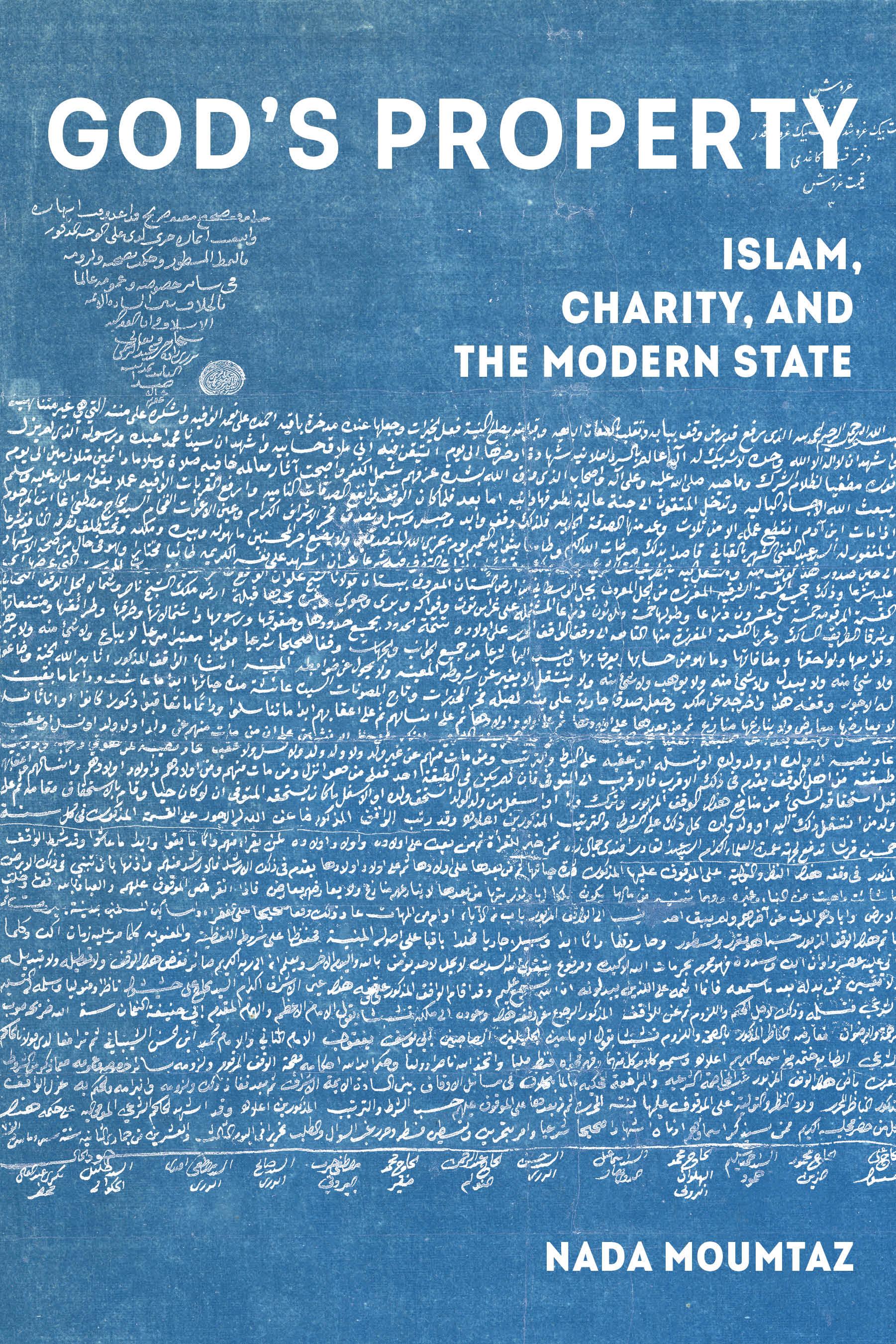
A free open access book is available upon publication. Learn more at www.luminosoa.org.
Up to the twentieth century, Islamic charitable endowments provided the material foundation of the Muslim world. In Lebanon, with the fall of the Ottoman Empire and the imposition of French colonial rule, many of these endowments reverted to private property circulating in the marketplace. In contemporary Beirut, however, charitable endowments have resurfaced as mosques, Islamic centers, and nonprofit organizations. A historical anthropology in dialogue with Islamic law, God's Property demonstrates how these endowments have been drawn into secular logics—no longer the property of God but of the Muslim community—and shaped by the modern state and modern understandings of charity and property. Although these transformations have produced new kinds of loyalties and new ways of being in society, Moumtaz’s ethnography reveals the furtive persistence of endowment practices that perpetuate older ways of thinking of one’s self and one’s responsibilities toward family and state.
Paga fácilmente con tarjeta, Klarna, Apple Pay o Google Pay. ¿No estás contento? Siempre tienes 14 días de garantía de devolución. Lee más en nuestros términos. Si tienes preguntas, escríbenos a hello@memmo.org.
Memmo hace que estudiar sea más fácil, estés donde estés. Aquí tienes tus libros de texto y herramientas de estudio inteligentes en un solo lugar: resúmenes, quizzes, podcasts y flashcards. Y también a Ted, tu compañero de estudio que responde a todo lo que te preguntes. Más de 50 000 estudiantes ya estudian aquí. Está hecho para que aprendas más rápido y te estreses menos.